Nepal Floods Kill 350, Rescue Underway

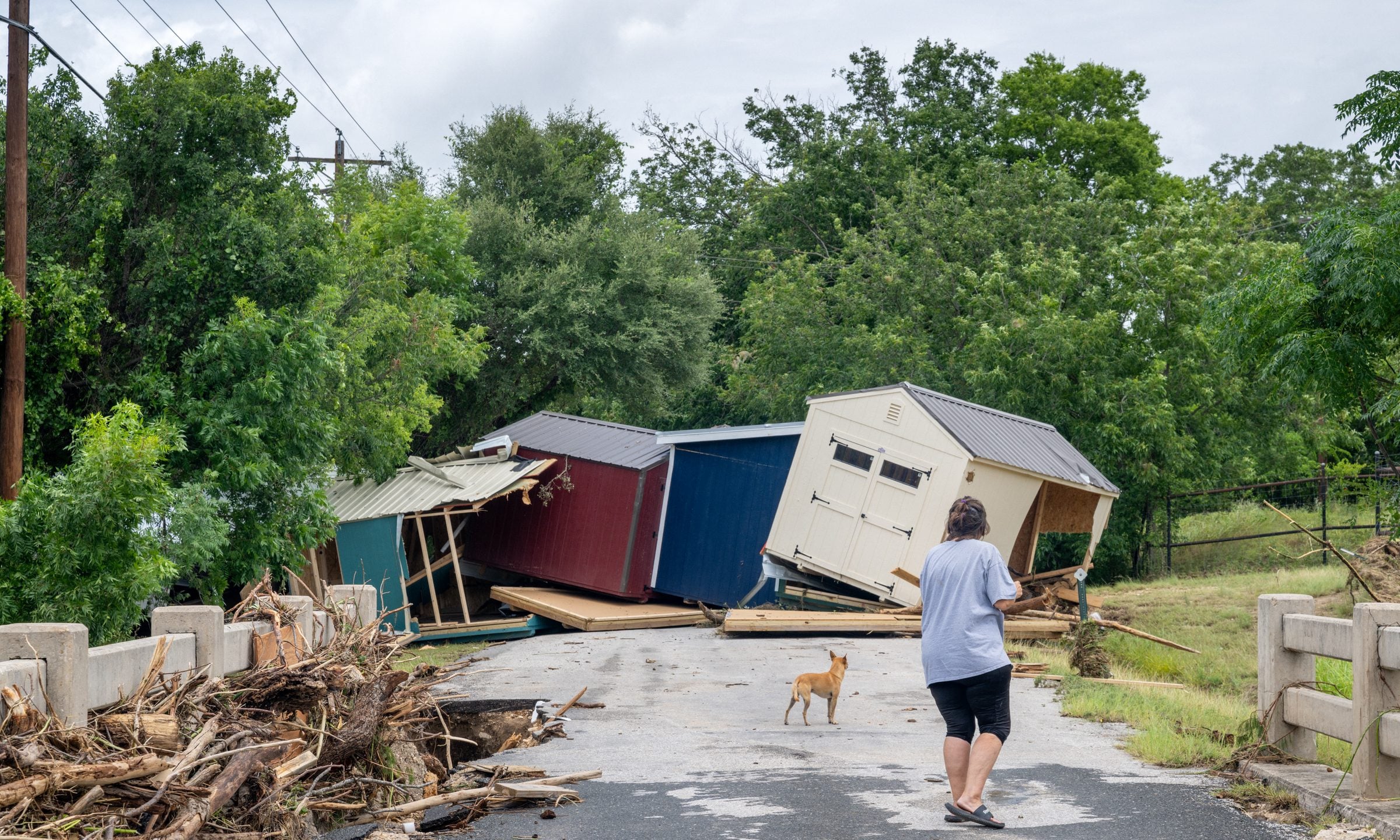
Nepal has endured catastrophic floods from the Bhotekoshi River, leaving hundreds dead and thousands more displaced as rescue teams, police, the army, and helicopters mobilize to deliver emergency aid, recover bodies, and restore essential drinking water amid rising disease risks. Experts attribute the disaster to glacier collapse and debris flows linked to climate change, highlighting an urgent need for robust relief and public health response. Separately, disaster-related prediction markets are expanding, with more than 100 active bets on Kalshi and about 500 on Polymarket; critics say they commodify catastrophe, while supporters argue markets can surface valuable risk information beyond traditional models. Advocates of a rights-centered approach argue that disaster responses must uphold basic rights to health, safety, education, water, and a healthy environment even as debates over accountability unfold. The discussion spans immediate on-the-ground relief, risk forecasting tools, and ethical considerations about how societies talk about and respond to disasters, including the risk of premature blame. A fringe outlet’s piece on mass disaster mortality and citizen journalism reflects the wide spectrum of discourse that accompanies major humanitarian crises.