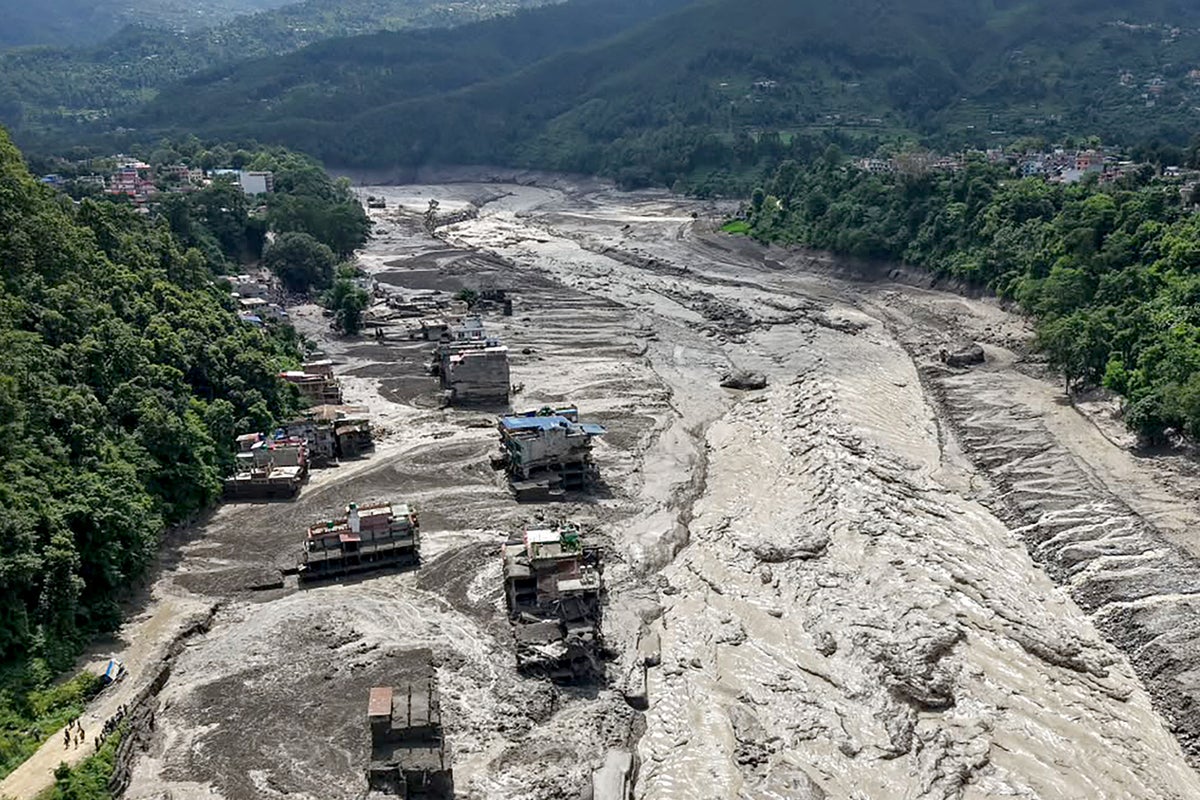
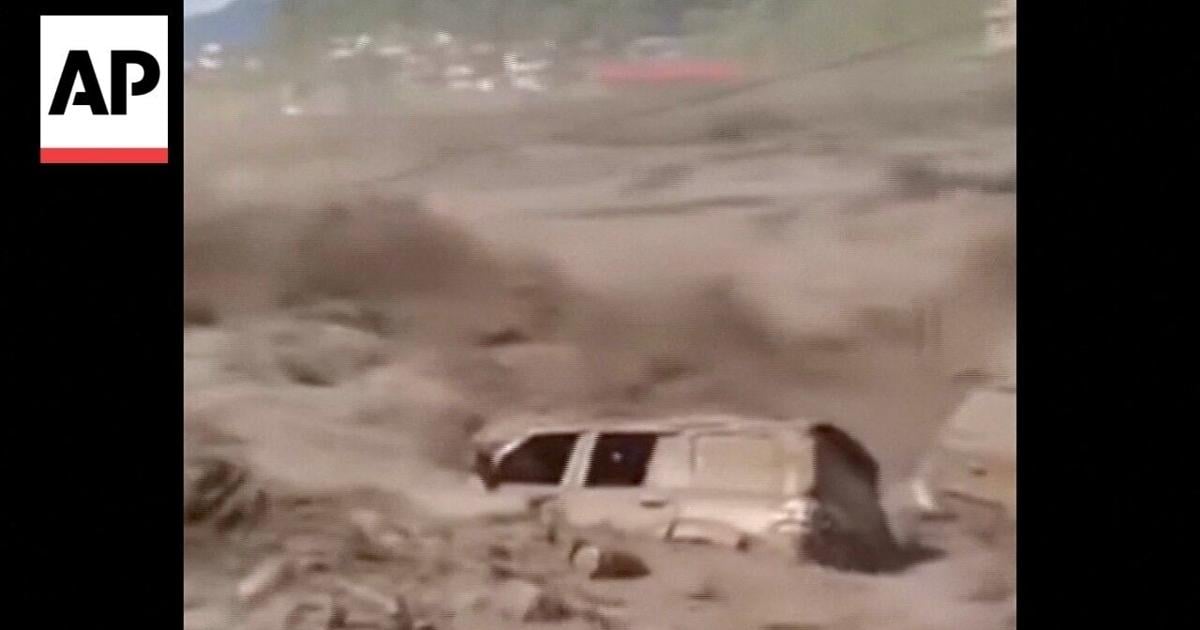
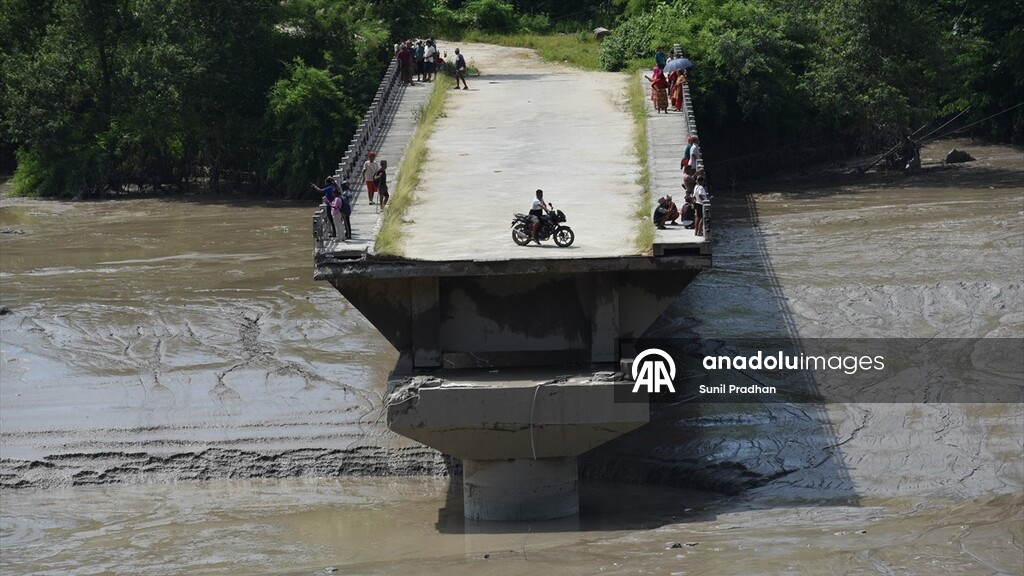
Glacial Collapse Triggers Nepal-India Floods
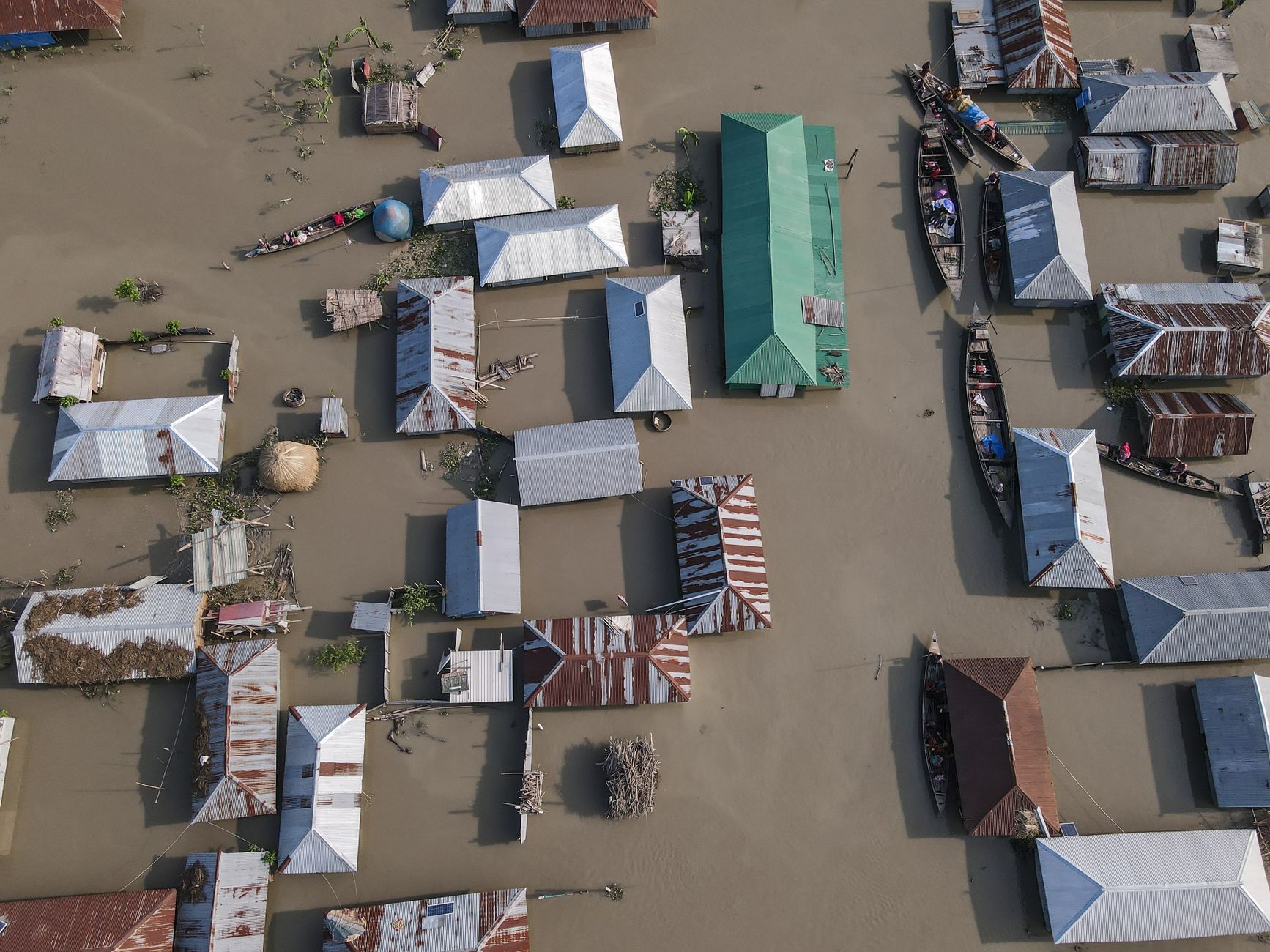
Glacial collapse triggered a massive flash flood and cascading debris flow at the Nepal–Tibet border, affecting the Rasuwa region and extending downstream to districts such as Nuwakot and Dhading as evacuation and rescue efforts continued across Nepal and neighboring Indian states. Authorities report hundreds of deaths (roughly 157–162) with hundreds more missing, including dozens of foreign nationals. Investigations describe the event as a cascading hazard in which an ice and rock avalanche rapidly released water and debris, producing a surge that overwhelmed bridges, roads, and settlements along the Trishuli and Bhote Koshi river systems, with satellite imagery from ISRO’s NRSC supporting the glacial-collapse narrative. The US Geological Survey says the initial seismic signal was due to glacial collapse and debris flow, not an earthquake, though triggering powerful downstream impacts. Government and disaster agencies have issued high-alert warnings for downstream regions in India, with helicopters and security personnel deployed for search-and-rescue operations as infrastructure such as bridges and roads suffered extensive damage. Authorities note ongoing climate-change–related melt dynamics as a factor in the flood’s scale and speed, reflecting a broader pattern of increasing glacial instability in the Hindu Kush–Himalaya region.