Iran-Israel Conflict Persists as US Reassesses Strategy
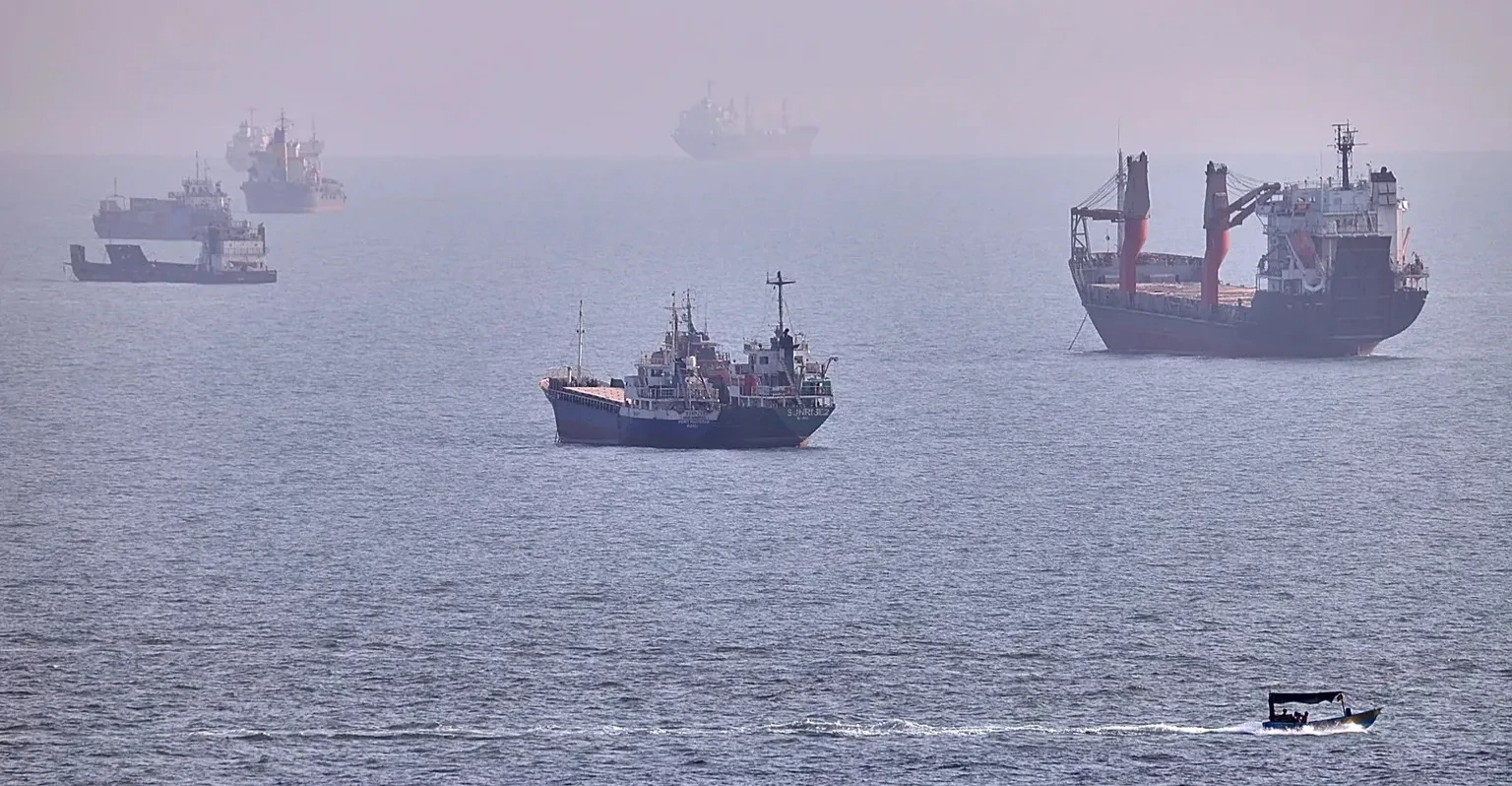
Six months into the US-Israel campaign against Iran, the conflict is described as unfolding around Iran’s leadership consolidation with entrenched generals and clerics, signaling a potentially long confrontation focused on domestic stability. Analyses portray the war as costly for the United States and indicate that attempts to decapitate Iran’s leadership failed to cripple the regime, while Iran maintains control of the Strait of Hormuz and expands regional influence. The narrative shifts from a quick victory to a prolonged struggle, with Americans facing higher fuel prices and policymakers confronting strategic miscalculations. Some voices, including Iranian official Mohsen Rezaei, hint at conditions for negotiation, but diplomacy remains uncertain amid ongoing hostilities and fragile ceasefires. Washington is depicted as facing deteriorating credibility and pivoting toward sanctions and economic pressure as military options wane. Civilians in Iran bear the brunt of the conflict, underscoring the mismatch between stated objectives and outcomes for all parties involved.