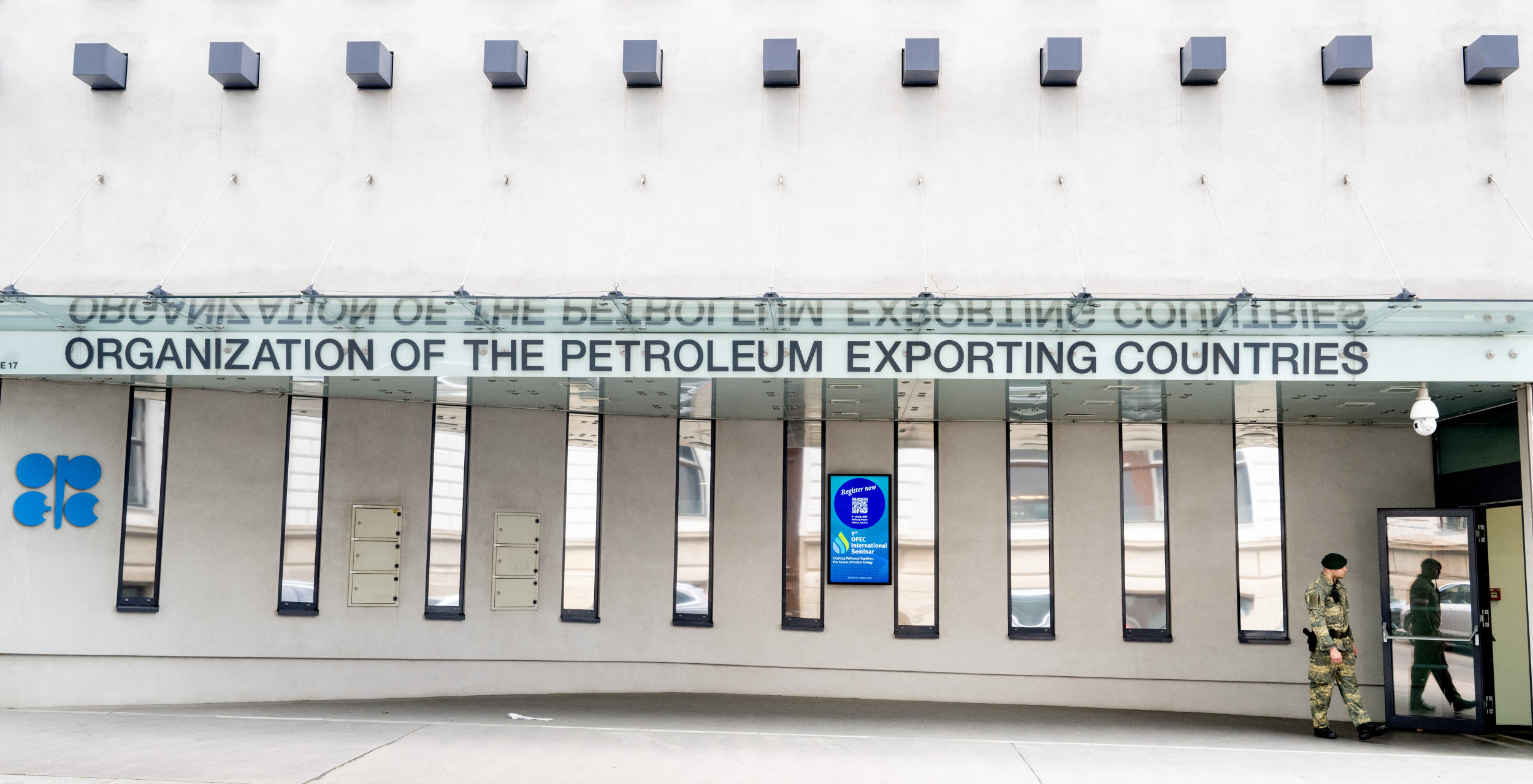
OPEC+ loses oil sway as China gains ground

OPEC+ is losing its grip on the oil market as the Iran war disrupts supply routes and weakens its market share, with July output around 40% of global supply and the core group yielding only about a quarter of world output. The loss is partly due to the UAE’s exit from OPEC in May, and the effective closure of the Strait of Hormuz has constrained the alliance’s ability to quickly raise or cut supply. At the same time, weaker Chinese demand and imports are helping balance markets, shifting power from supply management to demand dynamics in 2026. Analysts say most of OPEC+’s announced production increases since March have not materialized, signaling a broader move from a supply-driven to a demand-driven price regime. OPEC+ traces its origins to OPEC’s creation in 1960 and its expanded framework in 2016, and it maintains that its actions are meant to support market stability rather than target a specific oil price. Historically, OPEC+’s share of global crude output peaked around 50% in the 1970s and has since fallen to roughly 30% by the mid-1980s, underscoring the long-term erosion of its influence.