Nicky Cruz Lays Down the Switchblade
A dramatized first-person retelling of documented events
I was sixteen that spring, sitting in the third row of folding chairs at St. Nicholas Arena with the rest of the youth choir from my church, and I still remember how cold that building felt even with a thousand bodies packed into it. Our pastor had gone to a meeting weeks before where a young preacher from Pennsylvania stood up in front of all the Hispanic congregations in the borough and asked for help. He wanted the doors open to the gangs. Every one of us knew what that meant. In Bedford-Stuyvesant you did not say the words Mau Maus casually, not even in the daylight, not even inside a church basement with the windows shut.
I had heard about them the way you hear about weather. You didn't see them coming until you were already wet. They ran with chains and zip guns and knives ground down to a shine, and their leader was a boy not much older than my own brother, a Puerto Rican kid named Nicky Cruz who people said had come north at fifteen with nothing but a suitcase and a grudge. Some of the older women in my church swore his own mother had cursed him before he ever got on the plane. I didn't know if that was true. I only knew that by sixteen he was running the gang, and by seventeen half of Brooklyn crossed the street when they saw him coming.

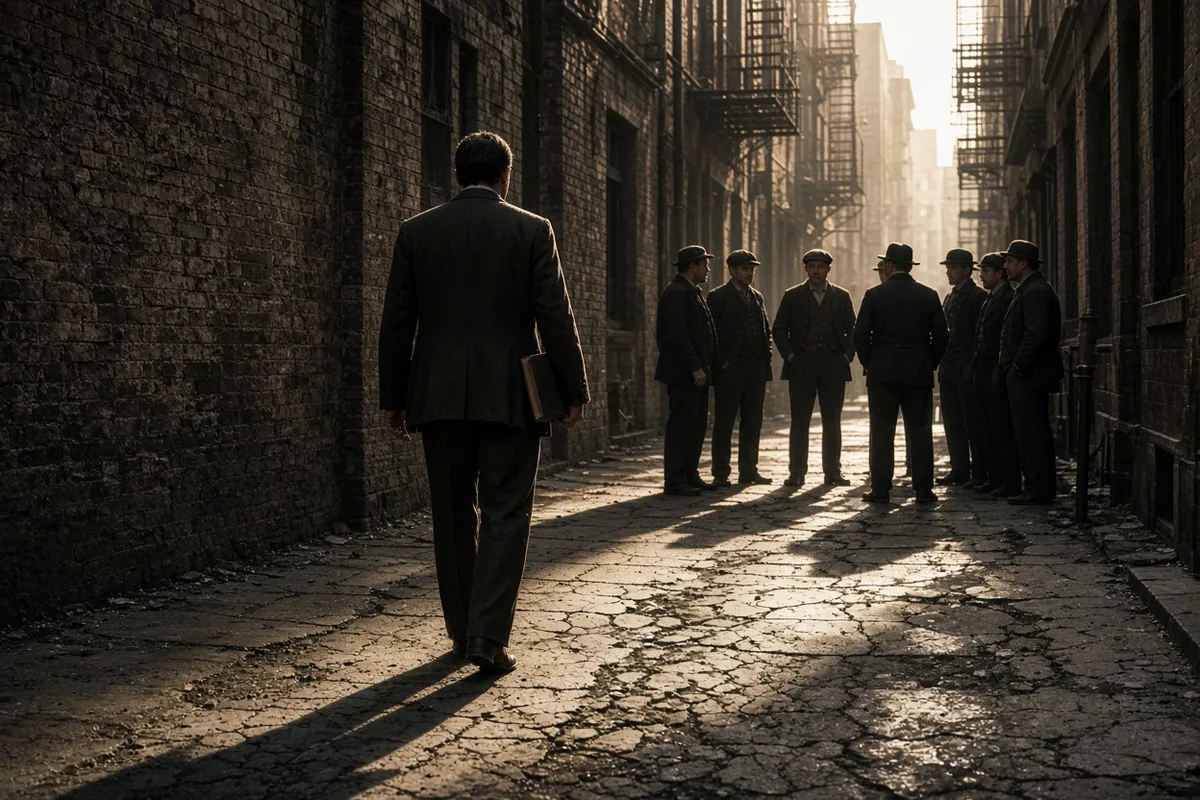
The preacher's name was David Wilkerson, and when he first showed up in our neighborhood he looked like he'd wandered off a dairy farm and gotten lost on the subway. Skinny, pale, a suit that didn't fit him, a Bible under his arm like a schoolbook. Somebody told me he'd left a church back in the hill country of Pennsylvania because God had shown him a photograph in a magazine of boys on trial for murder, and he couldn't stop thinking about their faces. He came to the city not knowing a soul, walking straight into the middle of the gang wars like he didn't understand what a switchblade could do to a throat.
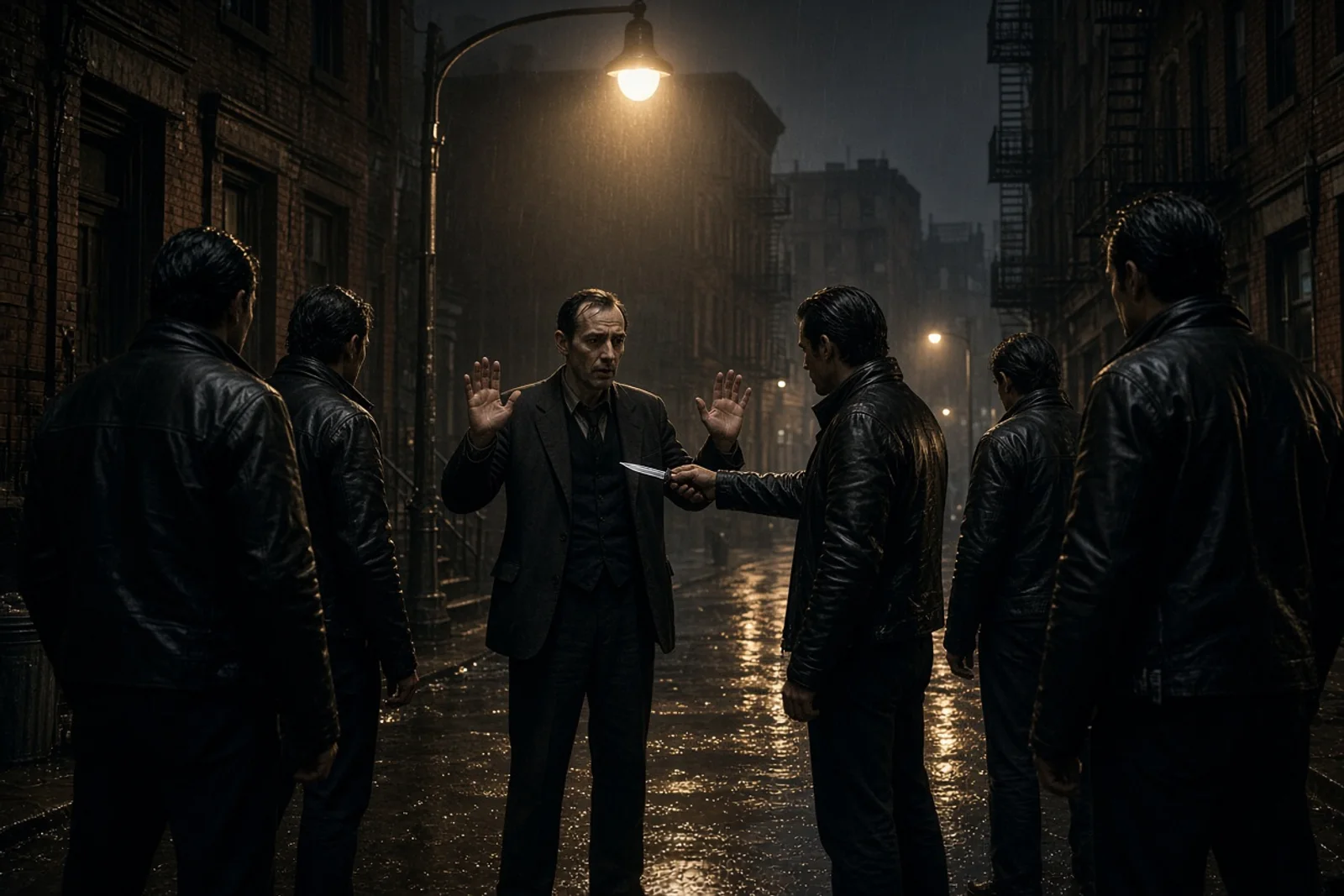
He found Cruz on a street corner, and it did not go the way you would hope. Cruz spat in his face. Then his fists went to work, and Wilkerson went down more than once. I heard about it from a boy at my church who'd seen it happen, who said the preacher just kept getting back up, wiping his mouth, saying he wanted to tell them something. Cruz told him if he didn't leave he would cut him into a hundred pieces. I have turned that moment over in my mind more times than I can count, because it is the kind of threat that ends most conversations forever.
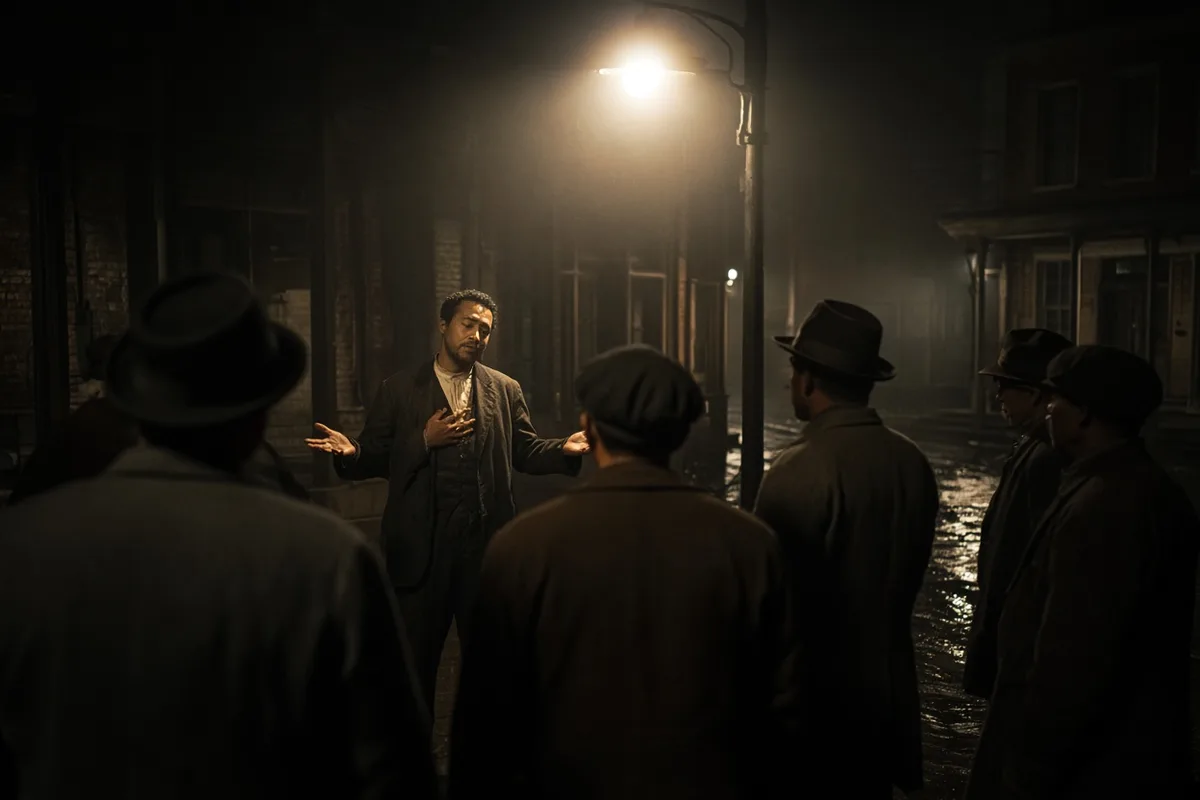
Wilkerson didn't run. He said that even in a hundred pieces, every piece would still love him. Every piece would still say God loved him too.
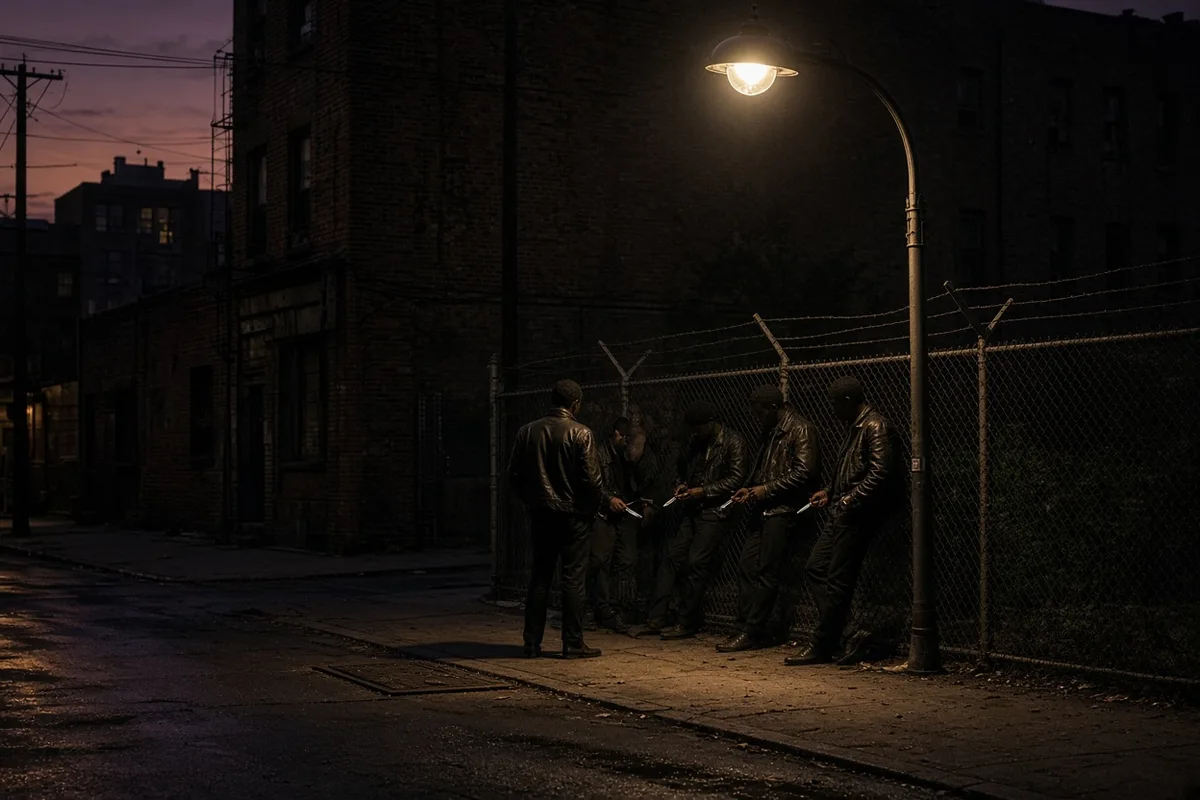
Nobody in that neighborhood had ever heard anyone talk like that, least of all to Nicky Cruz. Gang boys did not get told they were loved. They got told what they were worth in a fight, what corner they controlled, what colors they wore. Love was a word from radio songs, not something a grown man said to your face after you'd just split his lip. I think that is why Cruz let him walk away that day instead of finishing what he'd started. Something in the sentence didn't fit any script he knew, and it must have stuck like a splinter he couldn't dig out.
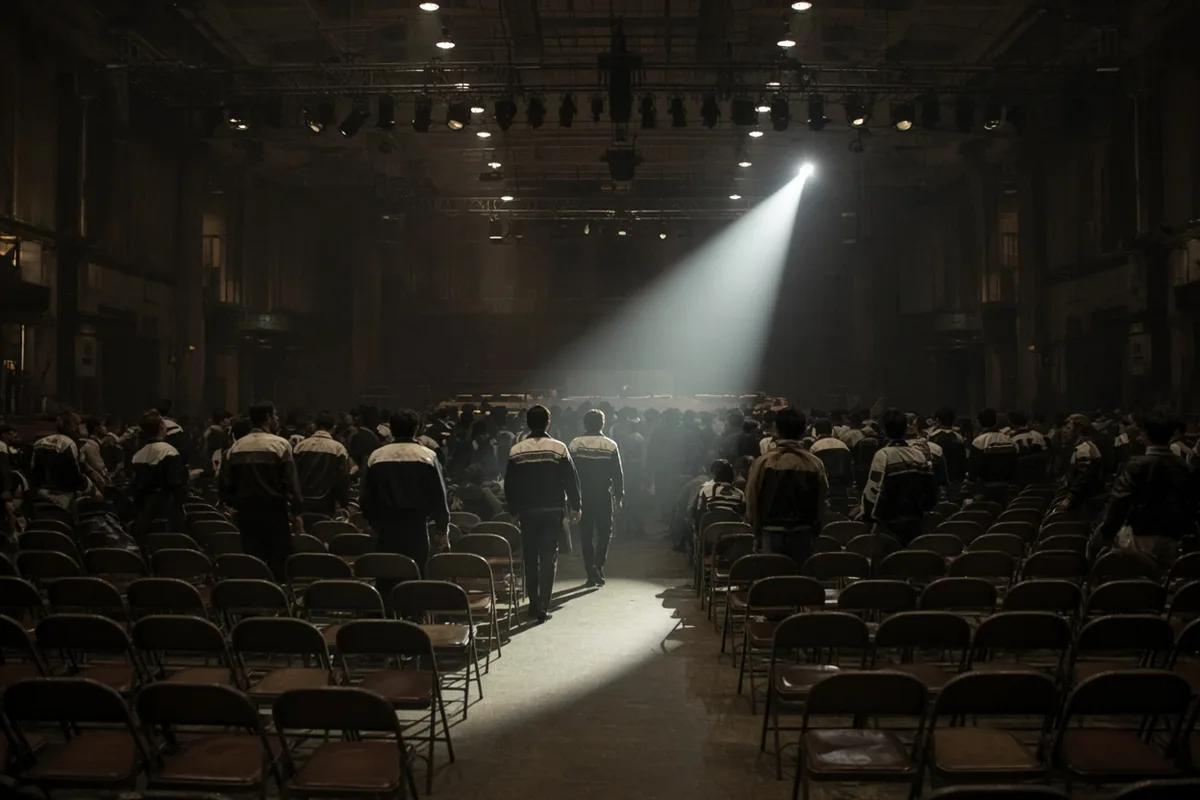
The week of the rally, Wilkerson rented St. Nicholas Arena, the boxing hall on West 66th Street, the kind of place built for men to hurt each other in front of a paying crowd, and he filled it instead with folding chairs and a card table for a pulpit. Our pastor sent every young person in the congregation, and I went every single night that week, up on the low platform with the choir, closer to the front than I wanted to be once I understood who might be sitting in those rows.
The first nights were ordinary enough, singing and testimonies and Wilkerson pacing at the front in his ill-fitting suit, but everybody in that building knew what he was really waiting for. Word had gone out through the neighborhood the way word always goes out, mouth to mouth, corner to corner, that the meetings were for the gangs, and that the preacher wanted the Mau Maus to come hear him out. I don't know how many nights passed before they actually walked in, but I remember the exact feeling of the air changing when they did.
They came in loud, on purpose, the way boys come into a room when they want everyone to know they didn't have to ask permission. Cruz was among them, and even from the platform I could pick him out, not the tallest, not the loudest exactly, but the one the others arranged themselves around without seeming to try. He had told his boys they were going to raise trouble that night, disrupt the meeting, make the preacher look like a fool in front of the whole neighborhood. I found that out later. In the moment, all I knew was a current running through the crowd, chairs creaking, somebody's mother gripping her purse a little tighter.
Wilkerson did not change what he was doing. He preached the way he had been preaching all week, plain and unhurried, and I watched Cruz sitting there with his arms crossed like a boy waiting for a joke to be over. But something happened to his face partway through, something I could see even from the platform, a kind of stillness that didn't belong to a boy who'd come there to cause a scene. I have thought since that it must have been the strangest sensation in the world, to walk into a room to mock a man and find the words landing somewhere you didn't know you had left open.
He didn't stand up and make a spectacle of it. That is not how I remember it happening at all. It was quieter than that, almost embarrassed, the kind of thing that happens in a person's chest before it ever reaches their feet. I saw him bow his head where he sat, and I saw some of the boys around him go still too, the way a pack goes still when the leader stops moving. I didn't know exactly what was happening inside him, but I knew enough of that neighborhood to know it was not nothing.
After the service, word moved through the church basement crowd the way electricity moves through a wet floor. Cruz had prayed. He had asked God to forgive him right there in his seat, a boy raised, people said, in a house full of spirits and beatings, a boy who had held his best friend Manny while he bled out from stab wounds on a sidewalk, a boy a psychiatrist once told to his face he was headed for prison and the electric chair and nothing after that but hell. Whatever had been building in him for years, it broke open that week inside a converted boxing arena on the West Side, in front of people who had every reason to expect him to come in swinging.
What happened next is the part everybody who was there still talks about, because it wasn't just talk, it wasn't just a boy wiping his eyes and going home the same as he came. In the days after, Cruz and some of the other Mau Maus walked themselves down to the police station, the same station that had booked most of them more than once, and they turned in their weapons. I heard the story secondhand within the week, the way you hear about a fire or a wedding, but I believed it the moment I heard it, because nobody in that neighborhood joked about turning in a knife. A knife was insurance. A knife was your name on the street. Giving it up in front of a desk sergeant was as close to naked as a gang boy could make himself in public.
I want to be honest about what that meant to those of us watching from outside the gang, because it is easy now, years later, to make it sound like a scene from a film reel, tidy and inevitable. It did not feel inevitable at the time. It felt like watching a wall come down that we had all assumed was load-bearing, permanent, part of the architecture of the neighborhood the way the elevated train tracks were part of the architecture. If Nicky Cruz could put down a blade, none of us were entirely sure what else might be possible, and that uncertainty had its own strange electricity, hope mixed in with something close to fear, because a world that could change that much could apparently change in either direction.
Wilkerson kept coming back after that week, kept building what would become his ministry among the addicts and gang kids of the city, an outreach that eventually took the name Teen Challenge, and Cruz became something nobody on that corner would have predicted a year before. He went off to Bible college, the same boy the psychiatrist had written off, and I remember hearing from someone at church that he'd gotten married, that he was studying to preach himself, and thinking that the story had a kind of shape to it that real life rarely bothers to have.
He didn't stay away from the old streets either, which is the part that always struck me most. He went back to Bedford-Stuyvesant, back to the corners the Mau Maus had once claimed as their own, and he stood in front of the boys who had taken over after him and told them what had happened to him in that arena. Some of them listened the way he once refused to listen to Wilkerson, arms crossed, waiting for the joke. But some of them didn't, and among the ones who didn't was the gang's new leader, the boy who had stepped into the vacancy Cruz left behind, and he went the same road Cruz had gone, out of the gang and into the church.
I left that neighborhood myself a few years later, married, moved out to another borough, the way most of us eventually scattered from those blocks, but I followed the story the way you follow news of someone you once stood near in a crowded room. Cruz's name kept surfacing, further and further from Brooklyn each time. He worked alongside Wilkerson's ministry for years, and then he built something of his own, and then he was not just preaching in New York anymore but flying to places I couldn't have found on a map when I was sixteen in that boxing arena, telling the same story over and over to rooms full of strangers who had never heard of the Mau Maus or St. Nicholas Arena or any of it.
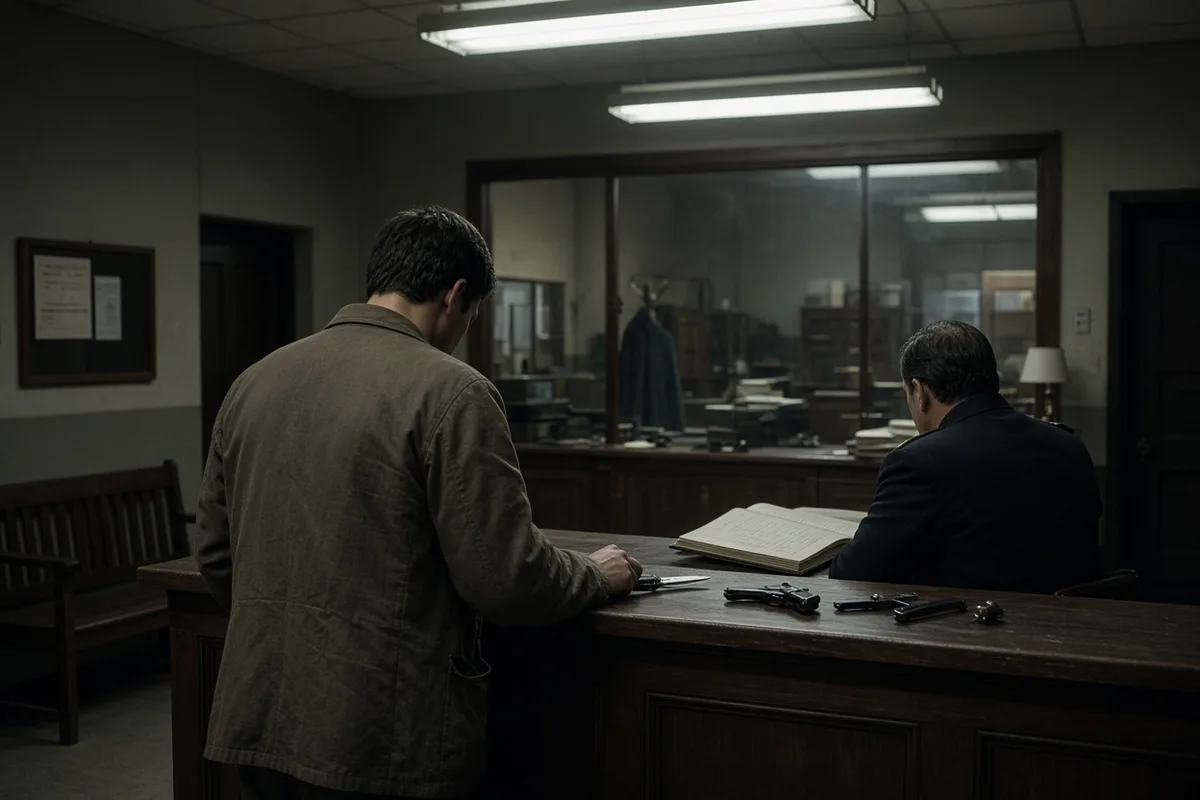
Wilkerson wrote it all down eventually, the whole account of that year, the boy from the Pennsylvania hills and the boy who'd been called the son of Satan by his own mother in a trance, and the book went out into the world under the title The Cross and the Switchblade. I bought a copy the year it came out and read it in one sitting at my kitchen table, and it was strange to read about people I had watched from a folding chair, to see Cruz's threat to cut Wilkerson into pieces printed on a page like it belonged to history now instead of to a Tuesday night I had lived through. The book went on selling for decades, translated into more languages than I could name, made into a film I watched once on a small television with my own children beside me, neither of them quite believing their mother had once sat close enough to Nicky Cruz to see the exact moment his face changed.
I think about the girl I was that week more than I probably should, up on that low platform in the cold arena, watching a threat against a preacher's life turn into something else entirely inside the space of a single sermon. I think about how certain we all were, in that neighborhood, about who was fixed and who was capable of turning, and how wrong that certainty turned out to be. Cruz built his own ministry, wrote books of his own by the dozen aimed at kids exactly like the one he had been, and later, with his daughter and her husband, started an outreach called TRUCE, built to carry the same message into cities that had never heard it, using the sounds those cities actually listened to, rap and spoken word and theater instead of hymn books and folding chairs.
None of it erases the boy who held his friend Manny while he died on a Brooklyn sidewalk, blood going dark on the concrete, no ambulance fast enough to matter. None of it erases the psychiatrist's verdict, the electric chair, the hell, spoken to a teenager like a sentence already handed down. But I was there the week the sentence didn't hold, in a boxing arena built for men to break each other, watching a boy who had promised to cut a preacher into pieces instead bow his head in a folding chair and ask, however quietly, to be forgiven. That building came down years later. I don't think anyone who was inside it that week ever forgot what happened on its floor before the wrecking ball found it.