Mary Slessor Stops the Killing of Twins
A dramatized first-person retelling of documented events
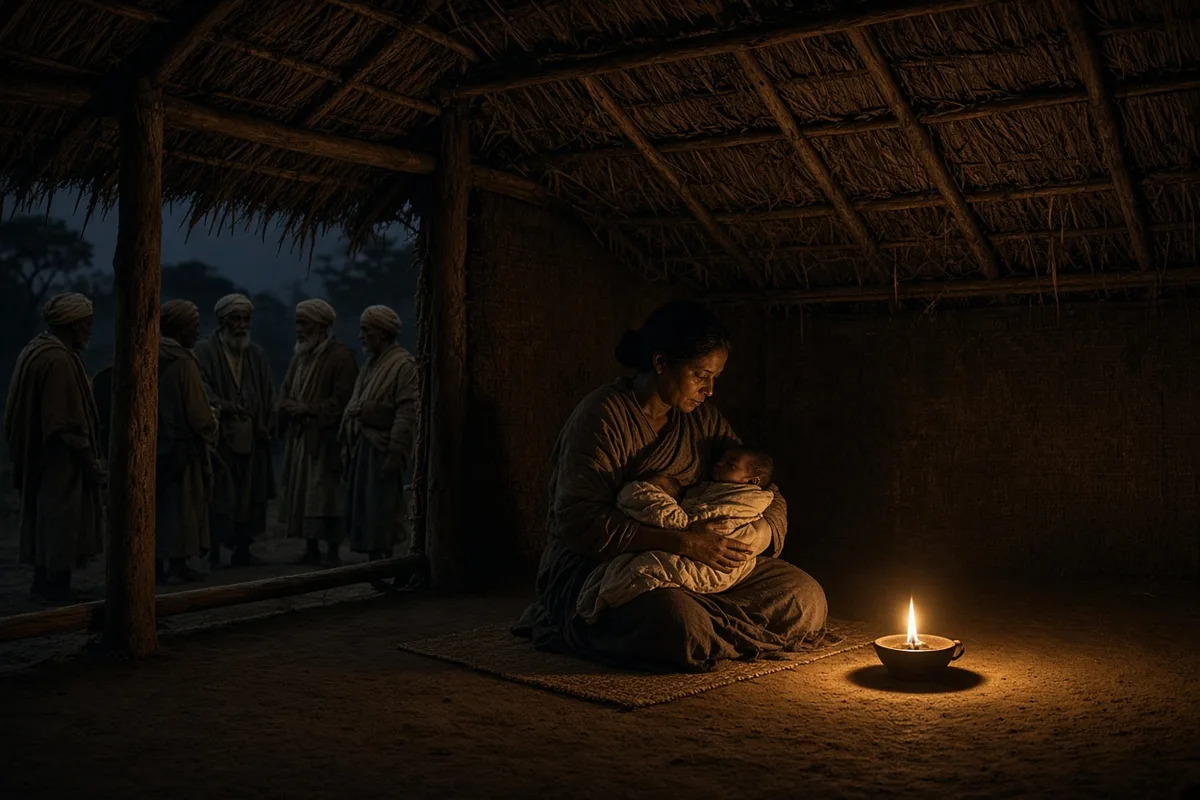
I carried water that morning the way I always did, gourd balanced against my hip, when the second drum started up behind the first. One birth-drum is joy. Two drums, out of time with each other, stumbling over one another like frightened feet — that is a different sound entirely. I had heard it before. Everyone in Calabar had heard it before. It meant a woman in some compound had borne twins, and by nightfall there would be a bundle left in the bush for the ants and the leopard.
The Efik people believed a woman who bore two children at once had lain with an evil spirit, and that no one could say which infant carried the curse, so both were carried out together, past the town wall, past the mangrove line, and set down where nothing but the forest would claim them. The mother was driven from her own hearth. The father, blameless in every other custom, became in this one thing a demon in a man's skin. I grew up understanding this the way I understood rain in the wet season — not questioned, only endured.

It had not gone unchallenged, not even in my grandmother's time. Consul Beecroft had come with Kings Eyo II and Archibong I standing beside him in 1849, and together they had put their word against the practice, human sacrifice and twin killing both struck down on paper. The town nodded and then went on as it always had. When the agreement was broken past bearing, Beecroft came back with soldiers in 1855 and pulled down houses to make the point stick.
That same year another paper was signed, this one by King Duke Ephraim and the Efik chiefs who stood with him, promising a British Consul named Hutchinson that the killing would end. I heard of it as a story told by older women stirring pots, half pride and half weariness, because the drums still came in twos some seasons and the bush still took its bundles. Before all of that, in 1852, a missionary named Rev. Edgerley and his wife had already gone out and lifted twins from where they lay, the first such rescue anyone wrote down, and that act alone had put a certain fear into men who might otherwise have acted without a second thought.
I worked at the mission compound by then, boiling linens, carrying messages, listening to Rev. Hope Waddell preach in a voice that filled the whole yard, and to Rev. Hugh Goldie bent over his grammar books, teaching the Efik tongue to whoever wished to learn it enough to write it down properly. The mission had been fighting this fight in its slow way for a generation already. I did not think, watching them, that anything new was coming. I had stopped expecting anything new.

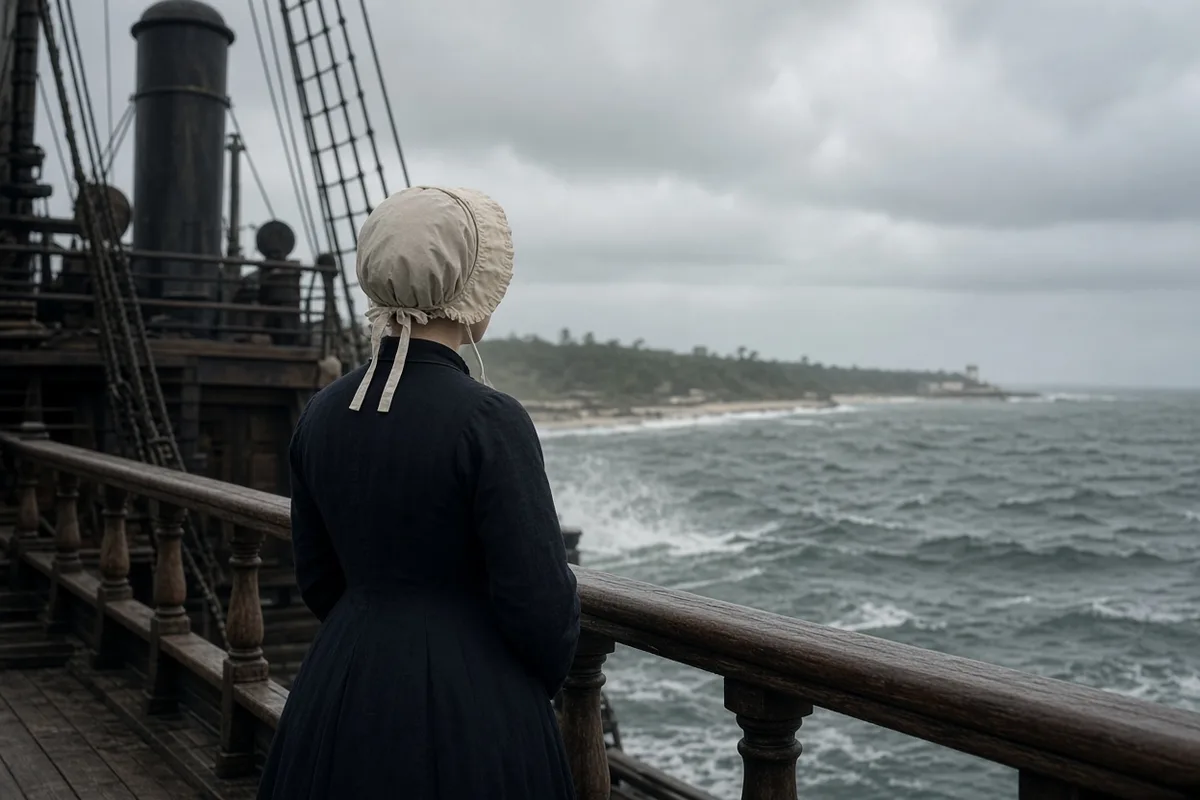
Then in 1876 a ship called the SS Ethiopia came into the harbor, and among the passengers who came down the gangway was a woman with hair the color of rust and eyes so pale blue they looked washed out by weather. She was twenty-eight. She did not carry herself like the other missionary wives, stiff in their high collars, sweating politely in the heat. She looked at the crowd on the wharf the way a person looks at a room they intend to live in.
I did not know her name yet. I would come to know it the way everyone in that country eventually did — Mary Slessor, though for a long while she was simply the red-haired one, the one who did not stay where she was put.

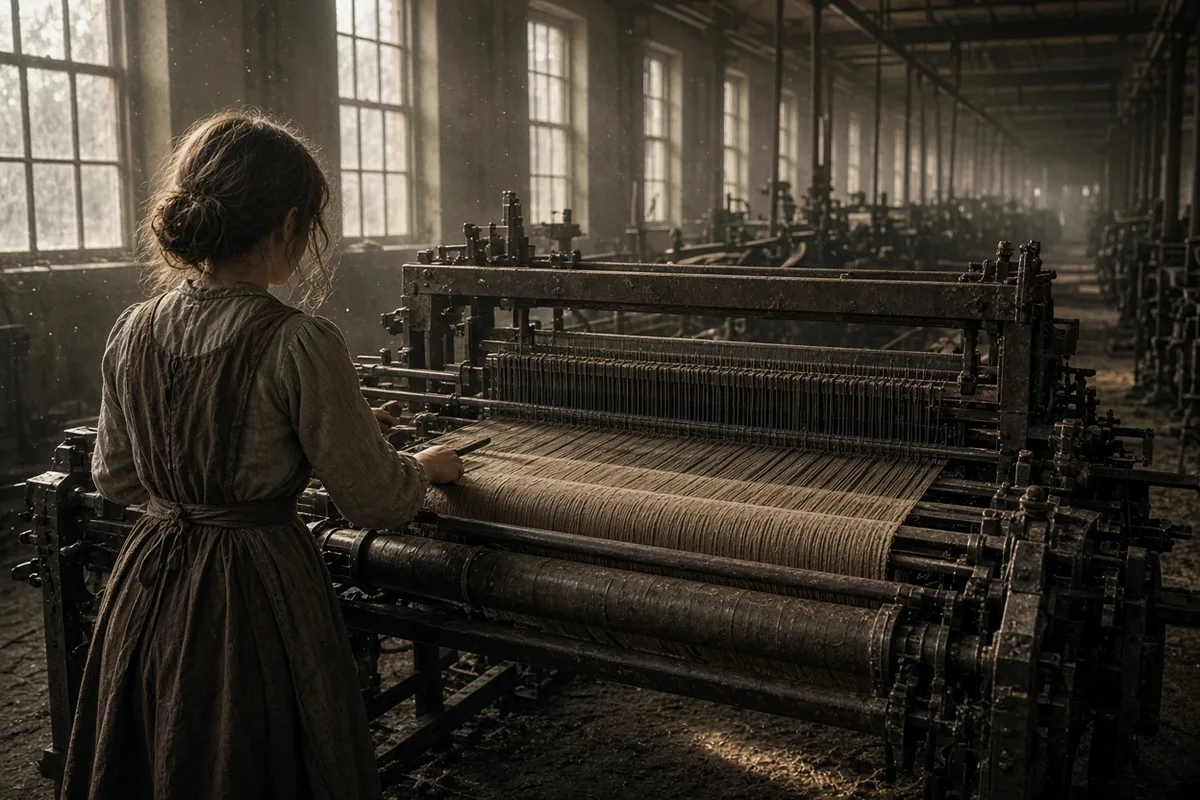
She had grown up hard, that much I learned later from the missionaries who talked among themselves. Her father drank himself into an early grave from pneumonia, and she had gone into a jute mill in Dundee at an age when other children were still at their letters, twelve hours a day among the looms, holding her family together on a girl's wages. She sent so much of her pay home from Calabar that she often went without proper food herself, and learned, out of plain necessity, to eat what the local women ate rather than what came in tins from Scotland.
That was the first thing that set her apart, small as it seems. She ate what they ate. She sat where they sat. While other missionaries kept to the compound behind its fence, she went out among the houses, and she studied under Rev. Goldie until she could speak Efik without groping for the words, which meant she no longer needed anyone standing between her and the people she had come to serve.
I remember the first time I saw her turn from a doorway that no other white face would have entered. A fever had gone through her not long after she arrived — malaria, the kind that sent her home to Scotland to recover in 1879 — and when she came back she seemed to have decided something in that illness, some line she would no longer observe. She moved to live where no European lived, among the ordinary people, in a small house that let the smoke from cooking fires drift straight through it.
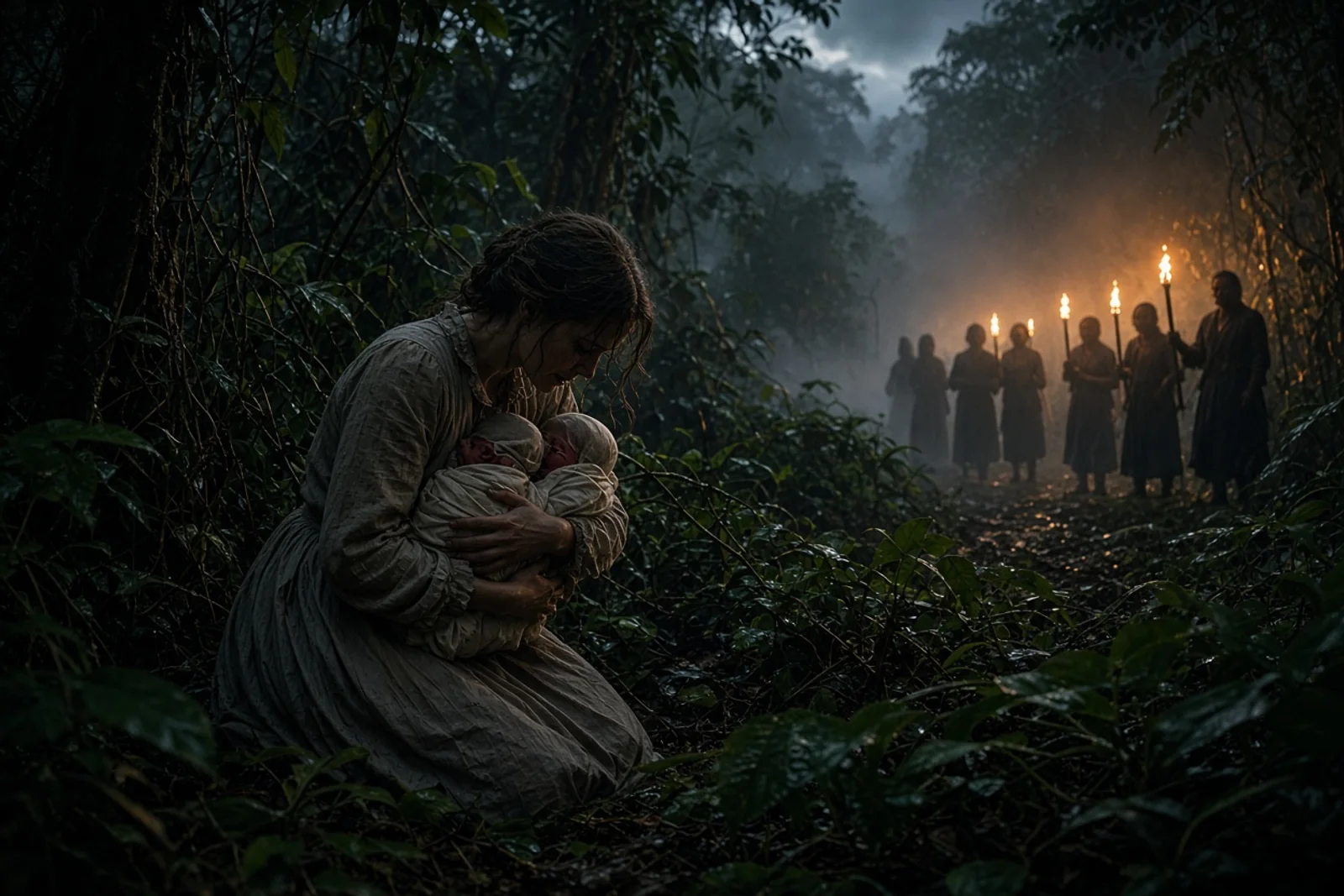
The twin cases did not stop coming, because belief does not bend for one woman's arrival. I was with her, or near her, more than once when word reached us that a birth had gone wrong in the eyes of the town. I remember a compound at the edge of the bush, a mother wailing on her knees, relatives already moving the infants toward the trees with the flat, practiced haste of people performing an old duty rather than a cruelty they had chosen themselves. Mary went straight into the middle of it, and she did not shout. She simply took the children up into her own arms, one against each shoulder, and stood there as if daring the moment to go on without her permission.
She brought them home. Not once — again and again, until her small house was never without an infant crying somewhere in it, sometimes two or three at a time, wrapped in whatever cloth she had, fed on whatever milk or mash she could manage. Over the years that followed, she took in and raised more of these children than anyone troubled to count exactly, though the number ran into the dozens, boys and girls both, growing up under her roof who by every rule of the old belief should never have drawn a second breath.
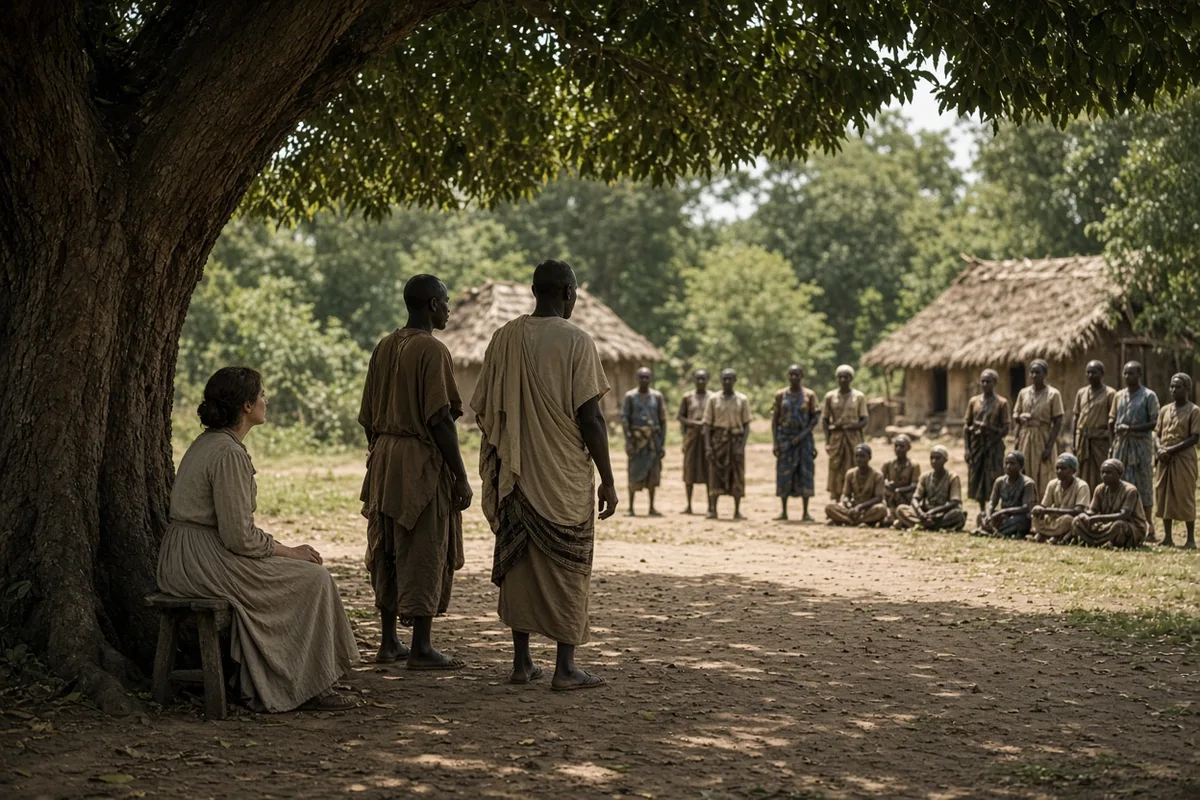
What changed the shape of things, though, was not only her arms but her authority. In time she was made Vice President of the Native Court in Okoyong, and it was there, in 1876, that a ban against the killing of twins was enforced under her hand, not as a missionary's plea this time but as something closer to law. I sat sometimes at the edge of those court sessions and watched her weigh disputes the way a village elder would, chiefs and accusers and the accused all waiting on her word, and I understood that persuasion alone had never been enough to stop what fear had built into the marrow of a whole people. It took someone willing to sit in the seat of judgment and say, in front of everyone, that this practice would end here.
I want to be honest about what I saw, because I have heard the story told since as though she alone closed the door on a horror that had stood open for a hundred years. That is not the shape of it. Beecroft had tried with soldiers behind him. Edgerley and his wife had tried with their own hands in 1852. Hutchinson had tried with a signature from King Duke Ephraim. Waddell and Goldie had tried with sermons and grammar books, decade after decade, wearing the belief down the way water wears a stone, so slowly you could stand beside it your whole life and never see the change happening.
What Mary did was take that long, grinding effort and give it a household. A place. A woman with a legal seat and an open door, so that a mother in Okoyong who might once have had no choice but the bush now had somewhere to walk instead, carrying children she was terrified to keep but no longer had to abandon. Calabar itself, the older, larger town where the belief had first been written into agreements and broken again and again, did not stop the practice because one woman arrived on one ship. It stopped, where it stopped, because of all of them together, layered one on top of another over more than a generation.
I used to watch the children in her yard as they grew — not counting them by name, because I will not pretend to a memory I don't have, but watching them all the same, the way any of us in that compound did, half in wonder that they existed at all. They ran barefoot through the same dirt that had once been walked toward the tree line for a very different purpose. They grew tall. They grew ordinary, which was the whole miracle of it — that a child born a curse could grow up simply a child, quarreling over food, laughing at something no one else found funny, falling asleep against a doorframe in the heat of the afternoon.
She stayed on in that country for the rest of her life, moving further inland as the years went by, always toward the places where the old fears still held hardest, always finding some house that no one else would live in and making it hers. I did not see the whole of it. No one person did. But I saw enough — the drums that used to mean a bundle in the bush, and years later, the same drums announcing nothing more than a birth, plain and singular and safe.
They put her face on money eventually, back in the country she came from, a woman who once stood twelve hours at a loom now printed on a ten-pound note. In Calabar they raised a statue of her with an infant in each arm, and named streets for her, the way you name a thing to make sure it is not forgotten even by people who never knew the drums.
I think sometimes of the earlier ones whose names get spoken less — of Edgerley's wife walking into the bush in 1852 with no law behind her at all, only her own two hands and whatever nerve it took to do that once, before anyone knew if it would matter. I think of King Duke Ephraim putting his mark to a paper in 1855, and of Hutchinson standing there while he did it, both of them betting on a promise that the town would break within the year.
None of them alone stopped it. All of them together wore it down until it broke.
I still hear, some mornings, very far off, a single drum — one voice, one rhythm, uncomplicated by any second child arriving to spoil it — and for a moment I stand very still in the road, water gourd on my hip, waiting to hear if it will double. Most mornings now, it does not.