Livingstone's Heart Stays in Africa
A dramatized first-person retelling of documented events
The rains had stopped weeks before, but the ground still held the wet smell of them, and I remember thinking that smell would outlast him. We had carried the cot through swamp and thorn since leaving the river Chambezi, four men to a shift, changing when our shoulders burned past bearing. He did not speak much anymore. The disease had hollowed him the way water hollows a riverbank, slow, and then all at once.
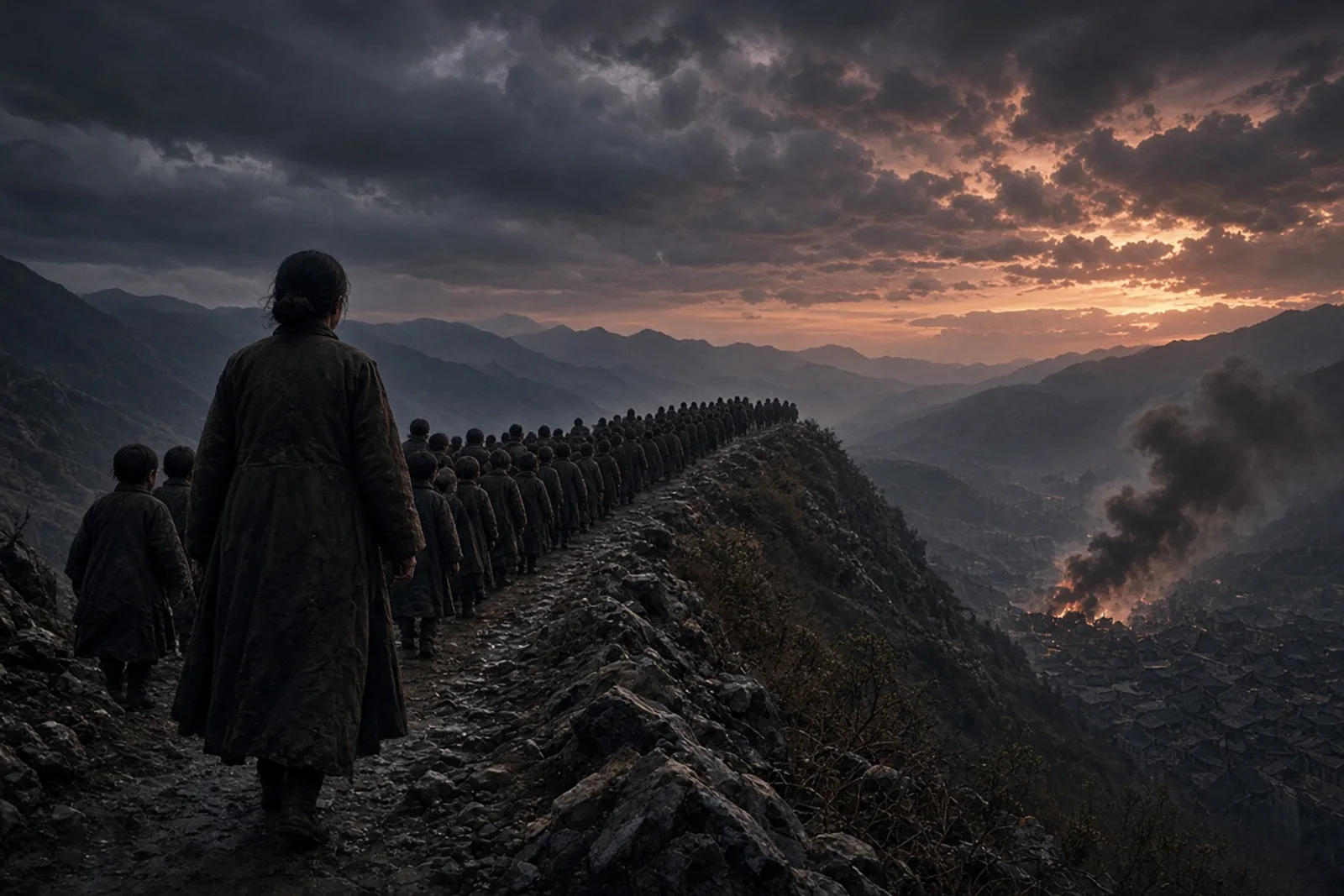
At Katenkera's village, on the Manikazi, he was still lucid enough to ask after the maps. By the time we reached Kopa, on the Mitikira, his voice had gone thin as smoke. We passed through Lavama's country, crossed the Lookulu, and it was there, watching him slide in and out of sense, that we understood we would not be bringing him home walking. We built the cot stronger. We wrapped him against the chill that came with dusk even though the days still scalded us. Boys who had followed him four thousand miles into places no map had a name for now carried him like cargo, and none of us said the word for what that meant.

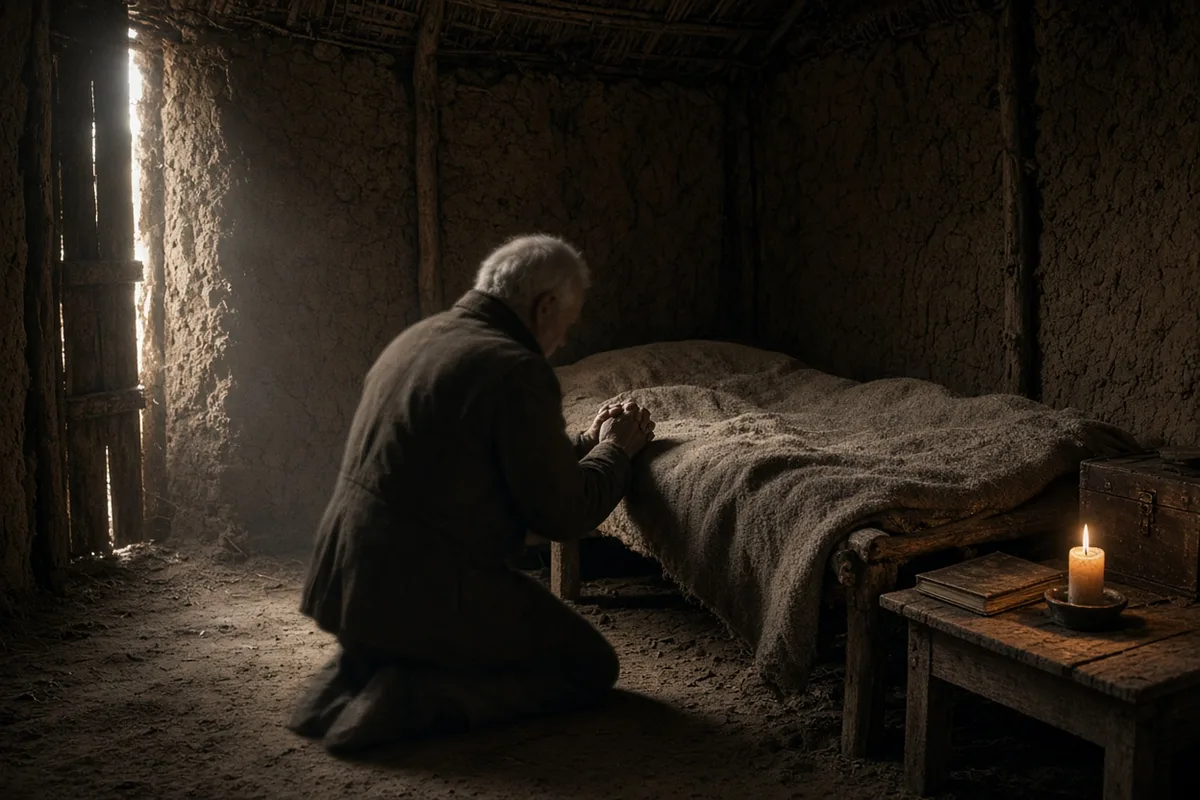
We crossed the Lulimala at Katangandyofu, on the border of the Wabisa country, wading chest-deep with the cot held above the current on our shoulders, and on the far bank we entered a country we did not know, ruled by a chief named Kutumbo, in a place called Muilala. We built our huts, as we always did, in the shade of one broad tree. We had lodged there one day when the fever in him turned. That night none of us slept. I remember the sound of him praying, low, on his knees beside the cot, the shape of him bent over like a man listening for something in the earth. We left a boy to watch through the last hour. When we went to him before first light on the fourth of May, he was already gone, kneeling still, as if the praying had simply not stopped when the breath did.
There is no ceremony for that kind of grief, not one that fits inside a night. We stood in the dark outside the hut a long while, unable to go in again, unable to walk away. Susi went in first. Then the rest of us, one by one, as if entering a church we had no right to enter. He looked smaller than he had ever looked walking. That was the worst part, I think — that the man who had walked us across half a continent could be reduced, in an hour, to something so still and so slight beneath a blanket.

By morning the question was already pressing against us harder than the grief. We were a thousand miles from any coast, in country that would not forgive the smell of the dead, and we knew what became of unburied white men out here — the stories the Arab traders told, the rumors that would run ahead of us faster than we could walk. If we buried him where he lay, the world he had spent his life trying to make listen would never hear a word of what his eyes had seen — the chained lines of people, the burned villages, the trade in human beings that had eaten this whole country from the inside. He had meant to tell it himself. Now the telling would have to be done by his silence, carried the length of a continent, or not told at all.
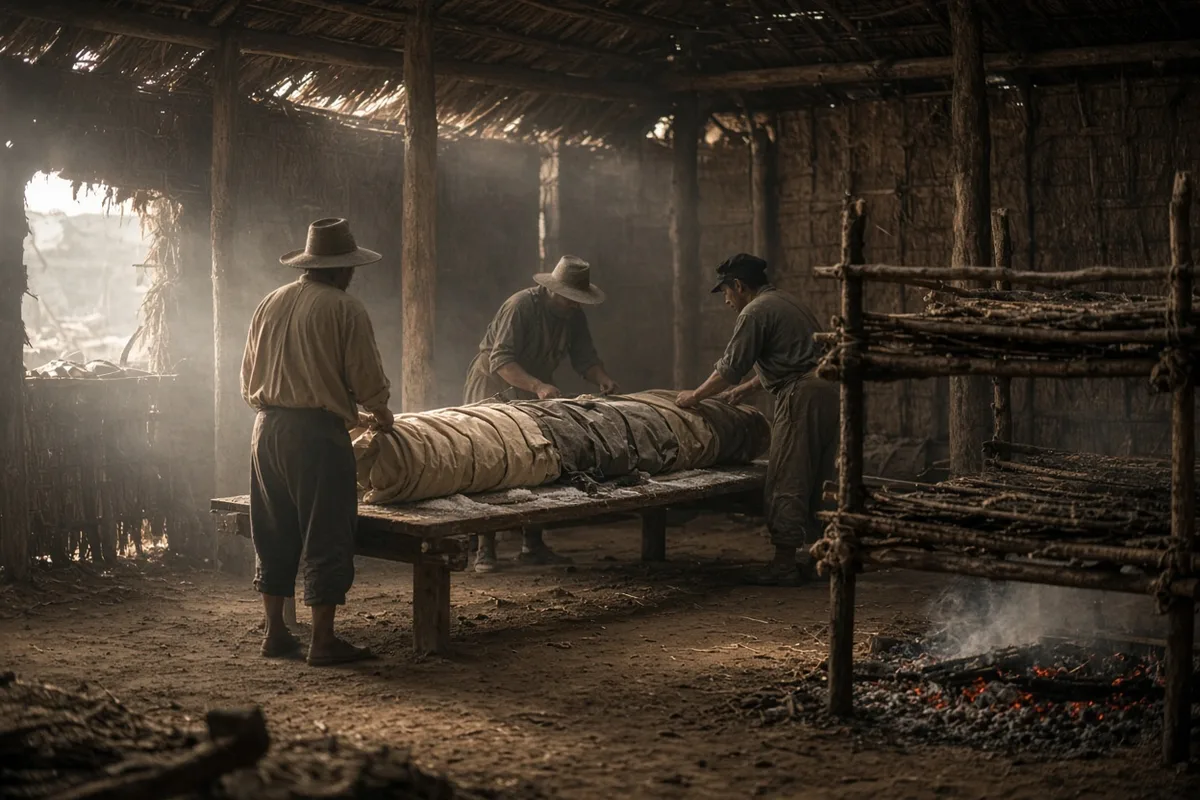
So on the fifth of May we did what none of us had ever done and hoped never to do again. We opened him. There was no physician among us with proper instruments, only what could be found and made to serve. Inside, where the disease had done its worst, there was little left to find — black blood, and lungs wasted thin as old cloth. We took the heart. We took the organs that would corrupt fastest in that heat, and we salted the rest of him as best we understood salting, the way you might try to save meat you could not bear to lose, except this was the man who had led us, and every hand doing it was shaking.
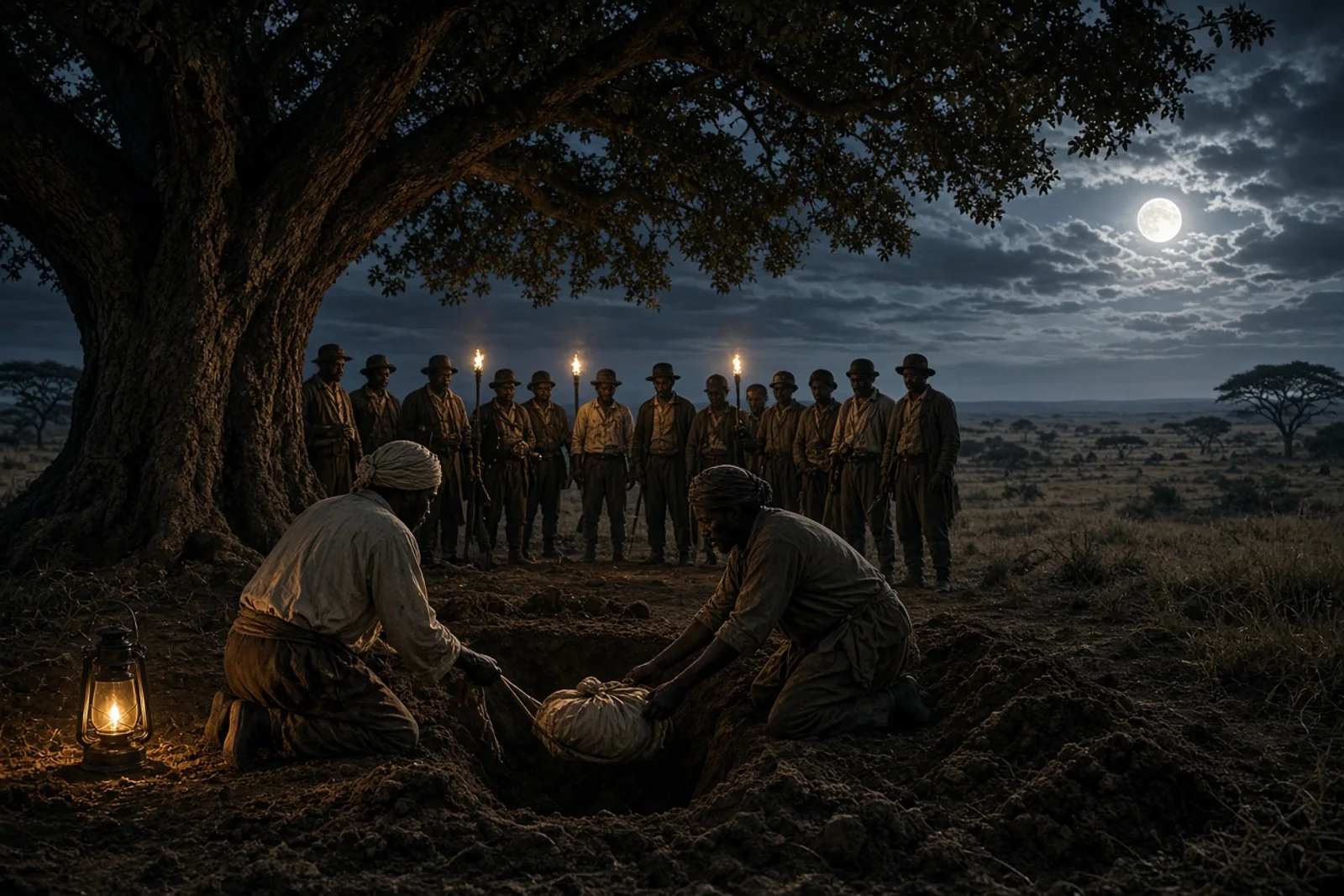
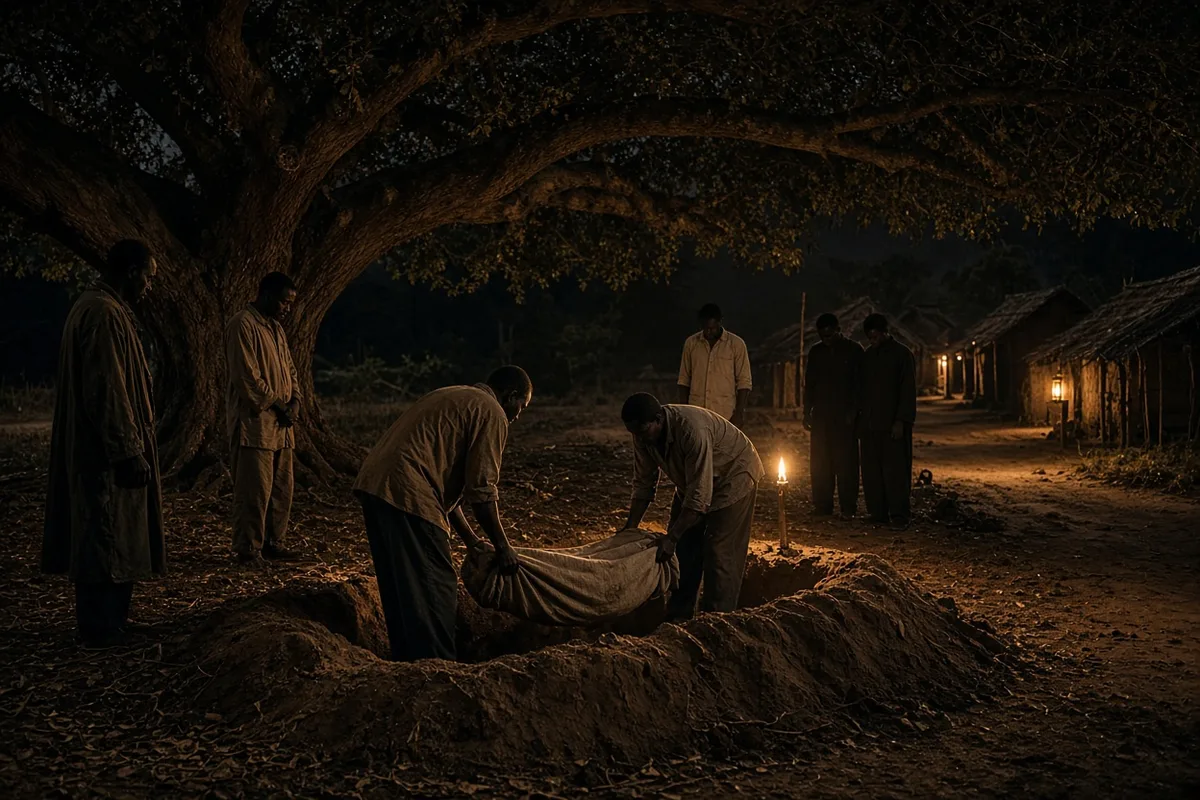
We buried what we removed beneath the tree where he had died, the tree they called Mbura. Someone — I believe it was one among us skilled with a knife for such things — cut into the bark and carved his name and the date, May the fourth, eighteen seventy-three, and beneath it the names of three among us who stood as leaders of the camp: Jazuza, Manyasere, Chopere. It was not much of a monument. A tree in a country with no name on any of our maps, in the shade of which a heart had been laid into the ground. But it was what we had, and it was honest, which is more than most monuments manage.
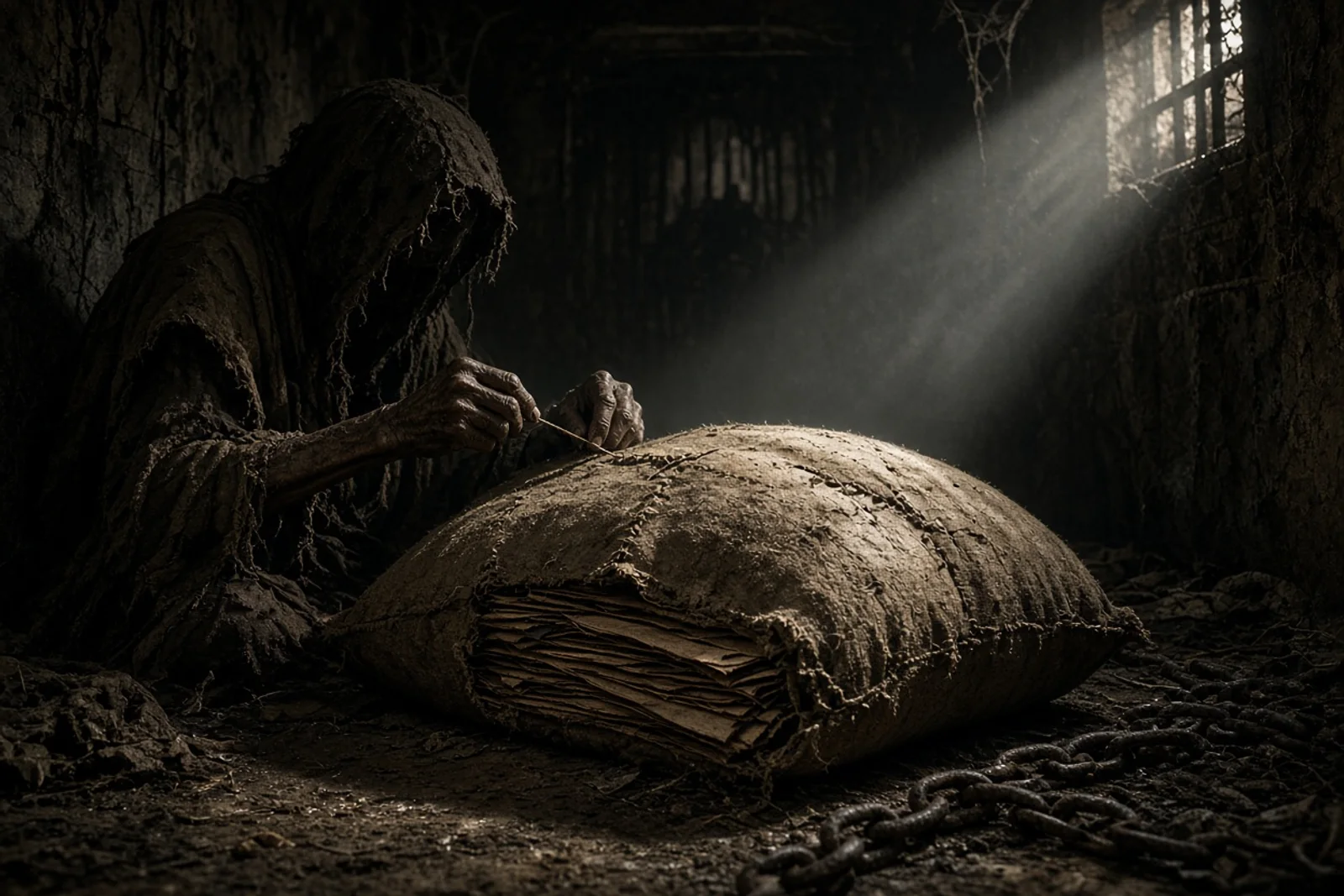
We built the coffin the next day, plain boxwood, the best that could be shaped from what stood around us, and we packed the salted body inside as carefully as men pack something they intend to carry a very long way. Then we understood what we had actually decided in that terrible hour — not simply to bury him with dignity, but to carry him. Fifteen hundred miles of country between us and the sea, through territory we did not control, past chiefs who owed us nothing, across rivers that did not care what we carried across them. We had no authority for this. We had only the fact that no one else was going to do it, and that he had trusted every one of us to finish what he started.
We stayed twelve days in the town of Veitumba before we found the strength, or the nerve, to move. When we finally lifted out at last, we told no one plainly what the parcel wrapped in bark cloth and sailcloth actually held. We called it merchandise, when men asked. We called it many things. Only we knew it was the man who had walked with us, going home the only way left to him.
The country punished us for the lie almost immediately. At Manawam-Gungu's town we lost days to sickness that ran through the whole caravan like fire through dry grass — all of us, save five or six, laid low at once, fevered, useless, staring up at the same sky he had died under. I remember lying in that hut counting the others' coughs in the dark and wondering if we would all be buried under trees before we ever smelled salt water.
We recovered enough to walk, and we walked. On the twenty-fifth of June we reached the banks of the Lwapla — the same great Chambezi we had known further upriver, wide and slow and the color of tea, running east toward the last light of evening. The chief there, Kasaramarama, was in no hurry to help strangers cross his water, and for one bad hour it looked as if we would have to force the canoes or turn back. We got across without blood, though not by much, and stood on the far bank in the country of Kawenday, which the people there swore was thick with lions, tigers, elephants — every fear a traveler carries multiplied and made real.
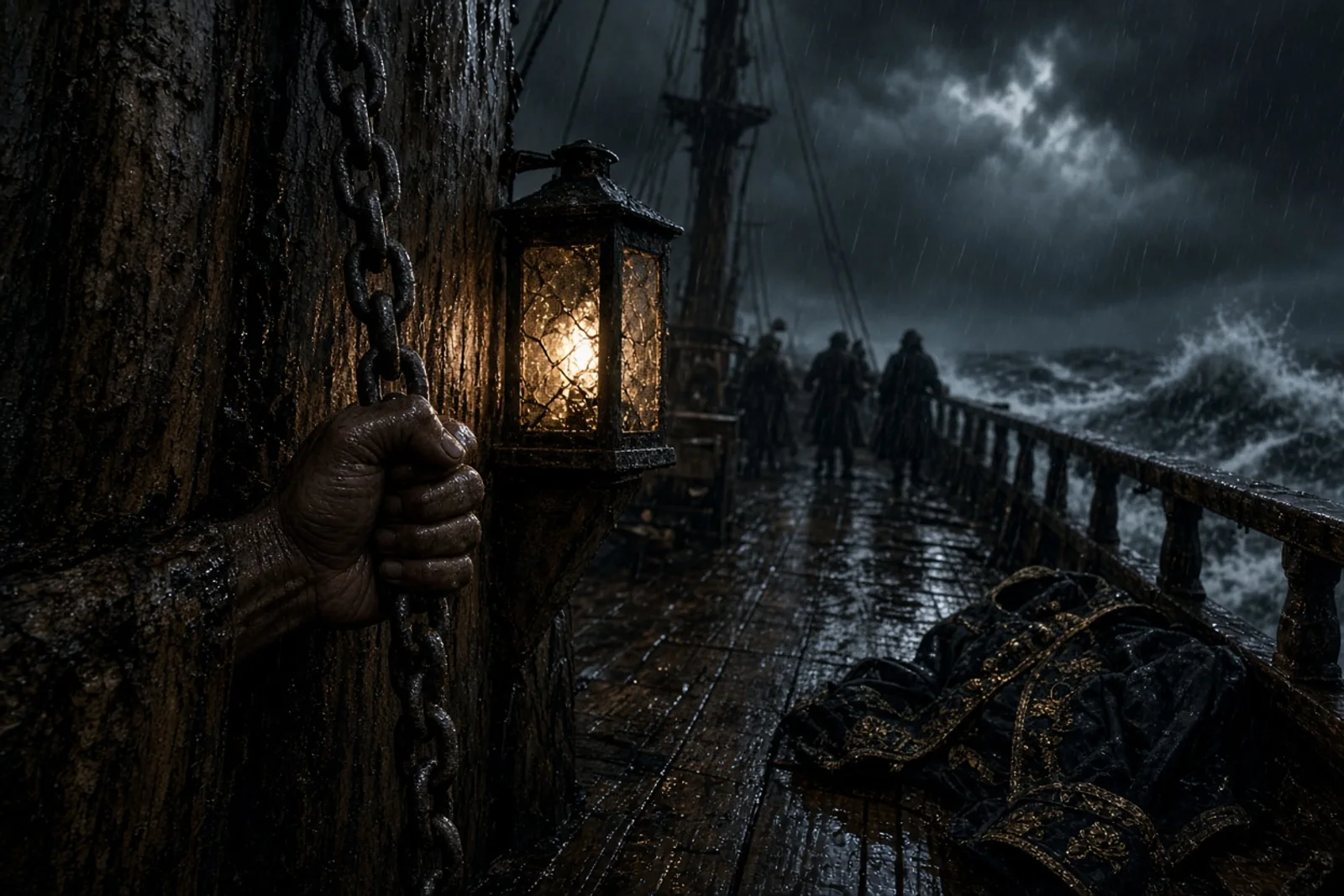
They were not exaggerating. That first night, near ten o'clock, with most of the camp asleep beside the fires, two lions came out of the dark and killed the one donkey that had been carrying our sick. We heard it happen before we understood what was happening — a scream from the animal, then nothing. No one slept after that. We kept the fires built high and stood watch in shifts, muskets ready, firing into the dark whenever the shapes came close enough to trust the aim. All through that night the roaring never stopped for long, and every man in that camp understood, without needing to say it, that we were carrying something through country that did not know or care what it was, and would take us as readily as it had taken the donkey.
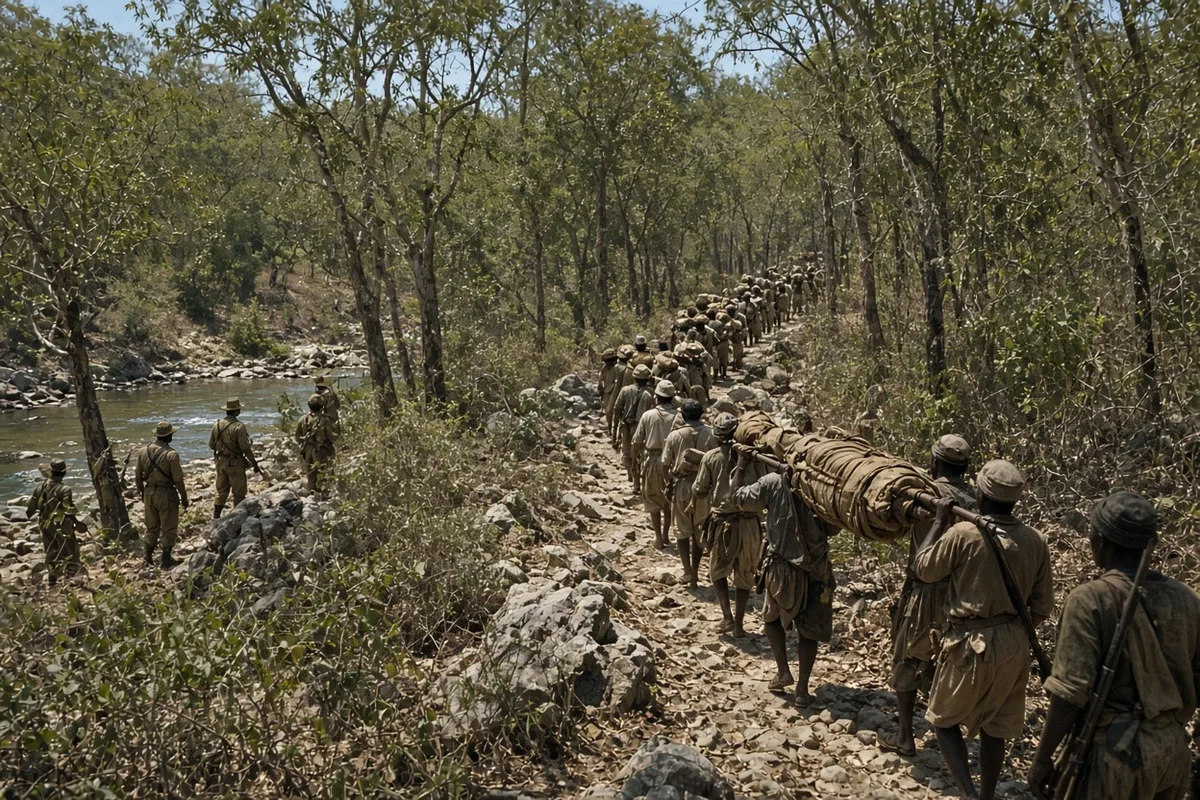
We survived that night, and the ones after it, the way men survive things they have no business surviving — by refusing, collectively, to stop. Village by village the route unspooled southward and eastward, each chief a fresh negotiation, each river a fresh risk, and always the coffin at the center of the line, carried in turns, guarded always, spoken of in whispers even among ourselves. There were stretches where the porters ahead of us had never seen a white man's burial custom and grew uneasy at what we carried, and there were stretches where word had somehow run ahead and people came out simply to watch us pass, silent, as if they understood before we told them what the procession meant.
Zanzibar came at the end of it the way land comes at the end of a long swim — not as relief exactly, more as disbelief that the far side had actually been real. Months on the road, fever behind us, lions behind us, the salt of him surely failing under all that heat despite everything we had done. When the coast finally opened out in front of us, wide and bright and smelling of a sea none of us had touched in over a year, it did not feel like arrival. It felt like setting down a weight we had carried so long our shoulders had shaped themselves around it, and would ache with its absence for a long time after.
The body that reached the coast went on from there by ship, out of our hands and into the hands of the wider world he had always meant to speak to — carried at last across the water he had spent so much of his life trying to describe to people who had never seen it. In England they opened the case that held him and found, in the healed break of an old bone, the same injury a lion had once left in his arm years before, on another continent entirely, in another life — and by that scar alone, more than by any face still left to recognize, the men in London knew for certain that what we had carried those fifteen hundred miles truly was him, and no substitution, no rumor come to nothing.
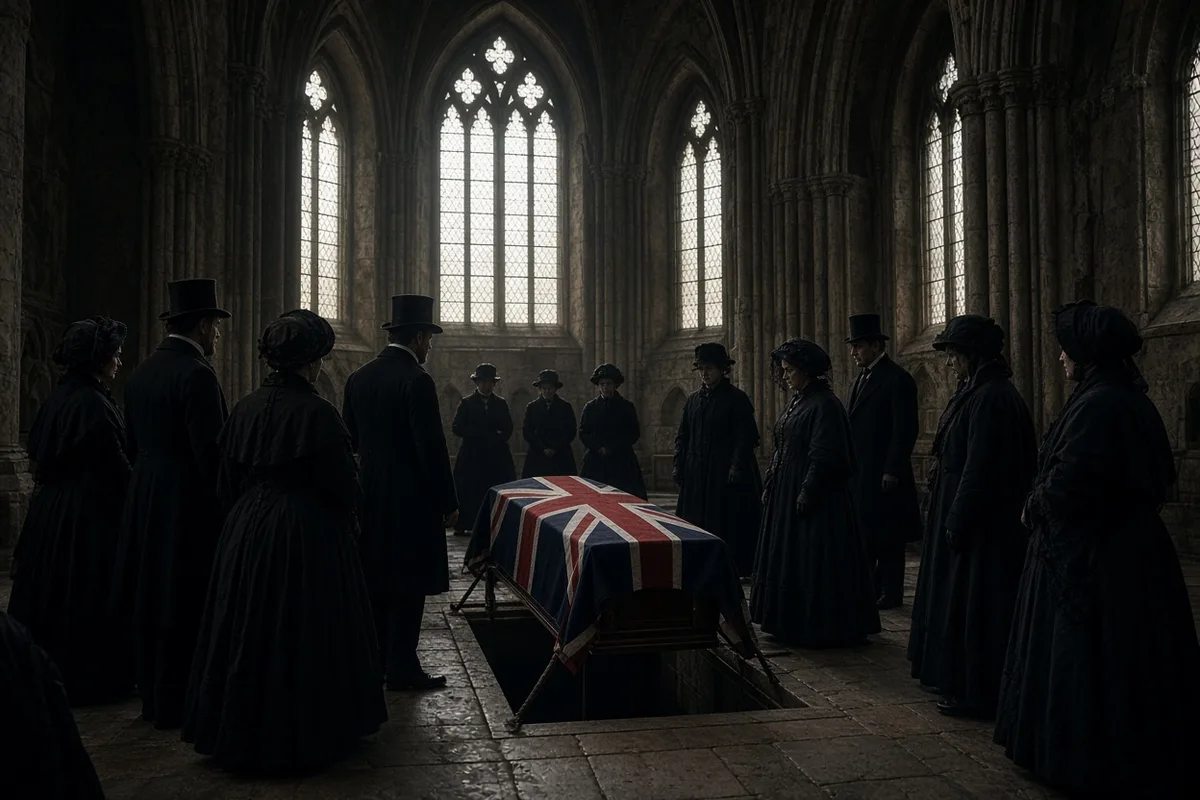
They buried what we brought them in Westminster Abbey, among kings and poets, under a stone that says nothing of the country he actually loved most, the one that had swallowed the better part of him. But the heart never left. It is still there, or the ground above it is, under whatever remains of a tree once cut with five names and a date, in a country that did not exist yet on the maps he was making when he died. Sometime later, someone took a section of that same trunk and carried it away too, smaller than a coffin, small enough to hold in two hands, and it sits now behind glass in a museum case in London, wood the color of old tea, still bearing, if you look, the shape of the cut where the letters once were.
I think of it sometimes as the fairer division, if grief can ever be called fair — his heart given back to the earth that had taken so much of him already, his body carried home to a country that had given him permission to leave it in the first place, decades before, and hardly asked what it cost him to keep going. We who carried him never called ourselves anything grand for having done it. We were the ones nearest when it needed doing, and there was no one else.
Somewhere south of the Chambezi, if the tree still stands, if the ground has not moved to swallow even that much, the roots of a myula tree are older now than any of us who dug beneath them that morning in May, wrapping what we had removed in cloth we had nothing better to offer, laying it down while the whole camp stood in a ring of silence broken only by the ordinary, indifferent sound of birds starting the day as if nothing under that shade had ended at all.