Hudson Taylor Goes Inland
A dramatized first-person retelling of documented events
I remember the smell of that study before I remember anything else — lamp oil and wet ink and the tallow smoke curling up past a map pinned crooked to the wall. I was there most evenings that winter, sorting proof sheets while he worked, and I watched him go stooped and gray long before a man his age had any right to.
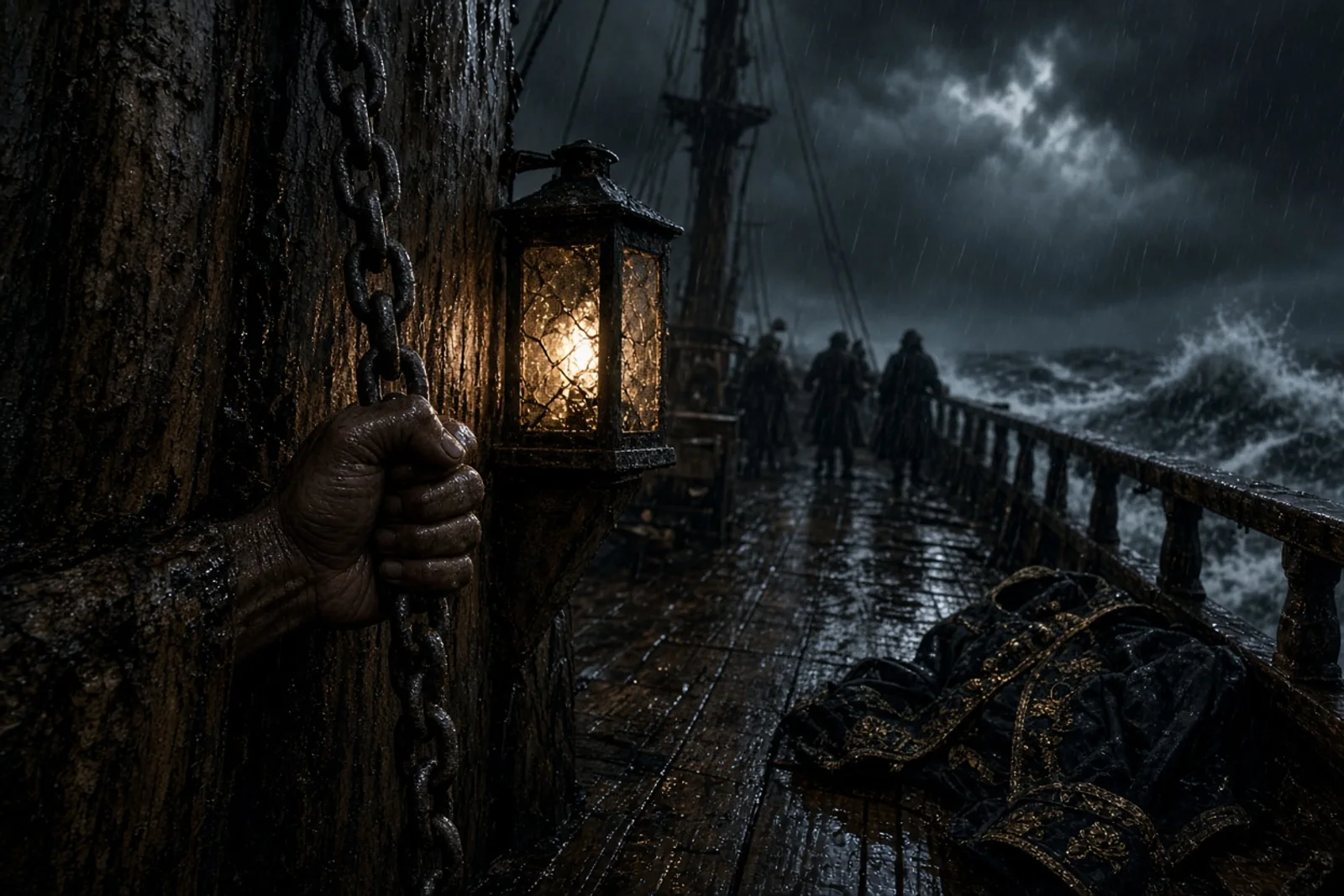
He had come back from China in 1860 half a wreck, coughing through the crossing, and the London doctor who examined him did not soften it. Never think of returning to China, the man told him, unless you wish to throw your life away. I saw Hudson's face when he repeated it to Maria. He did not argue. He simply went home and picked up his pen.

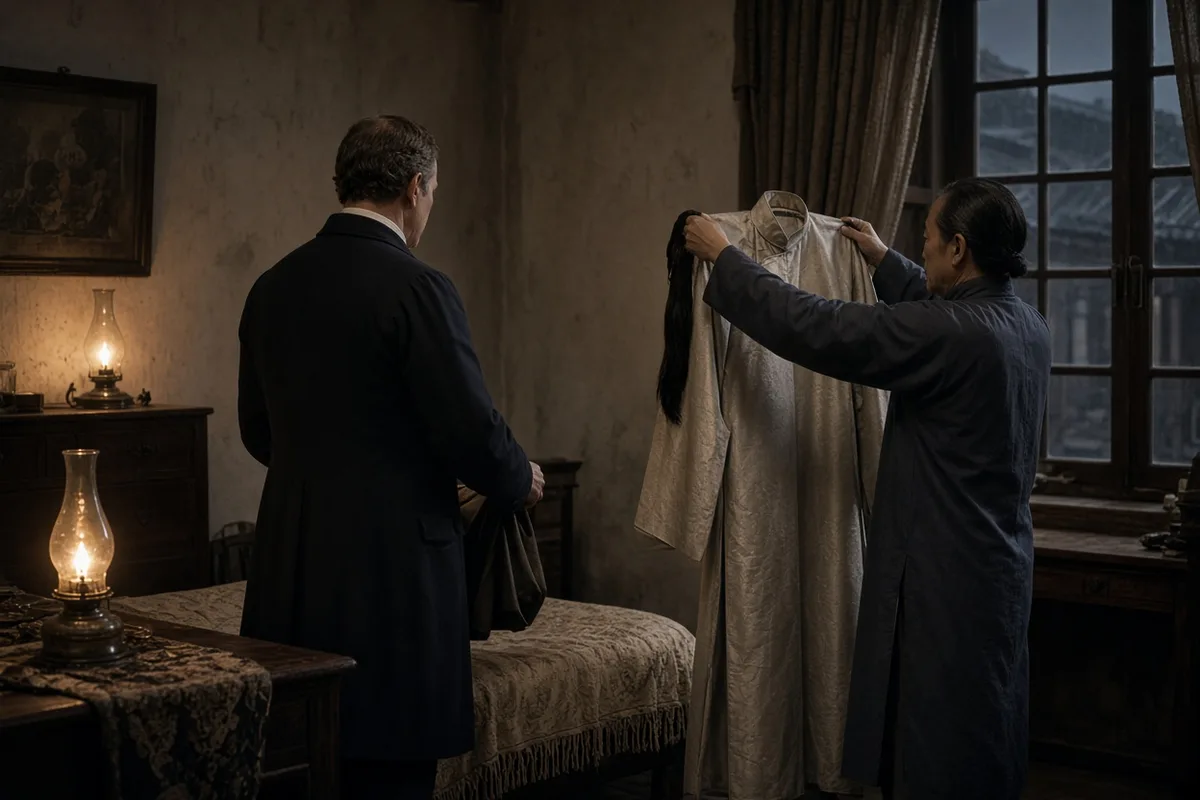
What he and Maria did instead was work. They set themselves to finishing a proper New Testament in the Ningpo dialect, and a hymnbook to go with it, because the Chinese Christians they had left behind had precious little of either. Alongside that he went back to his medical studies at the London Hospital, the ones war and fever had interrupted years before, and by 1862 he held his membership in the Royal College of Surgeons and his license in midwifery besides. He wore both hard-won and quiet, like tools he expected to need again.
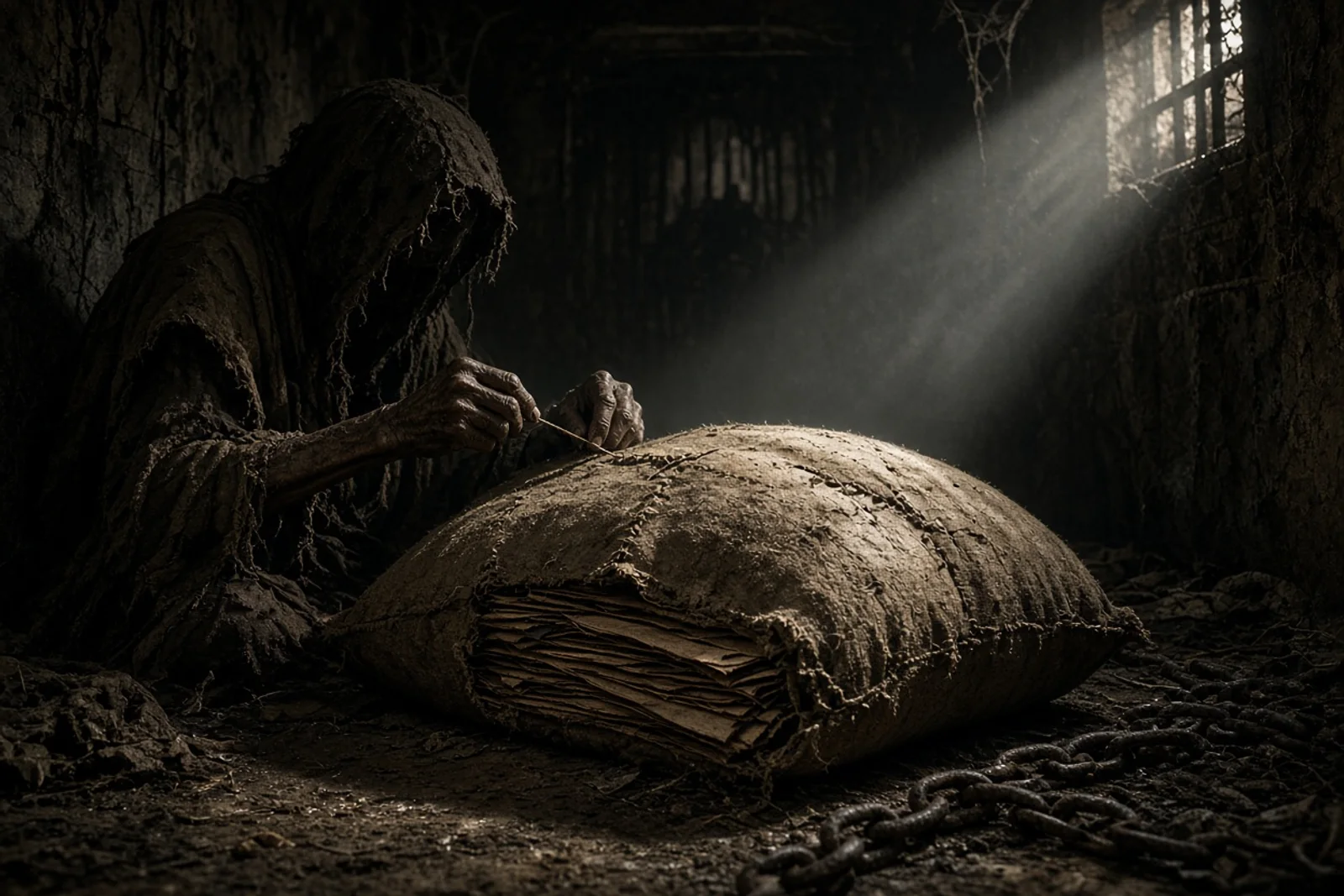
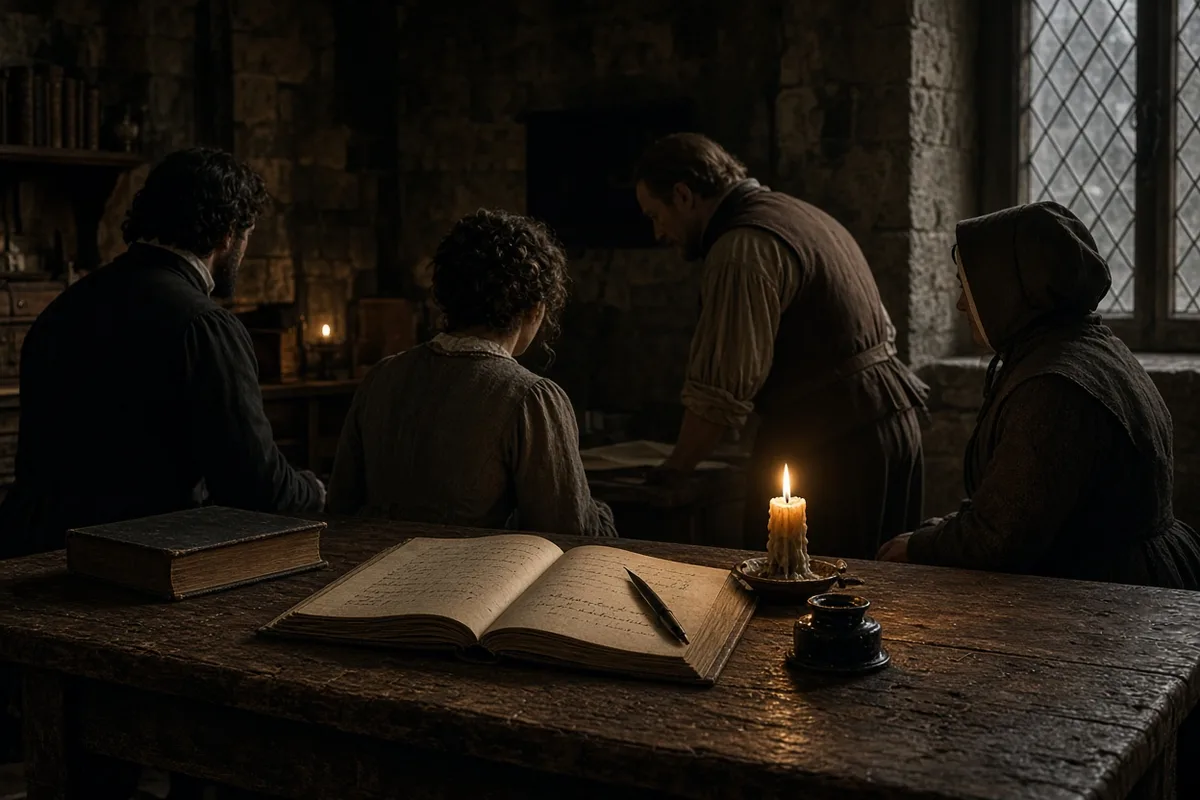
Most days he gave ten hours to the translation, sometimes twelve, Sundays kept clear by habit and conviction. I would find him at the same table each morning, characters and English glosses spread before him, correcting a phrase for the fortieth time to get the sense exactly right. It was patient, grinding, invisible work. Nobody in London applauded a man for perfecting a verb tense in Ningpo. He did it anyway.
The map is the part I keep returning to. It hung on the study wall the whole time, the Chinese empire rendered in that careful cartographer's ink, provinces colored differently along the coast where the missions had gone. He would stop translating and simply look at it. He told me once, in that quiet way he had of saying enormous things without raising his voice, that being kept in England had put him nearer the whole of China than he had ever been while laboring in one small corner of it. Distance had given him the full shape of the wound.
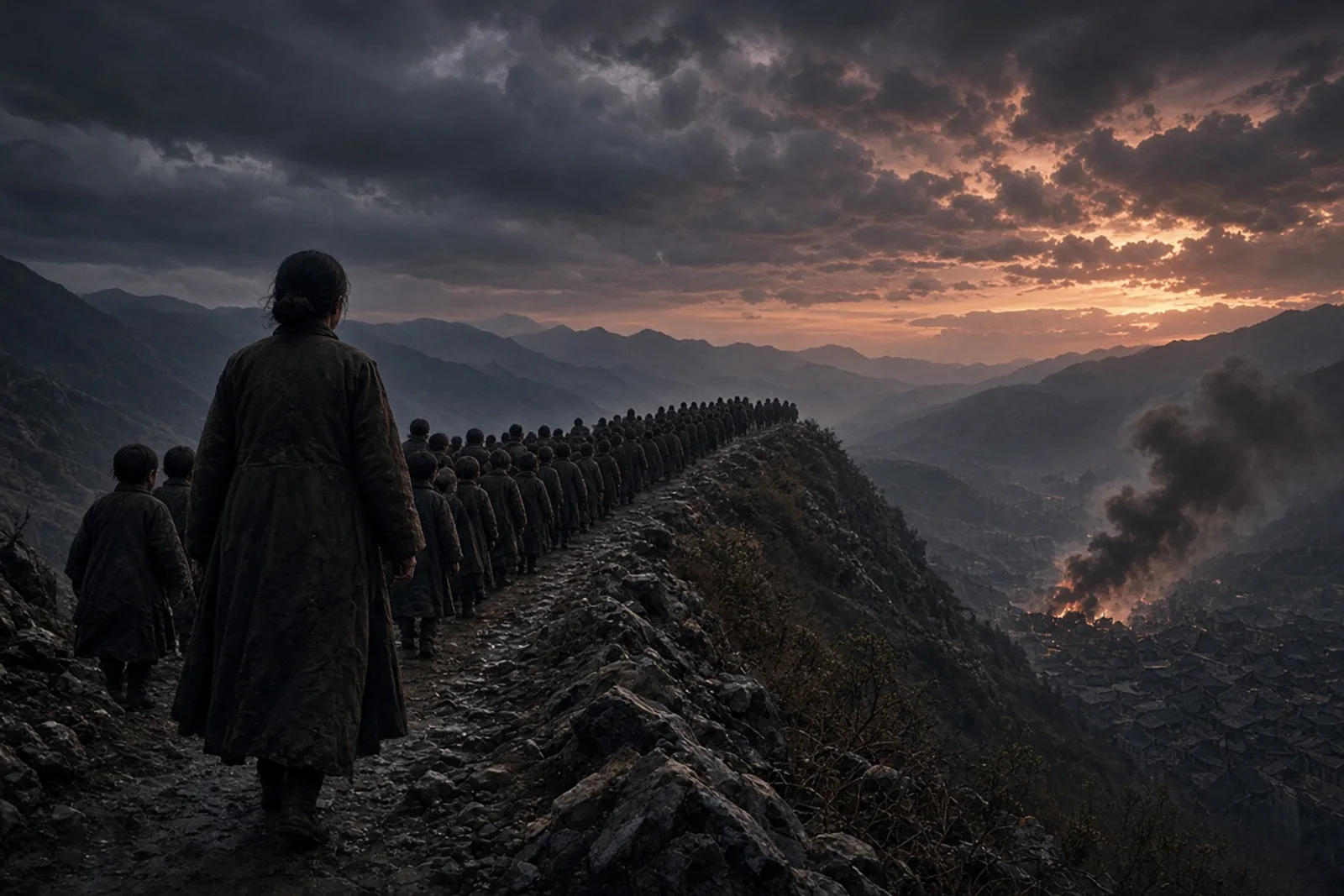
Seven provinces along the coast had missionaries in them by then, chapels, converts, however thin the work. Eleven provinces inland — two hundred million souls by the best reckoning anyone could give — had not one. Not one resident witness in the whole of that interior. He would trace the border of it with his finger sometimes, as if measuring a debt.
So he went and asked. He wrote to the missionary societies, called on their secretaries, laid the figures before men who had given their lives to exactly this cause, and every one of them told him the same thing in different words. Funds were not equal to the work already committed, let alone to a fresh mountain of it. He came back from those meetings and said very little. I think the silence cost him more than an argument would have.
By the early months of 1865 the thought would not leave him alone — that if no society would send men inland, he himself would have to raise up a mission that could. He resisted it. I watched him resist it. He would sit with his head in his hands and say the sending of it was one thing, but what of the men and women who went — trials would come, faith might falter, and would they not turn and blame him for leading them into ruin? Had he the strength to answer for that?
Underneath the argument sat a number he could not put down: a million people a month, he had come to believe, dying in China without ever hearing of Christ. It sat on him like a stone laid across the chest while he slept, if he slept at all. For two or three months running he told me he rarely closed his eyes more than an hour together, day or night, and there were mornings I saw a look on him that frightened me — a man measuring how close he stood to losing his own mind under the weight of a single fact.
Late in June he was asked down to Brighton, to the seaside home of a friend named George Pearse, meant as rest, sea air, a change of walls if nothing else. I went along, part of that loose company that drifted through Pearse's door that weekend. Nobody thought it would be the hour that mattered. It rarely announces itself.
Sunday morning we sat in a large Presbyterian congregation, a thousand souls or near it, and heard a sermon that stirred the room properly — heads nodding, hymns sung with feeling. I watched Hudson beside me and saw none of that ease reach him. He sat rigid through the whole service, and when it ended he did not linger to shake hands the way the rest of us did.
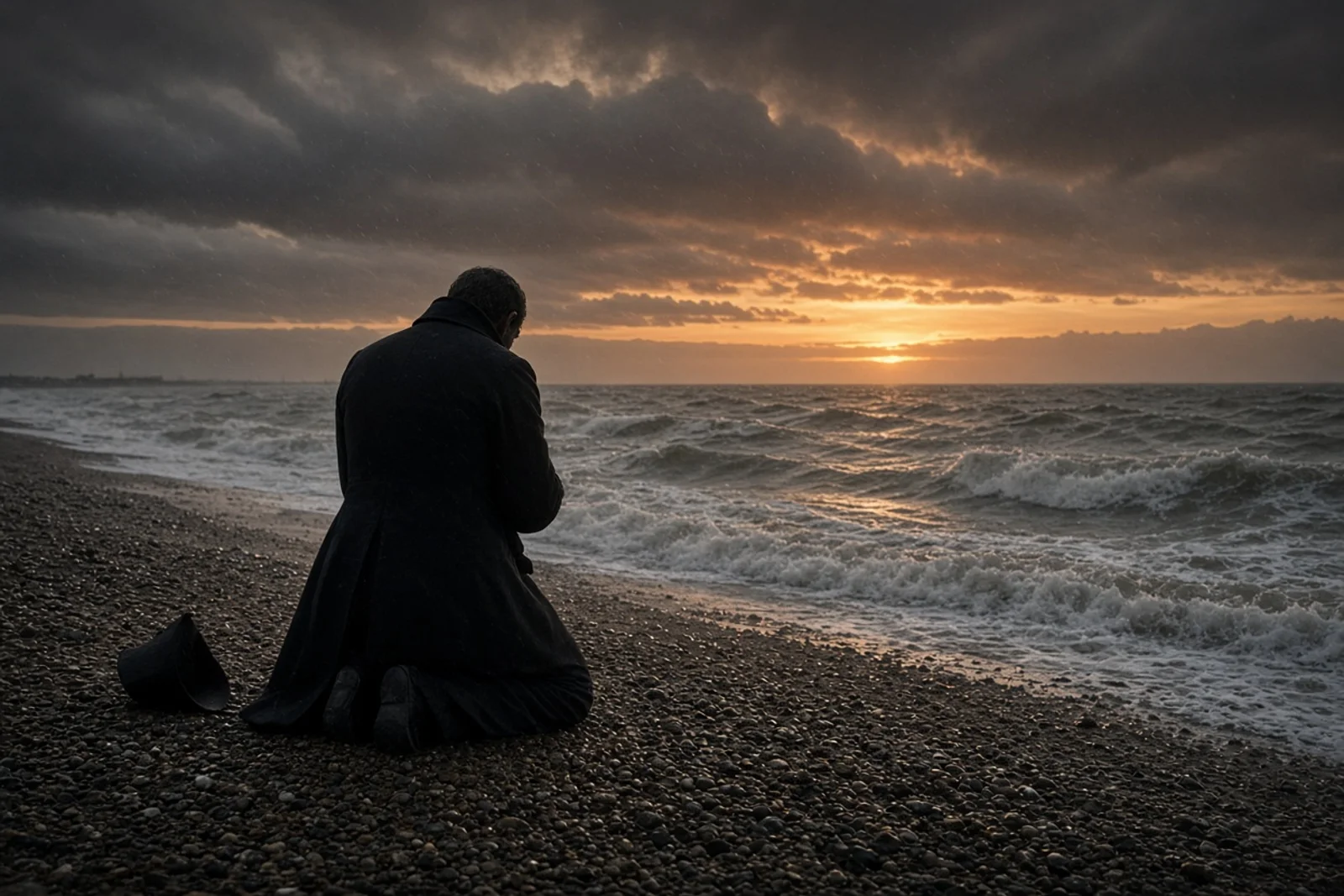
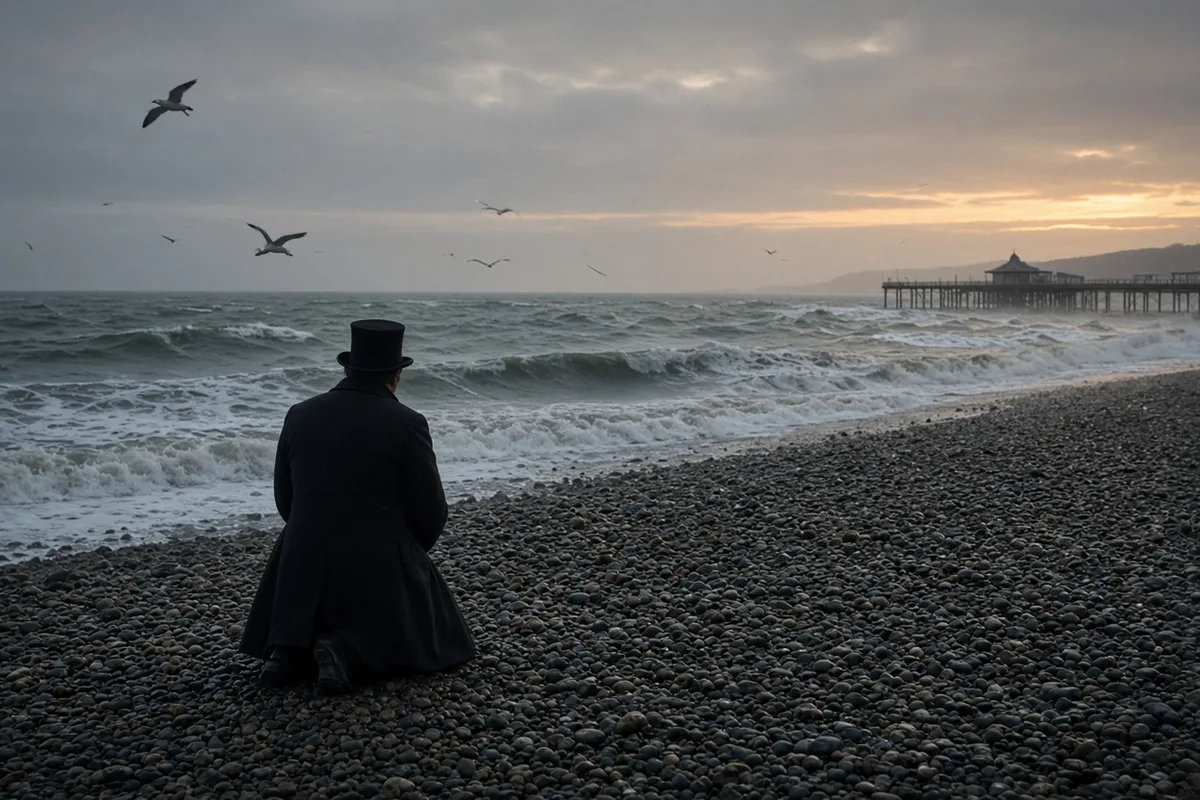
He went out from that church and down toward the shingle, alone. I did not follow close, but I kept him in sight the way you keep sight of a man you are half afraid for. He walked the tideline with his hands locked behind him, head down, and I have never seen a man's shoulders carry so much on a fine June afternoon. The gulls were loud. The water was flat and gray-green, going out.
He told me after, in pieces, over years, what had turned in him that hour — how the sight of a thousand comfortable Christians rejoicing over their own safety while two hundred million went without so much as a name for Christ had become more than he could sit still under. It was not the sermon. It was the room's contentment against the map's silence.
Somewhere along that shore, with nobody else close enough to hear the whole of it, he prayed. Divine Master, he said, I surrender myself to You for — and there the words he later set down break off, as if even on paper he could not finish naming the cost he was accepting that afternoon. Whatever came after those words, it was enough. He came back to the house lighter than I had seen him in a year, though nothing outward had changed at all.
Nothing outward, and everything else. Within days the decision had a shape. He would found a mission of his own, aimed at the eleven inland provinces no society would touch, and it would ask nothing of committees or subscription lists. It would ask nothing of anyone but God. No guaranteed salary for the men and women who went. No fund drive with his name attached. Just the work, and the faith that the work's Master would supply it.
That same year he set the whole burden down on paper, in a pamphlet called China's Spiritual Need and Claims, laying out the coastal seven and the silent eleven with the same plain figures he had carried in his own head for months. It was not eloquent for eloquence's sake. It was a man showing his ledger and asking who among the living would help him balance it.
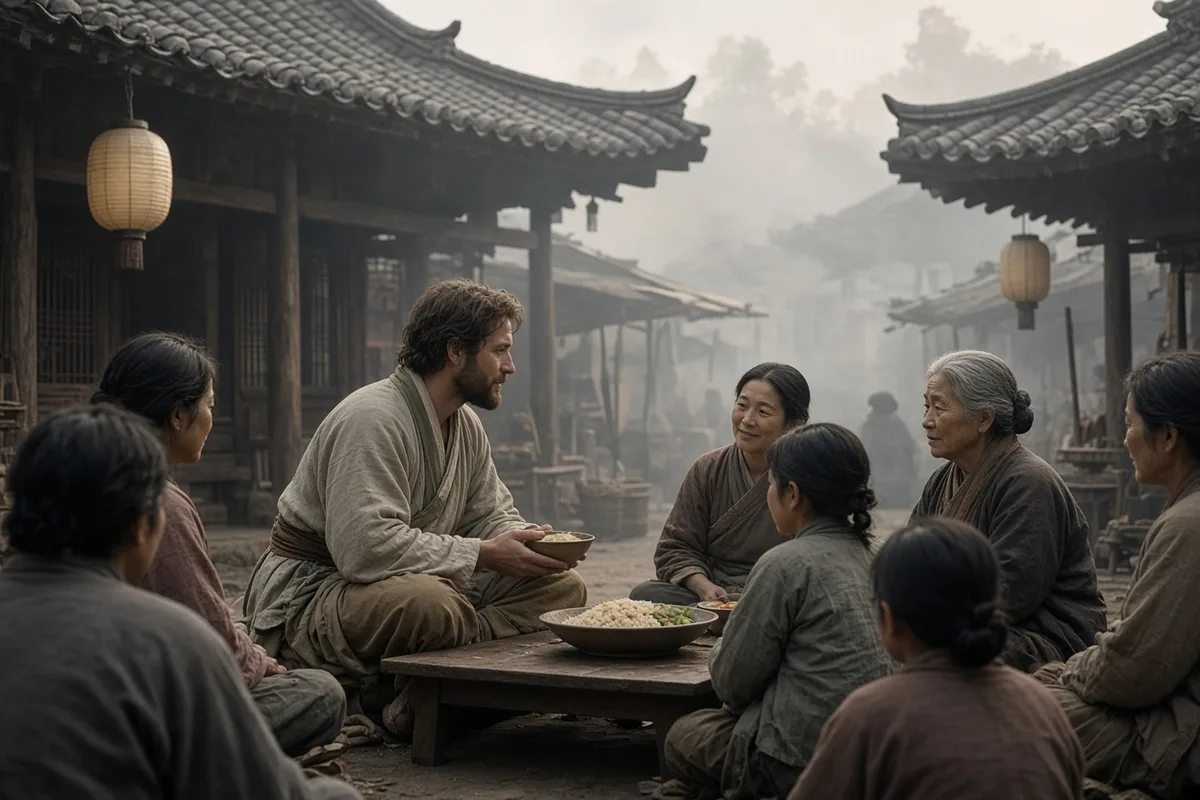
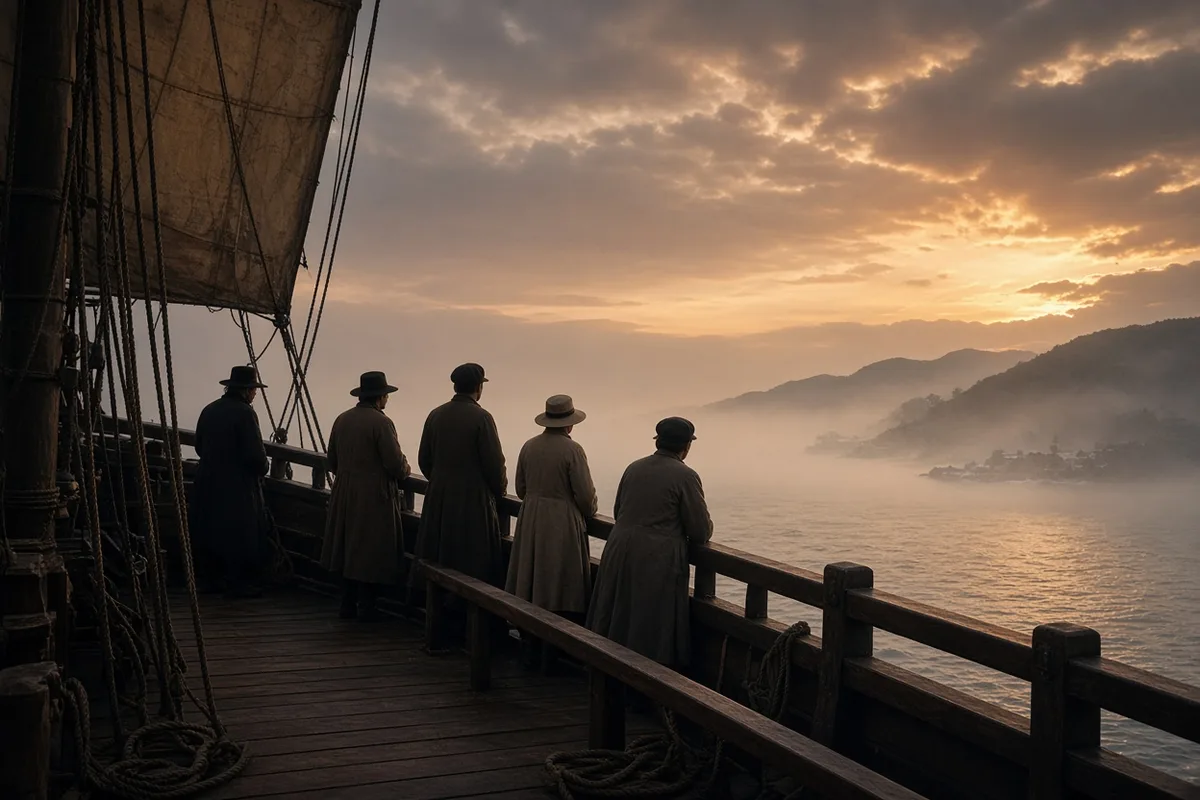
The following year, 1866, he sailed back toward China at the head of a party of twenty-two missionaries, himself and Maria among them, carrying a mission that existed on paper and on prayer and very little else. I think of that ship's manifest sometimes — twenty-two names, no endowment behind them but a promise made on a beach.
The China he had been kept from for five years took him back changed, and the mission he had founded grew the way he had refused to force it. By the time he died, decades on, the China Inland Mission counted more than eight hundred missionaries at work across every one of China's eighteen provinces, over three hundred stations, five hundred local helpers, twenty-five thousand converts standing where none had stood before. The map on the study wall, all those years, had not been wrong about the size of the need. It had simply been waiting for someone to stop measuring it and start walking into it.
Maria did not live to see the fullness of it. She died in 1870, still young, still his steadiest companion since their marriage in Ningpo in 1858, and he went on afterward the way men go on who have already given the largest thing they had to give. He spent more of the rest of his life traveling to raise up workers than he ever spent settled in one place, out of China as often as in it, keeping faith with people he had sent into provinces he himself sometimes never saw.
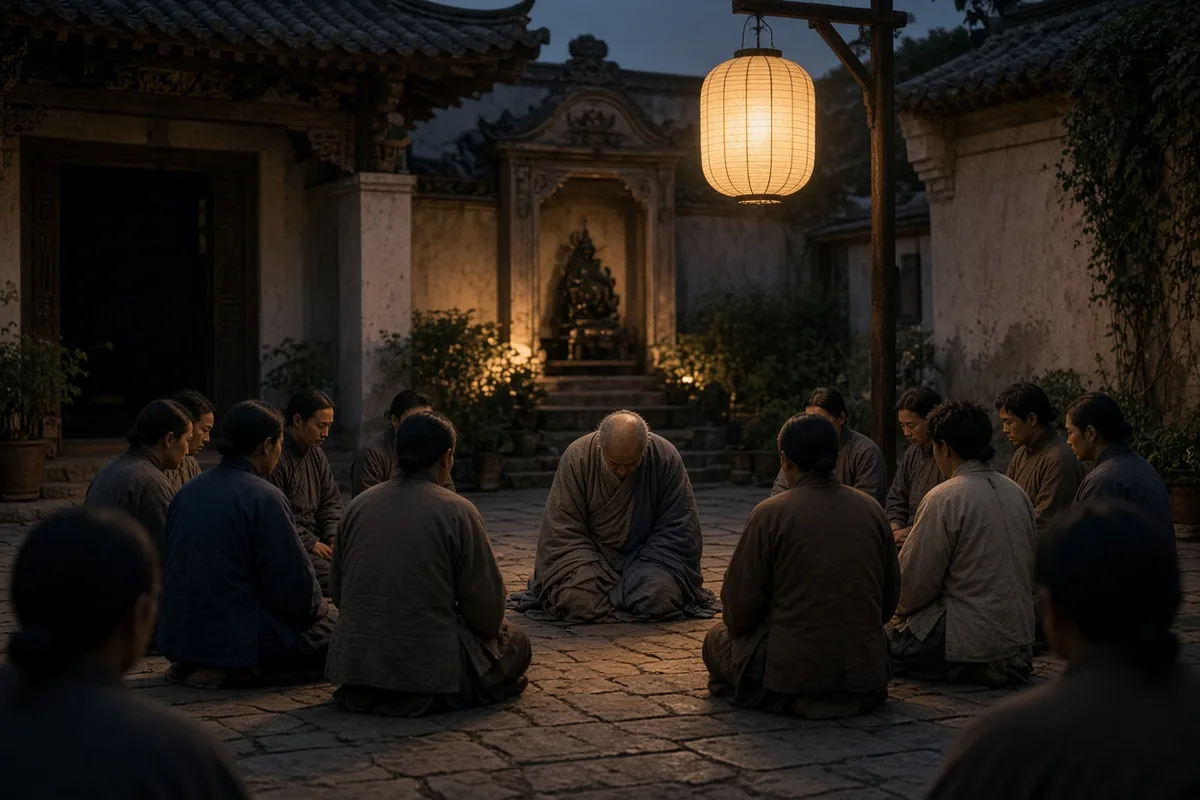
He died in 1905, in Changsha, in a province that fifty years earlier had not held a single Christian witness of any kind, and they buried him at Zhenjiang beside the wife who had gone before him. I think of that grave sometimes the way I think of the shoreline at Brighton — a place where a debt got paid, slowly, in a coin nobody could have counted in advance.
I was not present for either ending. I was only present, once, for the hour it started — a man walking a gray beach with his hands locked behind him, wrestling something no one else could see, until the wrestling stopped and he came back up the shingle a different weight than he had gone down.
The tide had turned while he walked. Nobody on that beach noticed it going out. Everyone, eventually, noticed what came in.
Comments
Free account · your comment posts right after signup