Amy Carmichael and the Temple Children
A dramatized first-person retelling of documented events
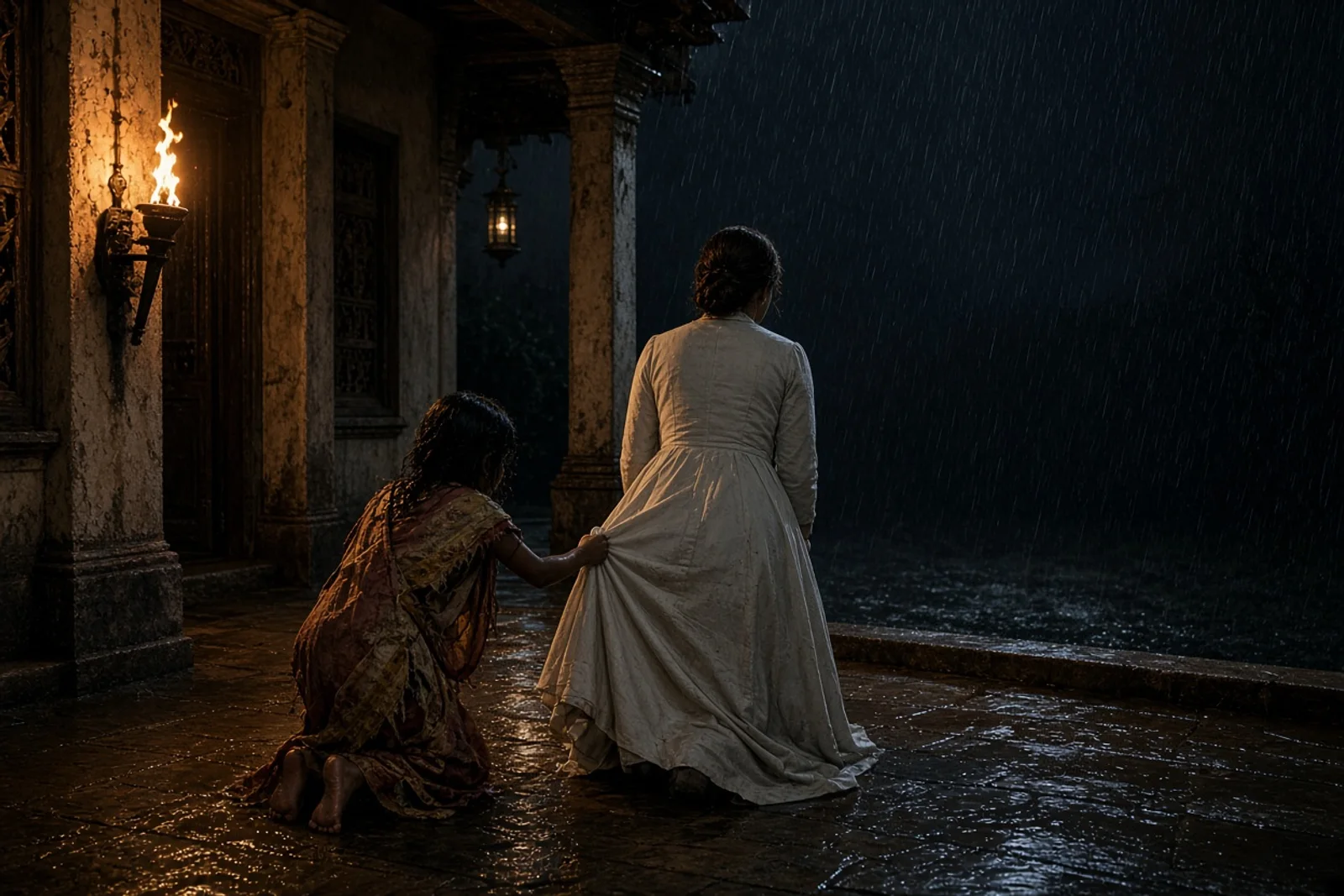
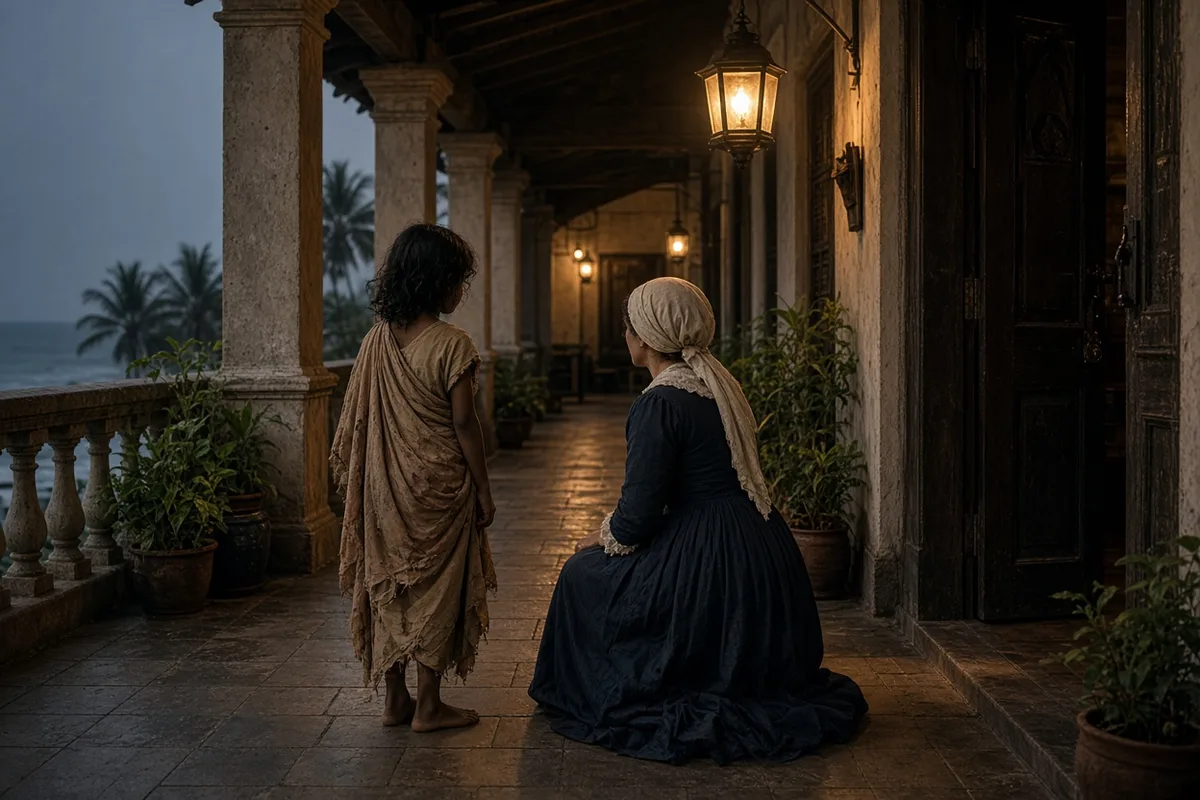
The dogs started before we did, low and worried, out past the compound wall where the dark came down thick over Tinnevelly district. I remember reaching for the lamp before I reached for my shawl, because whoever was out there at that hour was not going to be turned away by cold alone. A child's voice, high and stubborn, kept asking for someone by a name none of the local people used to my face, though I had heard it whispered behind me more than once. She wanted the child-stealing Ammal. She would not be given tea, or a blanket, or a bed for the night from anyone else. She wanted that one.
I had been three years in the mission house by then, teaching in the zenanas, going from courtyard to courtyard with my Tamil primer and my hymn book, and I thought I understood the rhythm of that work. It did not prepare me for the sixth of March, 1901, or for what walked into the lamp light that evening, small and burned and entirely certain of what she had come to ask for.

Miss Carmichael came to the door herself. She was thirty-four that year, six years out from Ireland, brown-eyed, sunburned in a way that never quite matched her fair skin no matter how the Tamil women oiled and plaited her hair to disguise her. She used to say, half laughing, that she had once knelt as a small girl in Millisle and begged God to turn her eyes blue, and that He had, in His mercy, declined. Brown eyes were no small thing in a village that watched a white face for every flicker of foreignness. It was one fewer wall between her and the people she had come to live among.
She had not always meant to live among Tamil villagers specifically. I had heard the story from her own mouth on long evenings when the heat kept us both from sleep. The oldest of seven children, raised in a family that ran out of money more than once and turned to prayer instead of panic when it did. Her father dead of pneumonia in Belfast while she was still young enough to feel the ground shift under her. She had thrown herself first into her brothers and sisters, then into the shawl-wrapped mill girls of the Belfast slums, girls the respectable congregations did not much want in their halls, until an old woman's gift of five hundred pounds bought land and timber and raised the Welcome Hall for them anyway.
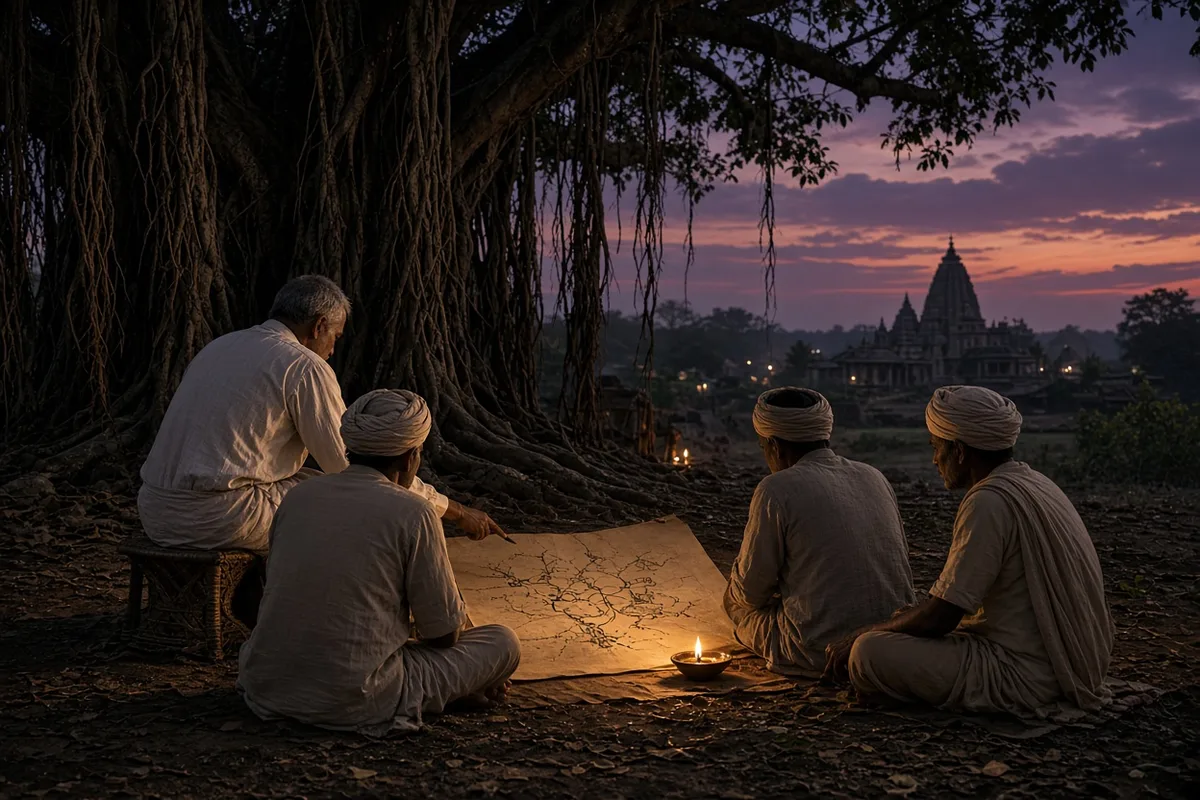
Then Keswick, in 1888, at Robert Wilson's invitation, where she had felt something close over her chest at the thought of people who had never once heard the name of Christ. She used to quote what she called the cry of the heathen the way another woman might describe a wound that had not closed. Two years after that convention she had opened her prayer log and found the words go ye staring back up at her, and she went, first meant for China, turned back by her health, out to Japan for a time, and finally to South India under the Church of England Zenana Missionary Society, to Tinnevelly, where I met her.
None of that history mattered to the child standing in our doorway. She gave her own account of herself plainly, the way children do when they have already decided the adults around them are slow to understand. My name is Pearl-eyes, she said, and I want to stay here always. I have come to stay.
We call her Preena now, though that first night I only knew her as small, thin, and marked. When I took her hands to wash them I found the burns, old enough to have crusted and new enough to still weep at the edges, laid across her palms in a pattern too deliberate to be accident. She did not flinch when I touched them. She had, I think, already decided that flinching had never once brought her mother back to her.
Her story came out over days, in pieces, the way frightened children give up the truth. She had been given to a temple as a small child, handed over by her own mother as an offering, a devotion to the gods that meant she would be raised inside those walls for a service I will not describe in detail, though every missionary in that district by then had some understanding of what awaited a girl marked that way. She had run once before, hoping foolishly that her mother might take her back rather than send her again into that life. Her mother had not. The temple women had answered her flight with the hot irons whose marks I had just finished bathing in the last of our evening light.
The second time, she did not run toward her mother at all. She ran in the dark, across a stretch of water I still cannot picture without a chill, alone, seven years old, until she came upon a church in the village of Pannaivilai, a building she could not have known would matter to her, except that it was not the temple, and that was enough that night. Someone there knew where the Ammal could be found. By morning she had been brought the rest of the way, and it was then, in daylight, that she put her arms around Miss Carmichael's neck and called her Amma, as if the word had been waiting in her mouth the whole journey.
I want to say we understood, standing there, what we were witnessing. We did not. We thought we had taken in one runaway child, one more mouth for the mission house, one story to write home about in the quarterly report. We had no way yet of knowing that the temple system Preena had escaped ran wider and deeper than any of us had let ourselves ask about, that behind every dedicated girl stood a whole traffic in children that the polite language of devotion had been built specifically to hide.
It did not take long for that traffic to make itself known to us anyway. Once it was understood in the district that a foreign woman would take in a temple child and not send her back, other children began to appear, brought by relatives, by converts, sometimes arriving the way Preena had, on their own feet, having heard somehow that such a woman existed. Miss Carmichael began writing home about what she was finding, plainly, without the softening that her supporters in England seemed to want from her. She wrote once that as her people pressed further into the underlife of the country, secret sources of traffic in the bodies and souls of children were uncovered, things hateful even to know, and I watched more than one letter from home come back asking her to write of something more encouraging instead.
She did not stop. I think it was somewhere in those first years that the shape of her calling changed under her without her quite choosing it, from a woman who traveled village to village preaching and teaching, to a woman who stayed in one place because staying was the only way to keep what she had already gathered safe. She had come out to India to bring the gospel to people who had not heard it. She found herself instead building walls around children who had heard, from their own flesh, exactly what the world intended to do with them, and who needed somewhere those hands could not reach again.
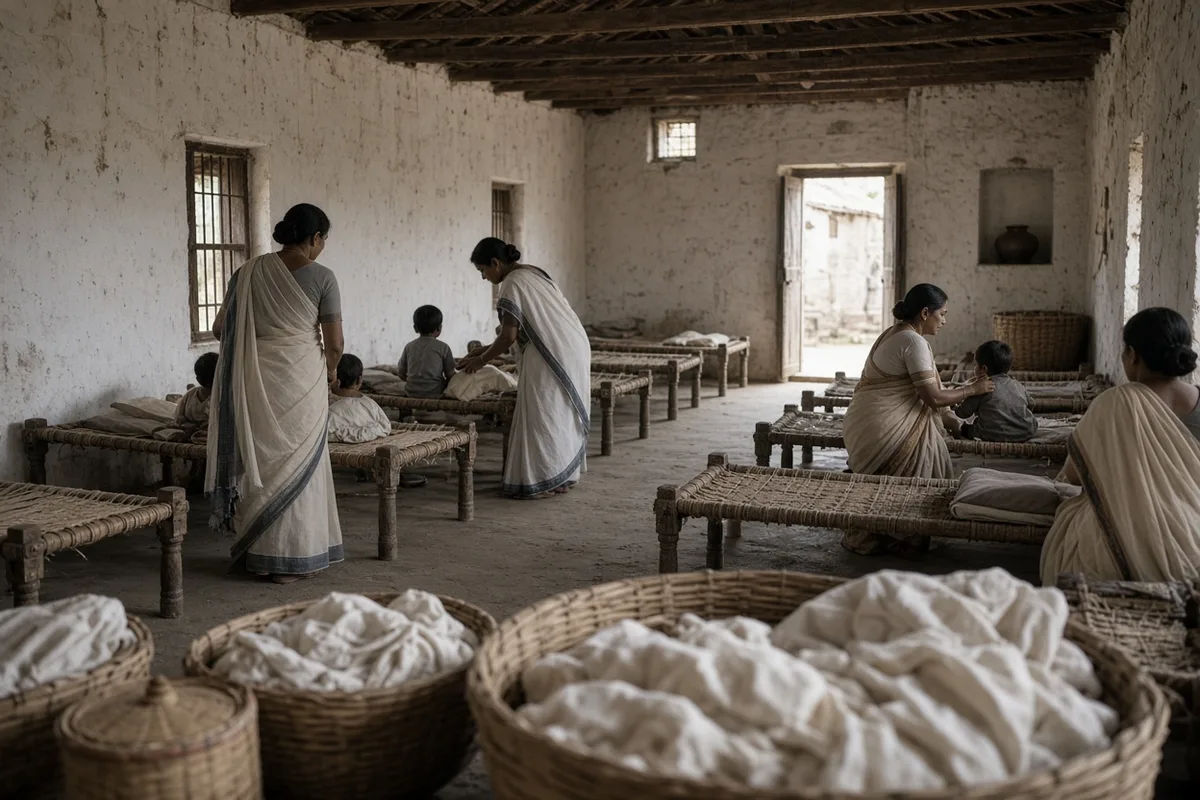
Mr. and Mrs. Thomas Walker joined the work in those years, steady where she was fierce, and between them a small household of rescued children became something closer to an institution, though none of us called it that. By 1904 there were more than thirty children in what we had started calling Amma's family. By 1907 the number had passed seventy. I remember counting heads at a mealtime once and losing track, which had never happened in the early days when I could still name every child in the compound before the rice was served.
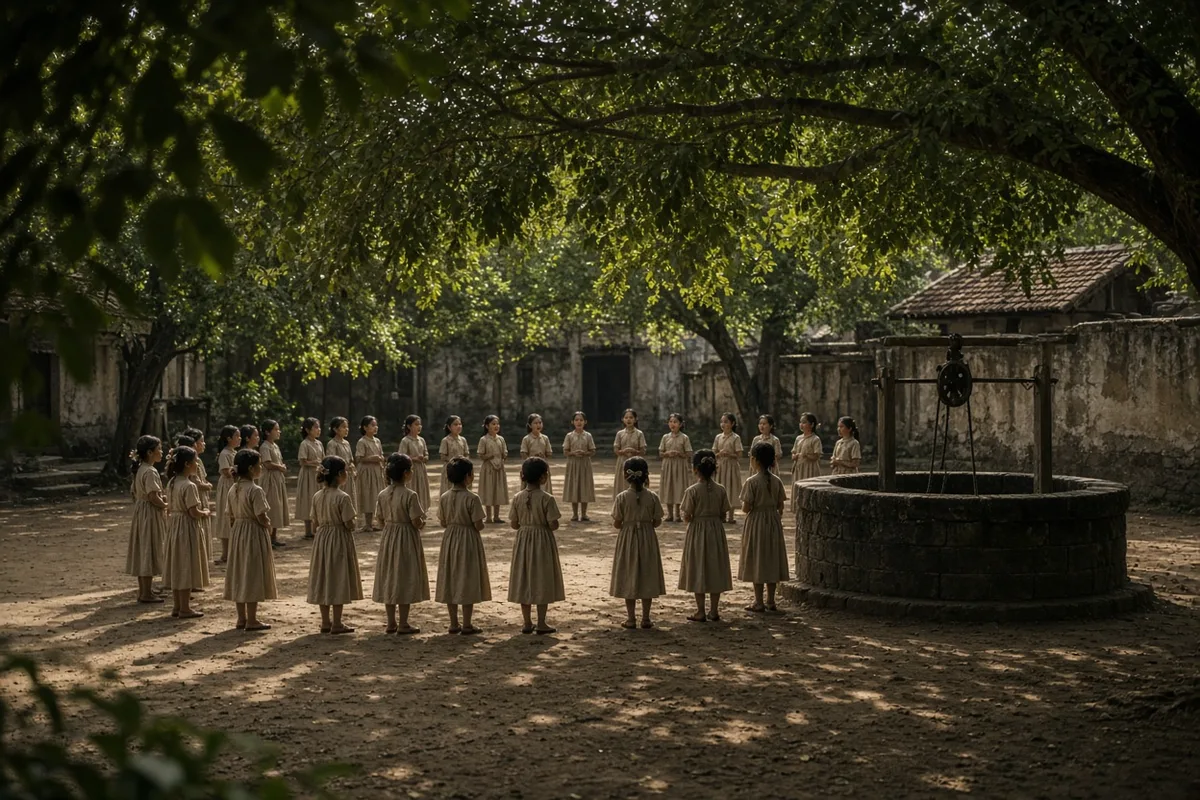
The place took a name of its own eventually, Dohnavur, and it grew the way a family grows rather than the way an institution grows, which is to say untidily, with laughter breaking out where you least expected it and grief arriving the same way. Scripture in the morning, the fields and the trees treated as a second scripture in their own right, hard physical work for everyone old enough to lift a basket, because Miss Carmichael did not believe idle hands made for safe souls. By 1913 more than one hundred and thirty children called that compound home. Five years later a house was built for boys as well, because the traffic she had uncovered did not spare them either.
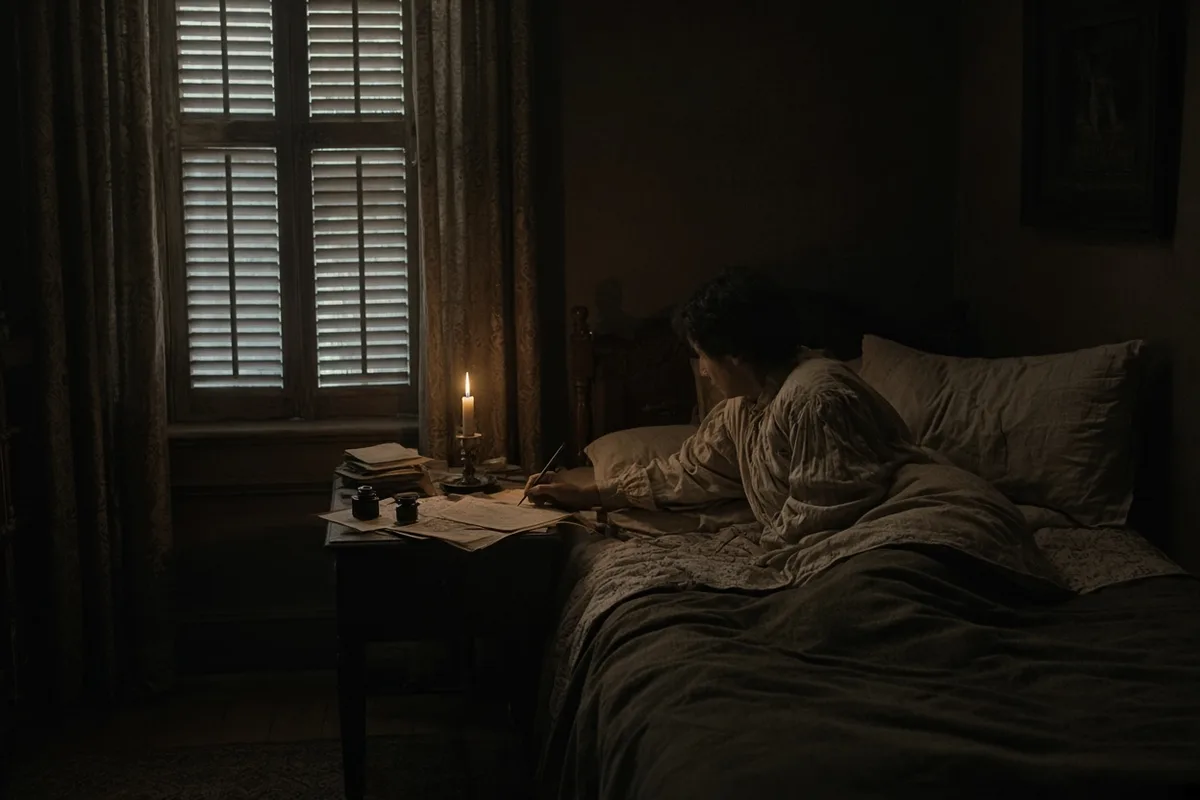
It was not all gratitude and open doors. I heard the talk among some of our fellow missionaries, and among Indian Christians too, of a movement, half joking and half in earnest, to see Miss Carmichael removed from the field altogether, her methods too reckless, her certainty too total, her refusal to compromise wearing thin on people who had to live and work alongside her. She knew about it. She did not change course for it. I never once saw her treat a piece of resistance as a reason to soften what she had already decided God had shown her.
What she had decided, more than once, in words I heard her repeat to newer workers arriving green off the boat, was that these were little temple girls who could never fight for themselves, and that someone standing near enough to see it had an obligation that outweighed comfort, reputation, even her own health. I noticed, watching Preena those first years, that the child who had walked out of a temple compound at seven and crossed water alone in the dark had already done a fair amount of fighting on her own account before any Ammal arrived to help her. Miss Carmichael never claimed otherwise in what she said to us privately, whatever the printed reports made of it for readers back home who wanted a simpler story.
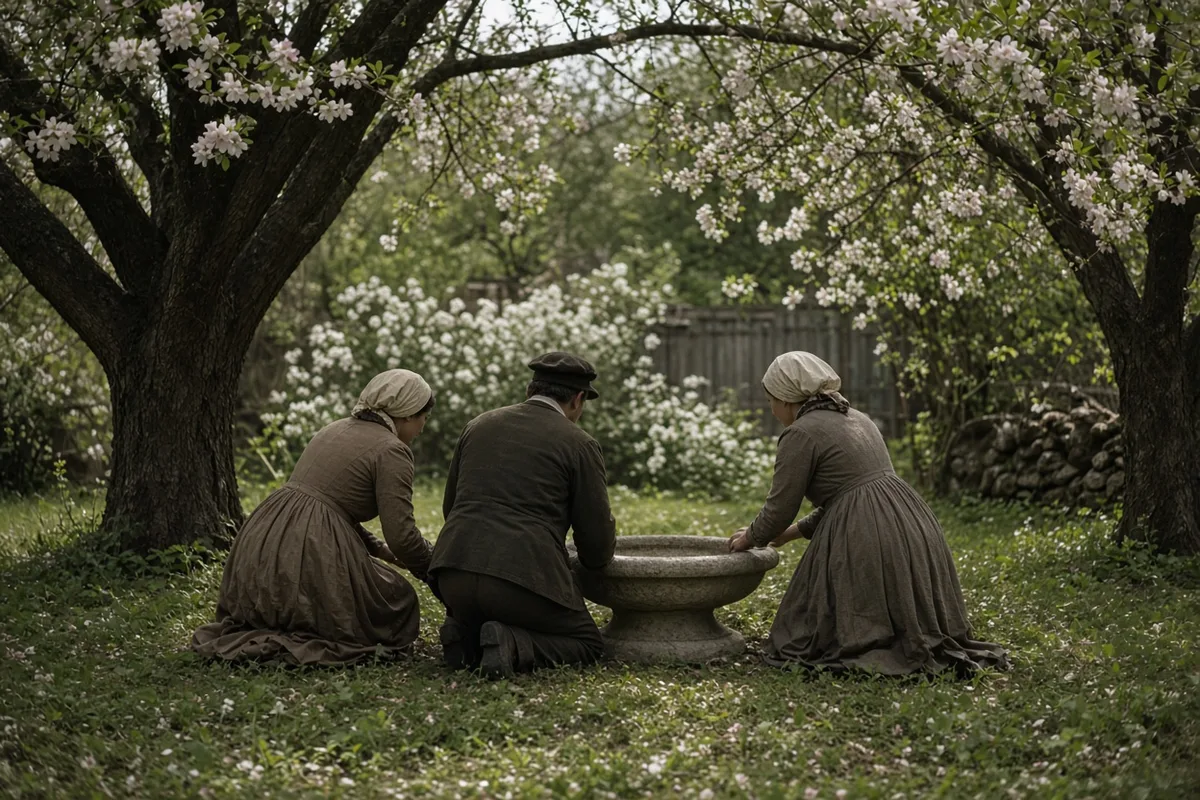
She went home to Ireland exactly the number of times her fellow missionaries expected before her calendar stopped matching theirs. That is to say, after Preena, she stopped going home at all. Furloughs were the ordinary rhythm of mission life, a few years out, a season back among family and supporting churches, then back to the field restored. She never took one again. Whatever wore at her over the following decades, and much did, she chose to wear it out in India rather than spend a single season of it elsewhere.
I think of that choice more than almost anything else when I think of her now, more than the burns on Preena's hands or the growing numbers in the ledger, because it was the plainest evidence of what had actually happened to her that March evening. A missionary who had come out under Keswick's banner to preach to villages had become, without ever quite announcing the change, a mother to a household that would eventually run into the hundreds, and a mother does not take furloughs from her own children.
The dogs still barked some nights at the compound wall in later years, and every time I heard it I thought of that first evening, the small stubborn voice insisting on the child-stealing Ammal, refusing every kindness that was not the one she had walked so far to ask for. Fifty-five years she gave to that country in the end, and it began, as near as any of us who were there could ever pin it down, with a seven-year-old's scarred hands held out in the lamp light, and a woman who did not send her back.