Arctic tundra greens as warming accelerates
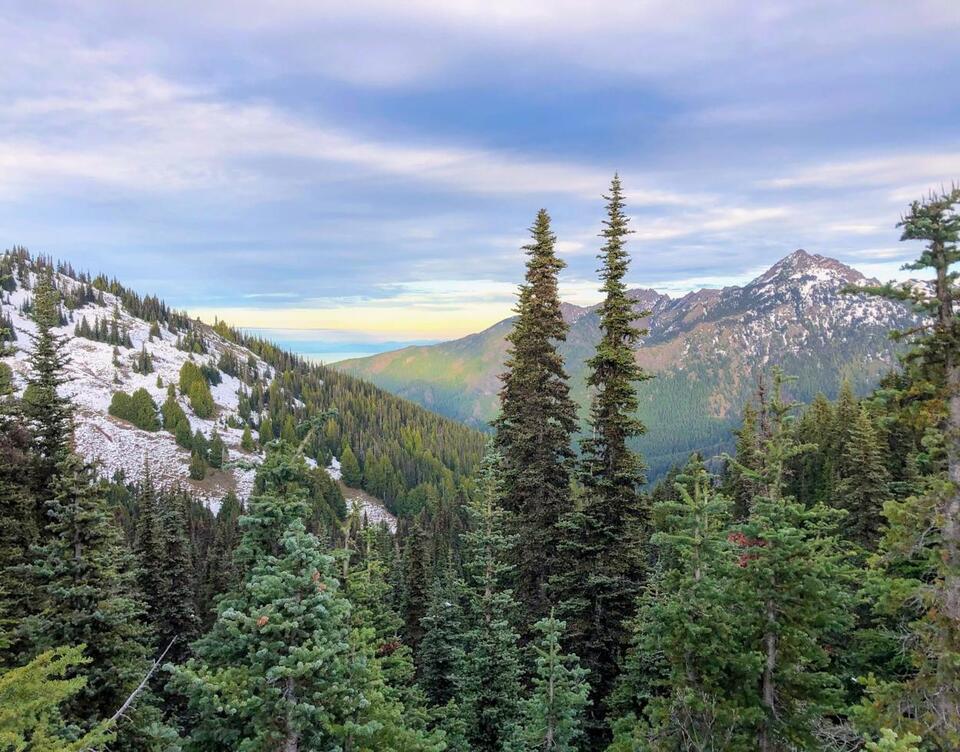
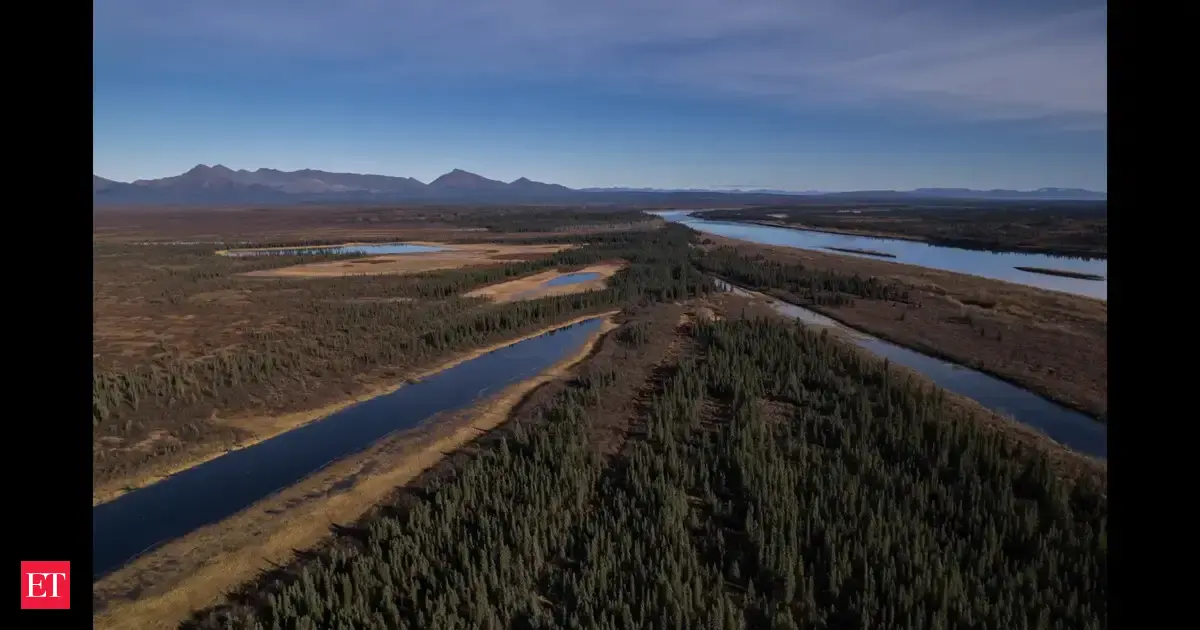
Arctic Alaska’s North Slope tundra is warming rapidly, about 2.7C warmer than four decades ago, enabling dwarf birch and rhododendrons to grow taller and allowing shrubs to encroach into previously treeless areas, which can alter snow cover, ground warming, and methane release from soil microbes while potentially offsetting some carbon uptake. This vegetation shift is also changing waterway conditions as shade from new shrub growth affects streams and the species that rely on them, and researchers are studying whether Arctic plants will adapt through evolution or cooperative interactions. Studies from the Toolik Field Station show that the extreme cold and shallow snow have historically kept plant life small, but warming is stretching the “mini jungle” and highlighting how quickly Arctic ecosystems may reorganize. Separately, a broader mountain-tree study finds that climate-driven shifts are uneven: species with water-moving wood are moving upslope, while drought-tolerant species expand downslope, with box elders and cypress among those rising fastest and some oaks and wattles moving downward, illustrating that trait-based responses shape forest futures. Researchers underscore that understanding these trait-driven patterns helps predict tomorrow’s forests as temperatures continue to rise. Overall, these studies depict a world where warming reshapes plant communities from the Arctic tundra to alpine forests, with cascading effects on biodiversity, hydrology, and carbon dynamics.