Overview
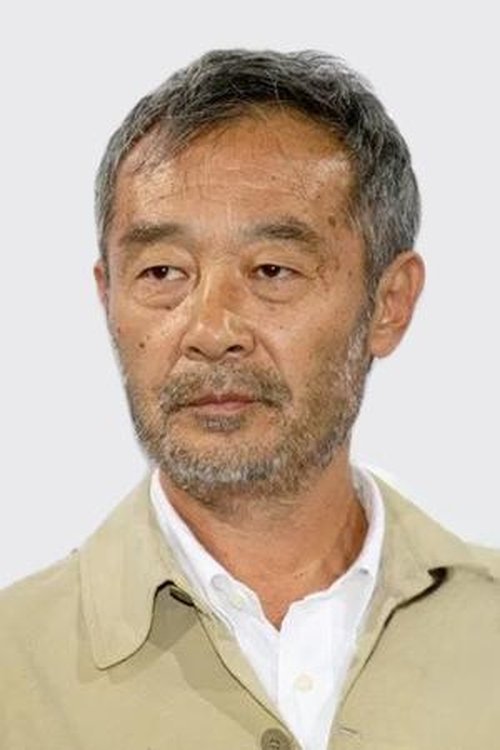
Tian Zhuangzhuang (; born April 1952 in Beijing) is a Chinese film director, producer and actor.
Tian was born to an influential actor and actress in China. Following a short stint in the military, Tian began his artistic career first as an amateur photographer and then as an assistant cinematographer at the Beijing Agricultural Film Studio. In 1978, he was accepted to the Beijing Film Academy, from which he graduated in 1982, together with classmates Chen Kaige and Zhang Yimou. The class of 1982 collectively would soon gain fame as the so-called Fifth Generation film movement, with Tian Zhuangzhuang as one of the movement's key figures.
Tian's early career was marked both with avant-garde documentary infused films (On the Hunting Ground (1985), The Horse Thief (1986)) to more commercial fare (Li Lianying: The Imperial Eunuch (1991)). In 1991, Tian began work on a quiet epic about one of modern China's darkest moments. This film, The Blue Kite (1993), would eventually result in Tian's nearly decade long exile from the film industry, an exile he returned from with Springtime in a Small Town (2001). Throughout the 2000s, Tian Zhuangzhuang returned to the fore of Chinese cinema, directing films like the biopic The Go Master (2006) and the historical action film The Warrior and the Wolf (2009). Since his banning after the release of The Blue Kite, Tian has also emerged as a mentor for some of China's newest film talents, and he has helped produce several important films for these new generations of directors.
Early life
Tian Zhuangzhuang was born on April 23, 1952, in Beijing. He was the son of Tian Fang, a famous actor in the 1930s who became head of the Beijing Film Studio after 1949, and Yu Lan, an actress who later ran the Beijing Children's Film Studio. Given his parents' busy jobs as studio chiefs, Tian was raised primarily by his grandmother, though his parents' positions also allowed him to live a relatively comfortable childhood. But because of the Tians' prominence, Tian Zhuangzhuang suffered heavily during the Cultural Revolution, and both his parents were persecuted. Unlike fellow director Chen Kaige, however, Tian never joined the Red Guards, and was eventually sent to the countryside in Jilin, like many youths from so-called "bad families."
From Wikipedia (CC BY-SA 4.0).