Overview
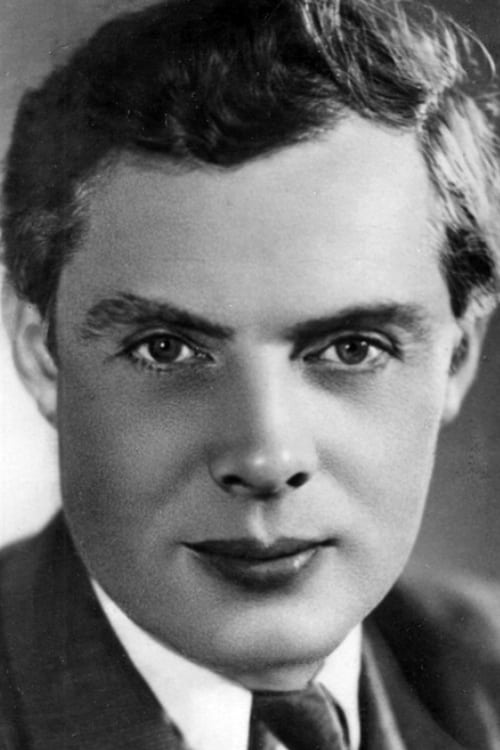
Pavel Petrovich Kadochnikov (; – 2 May 1988) was a Soviet and Russian actor, film director, screenwriter and pedagogue. People's Artist of the USSR (1979) and Hero of Socialist Labour (1985).
Biography
Pavel Kadochnikov was born in Petrograd in 1915. In 1927, he entered a children's artistic studio, dreaming to become a professional artist, but, because of the severe illness of his father, Pavel, as the elder in the family, was forced to become the apprentice to a metal craftsman. However, he continued to study in the studio. In 1929, he entered the actor's department of theatrical school of TYuZ. In 1935, he graduated from Leningrad Theatrical Institute and until 1944 was an actor in Leningrad's New TYuZ.
He began to act in the cinema in 1935. His first role was Mikhas in the film Maturity. Kadochnikov was not pleased the way he looked on the screen in his early roles, and he decided to never play in the cinema again. He did not stand by this decision. In 1937, he accepted Sergei Yutkevich's invitation and appeared in a minor role in the film The Man with the Gun. In many plays he performed several roles; in one of them he performed at once eight roles. In 1940, he played the roles of worker Lenka Sukhov and writer Maxim Gorky in the film Yakov Sverdlov directed by Sergei Yutkevich. In Ivan the Terrible by Sergei Eisenstein he not only conducted the tragic line of the pretender Vladimir of Staritsa, but also played two small roles (of Chaldean and Yevstafy).
His actor's range can be seen in his lyric roles (Anton Ivanovich is Angry, The Tamer of Tigers) and in the role of Major Fedotov in the Secret Agent by Boris Barnet. The role of Major Fedotov was a cult character of Soviet cinema which mixed the pathetics, manly charm and irony. For the roles he took in the patriotic movies he won the Stalin Prize (in 1948 for the Secret Agent, in 1949 for the role of Aleksey Maresyev in the Tale of a True Man, in 1951 for the role of Kovshov in the film Far from Moscow). Time and again actor appeared in the role of Maxim Gorky. From the 1960s onwards, he began to move away from patriotic roles.
From Wikipedia (CC BY-SA 4.0).