Overview
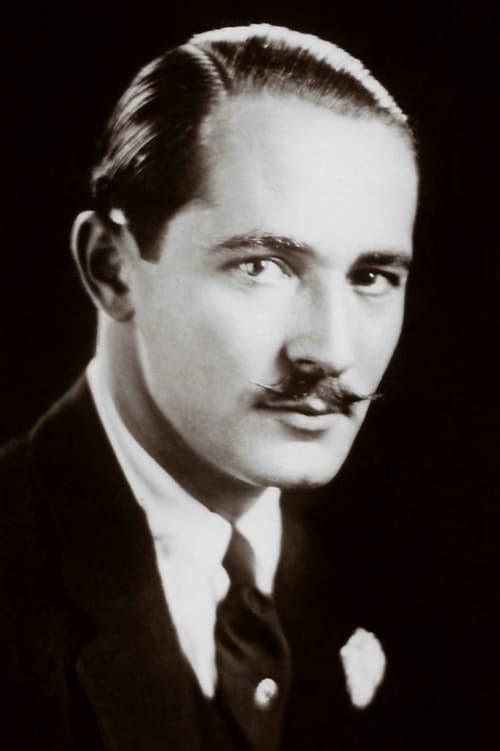
Norman Kerry (born Norman Hussey Kaiser, June 16, 1894 – January 12, 1956) was an American actor whose career in the motion picture industry spanned twenty-five years, beginning in 1916 and peaking during the silent era of the 1920s. Changing his name from the unmistakably German "Kaiser" at the onset of World War I, he rose quickly in his field, becoming "the Clark Gable of the [1920s]."
Kerry often played the heroic dashing swashbuckler or the seductive lothario. He was extremely popular with female fans. On a personal level, Kerry was known as a prankster and was said to have a wonderful sense of humor and to be very popular. He also achieved some recognition as a dog fancier, maintaining kennels at his home that were "known throughout the world among lovers of aristocratic dogs." As his film career waned in the 1930s, he became known as an international bon vivant and adventurer who lived in the French Riviera and even joined the French Foreign Legion.
Film career
Kerry made his first film appearance in the 1916 comedy Manhattan Madness, starring Douglas Fairbanks and directed by Allan Dwan. Dwan needed young people with horses to appear in a scene and Kerry volunteered himself and his friends to fill that need. The following year, Kerry rose to leading actor status in A Little Princess, playing opposite actress Mary Pickford. He again appeared with Mary Pickford in 1918, in Amarilly of Clothes-line Alley, and that in turn led to his being chosen by Constance Talmadge as her leading man in Up the Road with Sallie. He was "on his way!"
From Wikipedia (CC BY-SA 4.0).