Overview
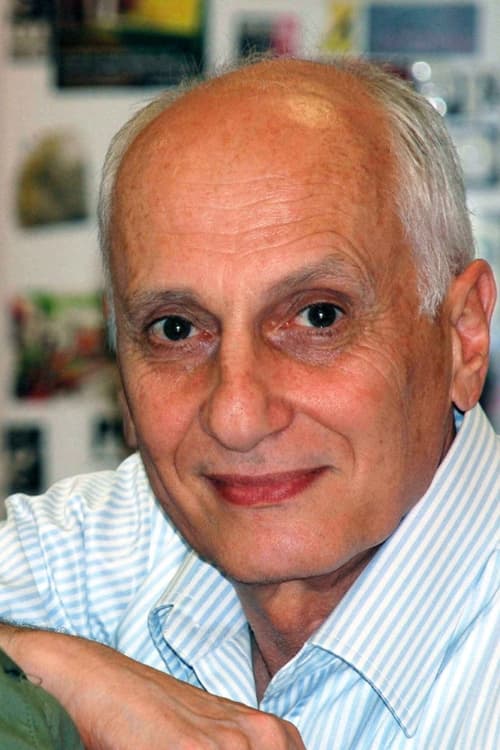
Michel Ocelot (; born 27 October 1943) is a French writer, designer, storyboard artist and director of animated films and television programs (formerly also animator, background artist, narrator and other roles in earlier works) and a former president of the International Animated Film Association. Though best known for his 1998 debut feature Kirikou and the Sorceress, his earlier films and television work had already won Césars and British Academy Film Awards among others and he was made a chevalier of the Légion d'honneur on 23 October 2009, presented to him by Agnès Varda who had been promoted to commandeur earlier the same year. In 2015 he got the Lifetime Achievement Award at the World Festival of Animated Film - Animafest Zagreb.
Biography
He was born in 1943 to a Catholic family then in Villefranche-sur-Mer, on the French Riviera, who relocated to Guinea, West Africa for much of his childhood, moving back to Anjou in France during his adolescence. As a teenager he played with and created toy theatre productions and was inspired to become an animator through viewing Hermína Týrlová's Vzpoura hraček (The Revolt of Toys, 1946) and discovering a book on DIY stop motion animation. He was never formally taught animation, however, and instead studied the decorative arts, first at the Ecole régionale des Beaux-Arts in Angers, then the École nationale supérieure des arts décoratifs in Paris and the California Institute of the Arts in Los Angeles. He now lives and operates from an atelier-apartment in Paris.
His œuvre is characterised by having worked in a variety of animation techniques, typically employing a different medium for each new project, but almost exclusively within the genres of fairy tales and fairytale fantasy. Some, such as Kirikou and the Sorceress, are loose adaptations of existing folk tales, others are original stories constructed from the "building blocks" of such tales. He describes the process as "I play with balls that innumerable jugglers have already used for countless centuries. These balls, passed down from hand to hand, are not new.
From Wikipedia (CC BY-SA 4.0).