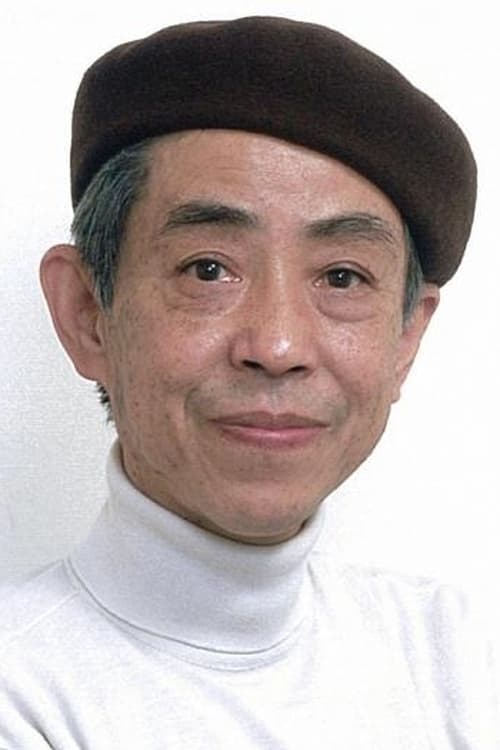
Fujiko Fujio (藤子 不二雄) was a manga writing duo formed by Japanese manga artists Hiroshi Fujimoto (藤本 弘, Fujimoto Hiroshi; December 1, 1933 – September 23, 1996) and Motoo Abiko (安孫子 素雄, Abiko Motoo; March 10, 1934 – April 6, 2022). They debuted in 1951 as a duo under their real names. The Fujiko Fujio name was used for their respective works from 1953 until 1987, when Fujimoto became too ill to work consistently.
The pair was best known for their popular children's manga series, including Obake no Q-Tarō, Ninja Hattori-kun, Kaibutsu-kun, Perman, Kiteretsu Daihyakka and Doraemon. Some of their influences include Osamu Tezuka as well as international cartoons and comic books. Both artists base their writing style on a mix of morals with a subversive and wry sense of humor; their styles would evolve to the point of diversion, where Fujimoto focused on speculative science fiction in addition to children's works, while Abiko leaned towards the surreal and black comedy.
Their work received critical acclaim and, on Fujimoto's part, universal recognition, with Doraemon being officially recognized as a cultural icon of modern Japan.
Contents
Pen names
For many years after their debut, they collaborated and wrote individually under one pen name. However, after 1988, they published under separate names.
Fujiko Fujio
From July 1953 to around January 1988, the two published both collaborations and individual works under one pen name, Fujiko Fujio (藤子 不二雄).
Fujiko F. Fujio
Fujimoto used the pen name Fujiko F. Fujio, stylized as Fujiko・F・Fujio (藤子・F・不二雄), from 1989 until his death.
Fujiko A. Fujio
Abiko used the pen name Fujiko Fujio A, stylized as Fujiko Fujio Ⓐ (藤子不二雄Ⓐ), from 1988 until his death. His pen name is romanized as Fujiko A. Fujio in Western publications.
Biography
Hiroshi Fujimoto and Motoo Abiko were both from Toyama Prefecture. Fujimoto was born on December 1, 1933, and Abiko on March 10, 1934. Abiko transferred to Fujimoto's elementary school in Takaoka City and happened to see Fujimoto drawing in a notebook. The two became lifelong friends, and during the early years of their friendship kept their illustrations hidden from friends and classmates out of embarrassment.
In junior high school they were greatly influenced by Osamu Tezuka and his manga series Shin Takarajima. Fujimoto built a homemade episcope and together they wrote a piece for it called Tenküma, which was their first collaborative work. They started submitting work to periodicals such as Manga Shōnen and opened a joint savings account through Japan Post to which they both contributed funds and which they used to purchase art supplies. They divided all income and expenses equally between each other, a practice they continued throughout the life of their partnership.
In high school, they made their publishing debut, Tenshi no Tama-chan being adopted for serialization by Mainichi Shogakusei Shimbun in 1951. That same year they paid a visit to Tezuka's residence in Takarazuka, Hyōgo and showed him illustrations for their work titled Ben Hur. Tezuka complimented the two's abilities, some years later commenting that he knew then they were going to be major figures in the manga industry. Abiko and Fujimoto treasured the meeting with the respected Tezuka, and kept the Ben Hur illustrations for their entire lives. It was at this time they decided to make their partnership permanent. The two initially adopted the name Tezuka Fujio out of respect, but later changed it to Ashizuka Fujio as they perceived the use of the name "Tezuka" as too close to that of their idol.
Because both Fujimoto and Abiko were eldest sons respectively, they decided to take company jobs after graduating from high school in 1952. Fujimoto found employment with a confectionery company, and Abiko began working for the Toyama Newspaper Company. However, Fujimoto quit within a matter of days. Fujimoto then dedicated his time to submitting work to periodicals, with Abiko assisting him on the weekends. Their first serial as Ashizuka Fujio was terminated in a few episodes, followed by success with the post-apocalyptic science fiction series Utopia: The Last World War (UTOPIA—最後の世界大戦, UTOPIA: Saigo no Sekai Taisen).
Awards
Fujiko Fujio
1963 – Shogakukan Manga Award (Susume Roboket and Tebukuro Tecchan)
1973 – Japan Cartoonists Association Award Excellence Award (Doraemon)
1981 – Kawasaki City's Cultural Prize (川崎市文化賞) (Fujiko Fujio)
1982 – Shogakukan Manga Award for children's manga (Doraemon)
1984 – "Movie day" Special Achievement Medal (Fujiko Fujio)
1984 – Golden Gloss Prize (ゴールデングロス賞) (Movie Doraemon)
Fujiko F. Fujio
1989, 1990, 1991, 1992, 1993, 1994, 1996, 1997, and more – Golden Gloss Prize (ゴールデングロス賞) (Movie Doraemon etc.)
1989 – "Movie day" Certificate of appreciation (Fujiko F. Fujio)
1994 – Japan Cartoonists Association Award Minister of Education Award (Doraemon)
1995 – Fujimoto Award Encouragement Award (Fujiko F. Fujio (Movie Doraemon series production))
1996 – "Movie day" Special Achievement Medal (Fujiko F. Fujio)
1997 – The first Tezuka Osamu Cultural Prize Grand Prize (Doraemon)
Fujiko A. Fujio
1990 – Fujimoto Award Special prize (Fujiko A. Fujio (Movie Shonen jidai producer))
Works
All works (Japanese)
Fujiko Fujio's Serialization list
Fujiko Fujio's One-shot list