Historical Figures You'd Want at a Dinner Party
Imagine setting a table for history's most fascinating personalities — the wit, the wisdom, and the sheer audacity that would fill the room. Some guests would dazzle with charm, others would spark heated debate, but all would make for an unforgettable evening. Which historical figures deserve a seat at your dinner party? Cast your vote and help decide!
What counts: Best means the ideal blend of conversational charm, storytelling power, and sheer memorability at a dinner table; ratings are approximate, crowd-sourced impressions rather than precise historical measurements.
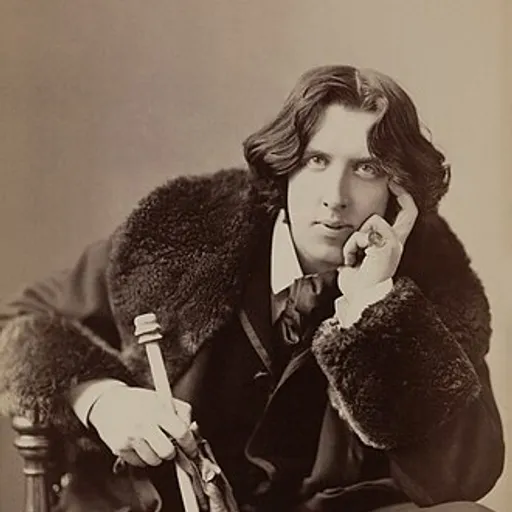
The man who could turn a insult into a sonnet and a sonnet into a scandal, Wilde once quipped he could resist anything except temptation—and then lived like it. Seat him at the head of the table and watch every conversation bend toward wit, epigram, and delicious cruelty; he didn't attend dinner parties so much as author them in real time. The argument for his spot is simple: no one else on this list could make you laugh and wound you in the same sentence.
Era: 1854–1900Wit & Charisma: 10/10Storytelling Power: 9/10Scandal Factor: 6/10
added by IJROscar Wilde
0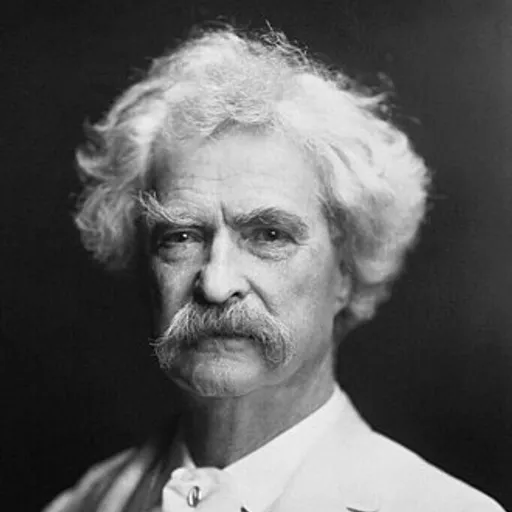
Twain built an entire American voice out of riverboat drawl and razor-edged skepticism, and he'd have the table roaring within minutes with a story that started about Mississippi steamboats and ended up skewering Congress. He was the guy who said the rumors of his death were greatly exaggerated, and that same deadpan mischief would make him the dinner party's chief entertainer and moral conscience rolled into one. Nobody tells a shaggy-dog story with a knife hidden in the punchline quite like him.
Era: 1835–1910Wit & Charisma: 9/10Storytelling Power: 10/10Scandal Factor: 4/10
added by IJRin 2 rankingsMark Twain
0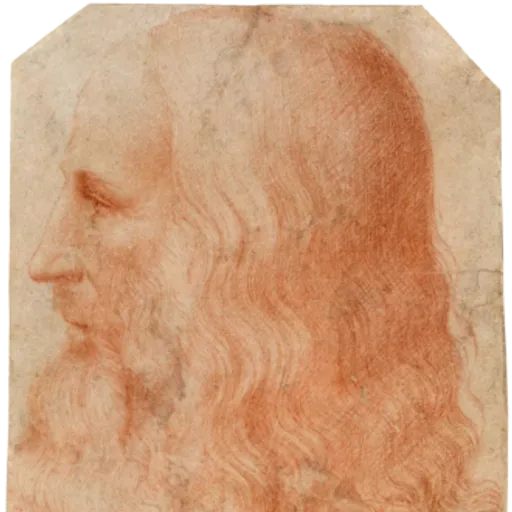
He painted the most famous smile in history and then, bored, went off to design flying machines and dissect cadavers for fun—Leonardo's mind never stopped restlessly cataloguing the universe. Put him at your table and he'd sketch the centerpiece, correct your host's understanding of anatomy, and casually mention he'd been thinking about turbines five centuries early. The appeal isn't charm exactly; it's the vertiginous sense that you're talking to someone who sees more of reality than you ever will.
Era: 1452–1519Wit & Charisma: 7/10Storytelling Power: 8/10Scandal Factor: 3/10
added by IJRin 5 rankingsLeonardo da Vinci
0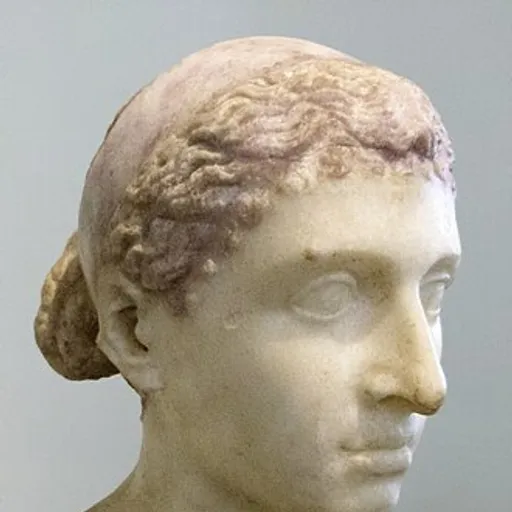
Cleopatra
She sailed into Rome on a barge dripping gold and incense and made Julius Caesar and Mark Antony both fall hopelessly for her mind as much as her legend, running a kingdom in multiple languages while men twice her age fumbled for words. Cleopatra's dinner parties were reportedly theatrical spectacles—dissolving pearls in vinegar just to prove a point about extravagance. She'd dominate any table not through volume but through sheer command, the kind of presence that makes emperors nervous.
Era: 69–30 BCWit & Charisma: 8/10Storytelling Power: 8/10Scandal Factor: 7/10
added by IJRin 3 rankings
0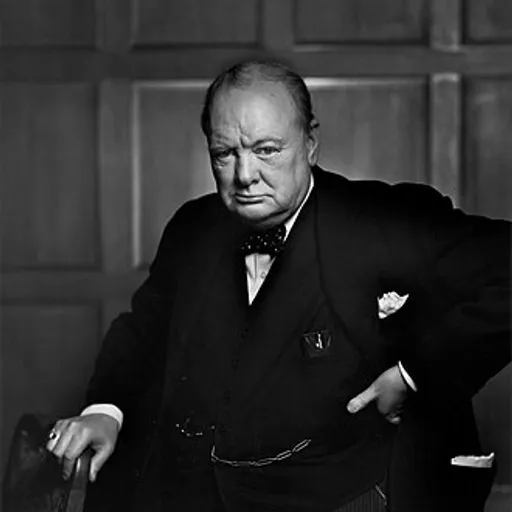
Winston Churchill
Churchill drank like the war depended on it, insulted people with Shakespearean flourish, and once told a woman who accused him of being drunk that she was ugly and he'd be sober in the morning—the ultimate mic-drop. He'd hold court for hours, part bulldog and part poet laureate of defiance, turning even a dull Tuesday dinner into something that felt like history being narrated live. You invite Churchill for the stories, but you keep him for the terrifying, magnetic certainty that Britain—and this dinner—will never surrender.
Era: 1874–1965Wit & Charisma: 9/10Storytelling Power: 8/10Scandal Factor: 7/10
added by IJRin 7 rankings
0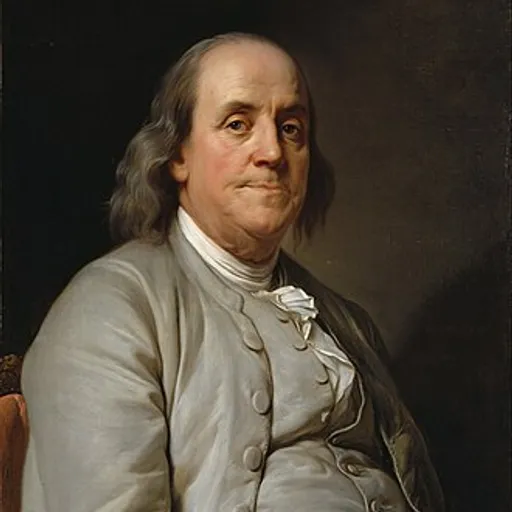
Benjamin Franklin
Franklin invented bifocals, the lightning rod, and a shameless amount of his own mythology, and he'd have used dinner to debate philosophy, flirt outrageously with everyone's wife, and probably propose a new club by dessert. He was the founding father who treated diplomacy like a dinner party and dinner parties like diplomacy, charming French aristocrats into funding a revolution. Few historical figures combined genius with such gleeful, twinkly-eyed hedonism.
Era: 1706–1790Wit & Charisma: 8/10Storytelling Power: 8/10Scandal Factor: 4/10
added by IJRin 5 rankings
0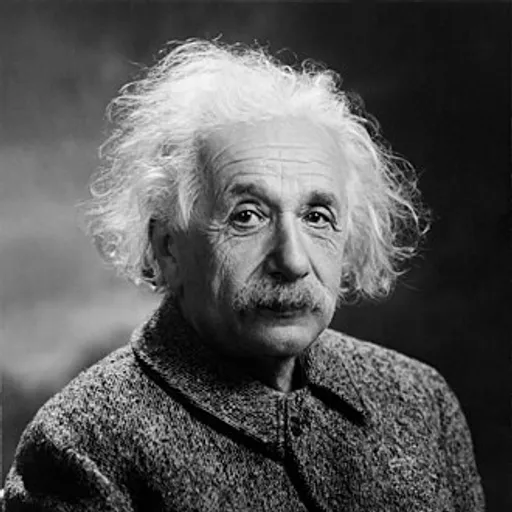
Einstein rewrote the universe's rulebook with equations scrawled on scraps of paper, yet he'd rather talk about violin music, pacifism, or the absurdity of neckties than physics at your table. He had the rare gift of explaining spacetime with a joke and a shrug, making you feel like the universe's weirdness was somehow a cozy shared secret. The appeal is the contrast: cosmic-scale genius wrapped in the disheveled charm of your favorite eccentric uncle.
Era: 1879–1955Wit & Charisma: 7/10Storytelling Power: 7/10Scandal Factor: 3/10
added by IJRin 4 rankingsAlbert Einstein
0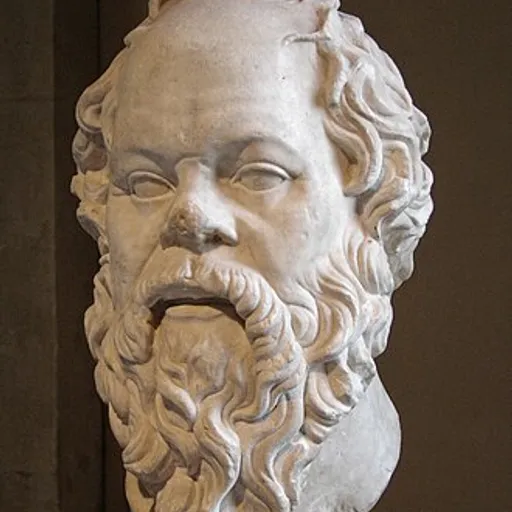
Socrates never wrote a word, yet he built Western philosophy by cornering people at parties and asking questions until their certainties collapsed into rubble—imagine what he'd do to your dinner guests' opinions on politics or love. He'd probably ruin the mood by proving nobody at the table actually knows what justice means, then die charmingly unbothered about it, hemlock and all. You bring Socrates for the fireworks of having your assumptions dismantled in real time by the smartest, most annoying man in Athens.
Era: c.470–399 BCWit & Charisma: 8/10Storytelling Power: 9/10Scandal Factor: 6/10
added by IJRin 3 rankingsSocrates
0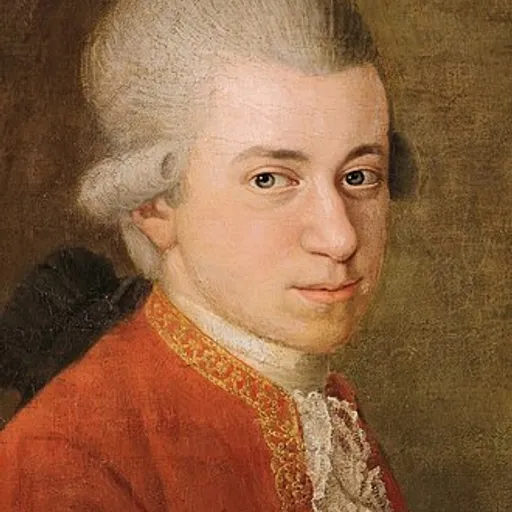
Mozart was composing symphonies before he could tie his shoes and reportedly cracked lewd jokes and puns with the same fluency he wrote operas, a genius wrapped in a giggling, potty-mouthed showman. He'd likely commandeer the piano after the second course and improvise a piece mocking everyone at the table by name, then charge you for the pleasure. The case for Mozart is that pure, uncut musical brilliance is rarely delivered with this much childish, infectious delight.
Era: 1756–1791Wit & Charisma: 7/10Storytelling Power: 6/10Scandal Factor: 3/10
added by IJRin 2 rankingsWolfgang Amadeus Mozart
0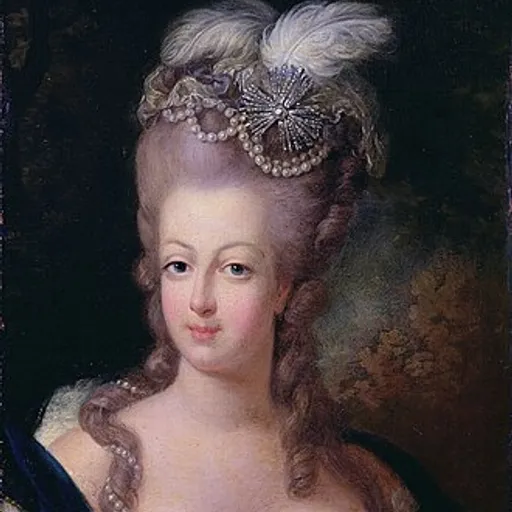
She never actually said "let them eat cake," but the myth stuck because it captured something real about a queen who built a fake peasant village to escape the tedium of being French royalty. At dinner she'd be dazzling, gossipy, and utterly oblivious to the guillotine sharpening itself in the distance—tragic hindsight makes her fascinating rather than just frivolous. You want her there for the doomed glamour, the sense of watching Versailles's chandeliers flicker before the whole thing burns down.
Era: 1755–1793Wit & Charisma: 6/10Storytelling Power: 6/10Scandal Factor: 8/10
added by IJRMarie Antoinette
0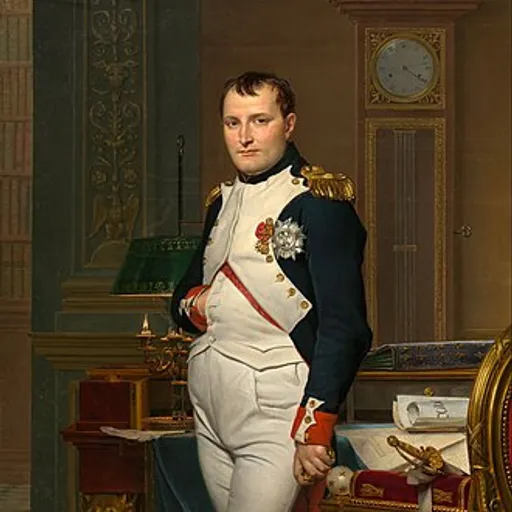
Napoleon crowned himself emperor, redrew the map of Europe, and once claimed he could conquer the world if only he had better maps—the ego alone would make dinner unforgettable. He'd dominate the table with strategic monologues, dismiss everyone's opinion but his own, and somehow still be magnetic enough that you'd forgive him for it. The draw is watching naked ambition this operatic, this convinced of its own destiny, holding court over the cheese course.
Era: 1769–1821Wit & Charisma: 6/10Storytelling Power: 7/10Scandal Factor: 8/10
added by IJRin 5 rankingsNapoleon Bonaparte
0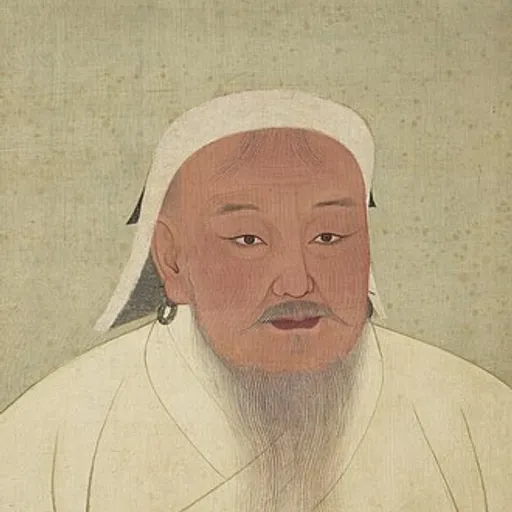
Genghis Khan built the largest contiguous empire in history by being terrifyingly good at war and, less famously, remarkably tolerant of religions and trade routes once the conquering was done. At dinner he'd be a study in contrasts—blunt, watchful, unnervingly calm—the kind of guest whose silence makes you talk more than you meant to. He belongs on this list purely for the electric tension of sharing a table with someone who reshaped Eurasia through sheer will and horseback fury.
Era: c.1162–1227Wit & Charisma: 4/10Storytelling Power: 7/10Scandal Factor: 9/10
added by IJRin 4 rankingsGenghis Khan
0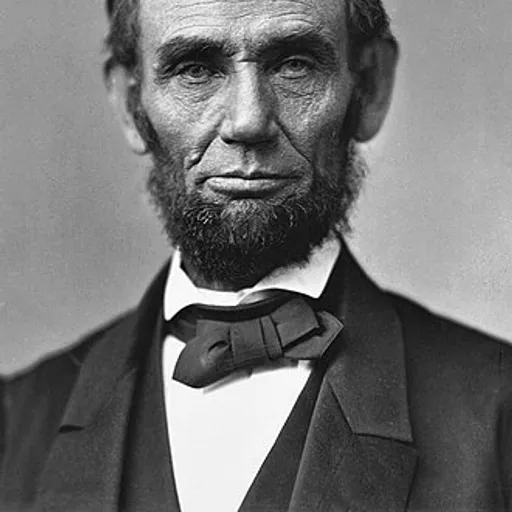
Abraham Lincoln
Lincoln held a fractured nation together with stories, self-deprecating jokes, and a folksy cadence that could turn a cabinet meeting into a parable, all while carrying the weight of a civil war on his shoulders. He'd charm the table with backwoods humor before pivoting, almost imperceptibly, into something achingly profound about mercy or grief. The case for Lincoln is that rare combination of a great wit and a great soul, and you'd leave dinner both laughing and quietly rearranged.
Era: 1809–1865Wit & Charisma: 8/10Storytelling Power: 8/10Scandal Factor: 4/10
added by IJRin 12 rankings
0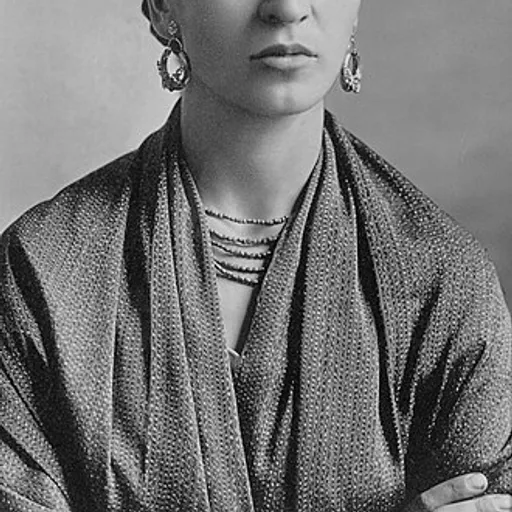
Kahlo turned a lifetime of physical agony into unflinching self-portraits and somehow still threw legendary parties, drinking tequila, singing Mexican folk songs, and flirting with everyone regardless of gender or marital status. She'd bring color, radical politics, and zero patience for boring small talk, steering conversation toward art, pain, and revolution with equal ferocity. The pitch for Frida is pure electric authenticity—she'd make the whole table feel more alive just by being unapologetically, vividly herself.
Era: 1907–1954Wit & Charisma: 7/10Storytelling Power: 8/10Scandal Factor: 5/10
added by IJRin 2 rankingsFrida Kahlo
0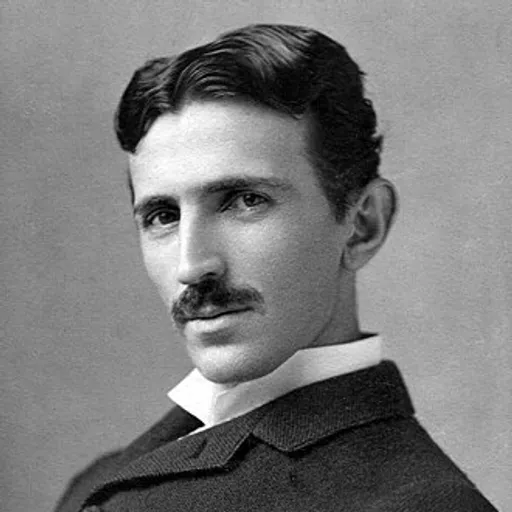
Tesla dreamed of wireless power beamed across the globe for free and picked fights with Edison that basically decided how the modern world gets electricity, all while living on strange rituals and an obsessive fear of germs. He'd be awkward, intense, and utterly incapable of small talk, but get him started on alternating current or death rays and the table would fall silent with fascination. The appeal is the mad-genius energy—equal parts visionary and unhinged—that makes you unsure whether he's about to save civilization or short-circuit the chandelier.
Era: 1856–1943Wit & Charisma: 6/10Storytelling Power: 6/10Scandal Factor: 3/10
added by IJRin 5 rankingsNikola Tesla
0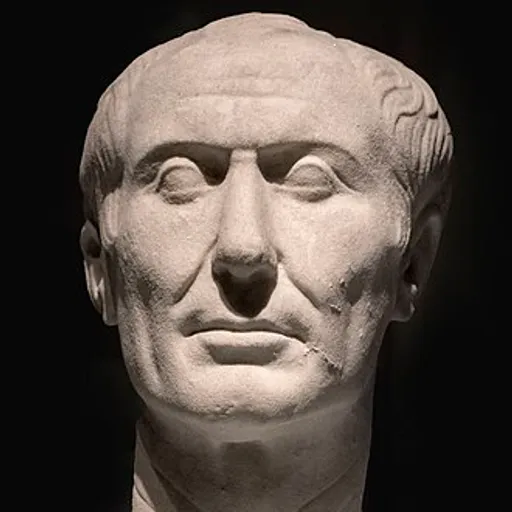
Julius Caesar
Caesar crossed the Rubicon knowing exactly how much history he was about to rewrite, and he'd bring that same audacious swagger to dinner, narrating his own conquests with the confident flair of a man who genuinely believed the gods were on his side. He'd charm, flatter, and subtly size up everyone at the table as a future ally or obstacle, the political animal never fully off duty. You invite Caesar for the sheer gravitational pull of ambition made flesh—just maybe don't seat him near anyone holding a knife.
Era: 100–44 BCWit & Charisma: 6/10Storytelling Power: 7/10Scandal Factor: 8/10
added by IJRin 5 rankings
0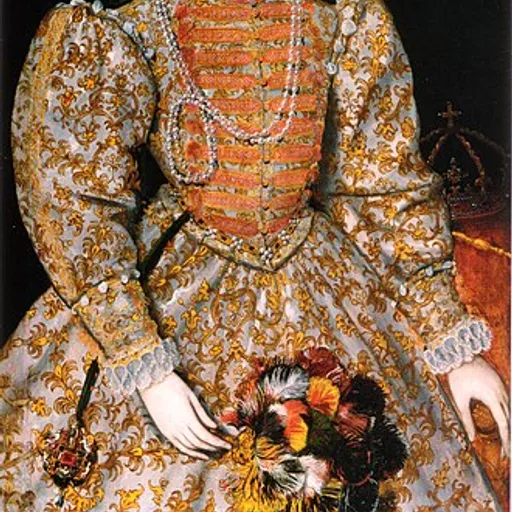
Queen Elizabeth I
Elizabeth ruled for 44 years by outmaneuvering every man who underestimated her, famously declaring she had "the heart and stomach of a king" while facing down the Spanish Armada. At dinner she'd be regal, razor-witty, and impossible to read, doling out compliments and warnings in the same breath with the practiced precision of someone who survived a lifetime of court intrigue. The draw is watching absolute political mastery wrapped in ruffled collars and unbothered, glittering composure.
Era: 1533–1603Wit & Charisma: 8/10Storytelling Power: 7/10Scandal Factor: 5/10
added by IJRin 2 rankings
0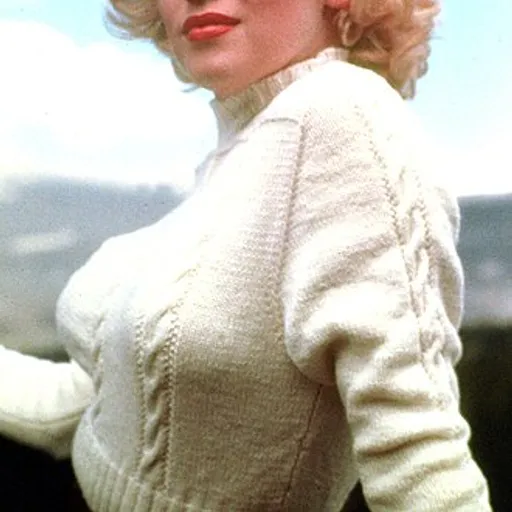
Monroe was far sharper than the breathy-blonde persona let on—she read Rilke, negotiated her own contracts, and once dismantled a reporter's condescension with a single perfectly-timed pause. She'd bring old Hollywood glamour and surprising vulnerability to the table, equal parts luminous performance and quiet, aching intelligence underneath. The case for Marilyn is that contrast—the world's most photographed smile hiding a mind nobody bothered to really ask about.
Era: 1926–1962Wit & Charisma: 6/10Storytelling Power: 6/10Scandal Factor: 6/10
added by IJRMarilyn Monroe
0
Keep ranking
Comments
Free account · your comment posts right after signup