Greatest novelists of all time
From sprawling Russian epics to razor-sharp modern satire, the novel has been humanity's greatest tool for exploring the human condition in all its messy glory. Some writers reshaped language itself, others invented entire genres, and a few simply told stories so powerful they've outlived empires. Who deserves the crown? Cast your vote and help settle the debate.
What counts: Seeded with approximate figures where shown — the crowd's votes decide the order.
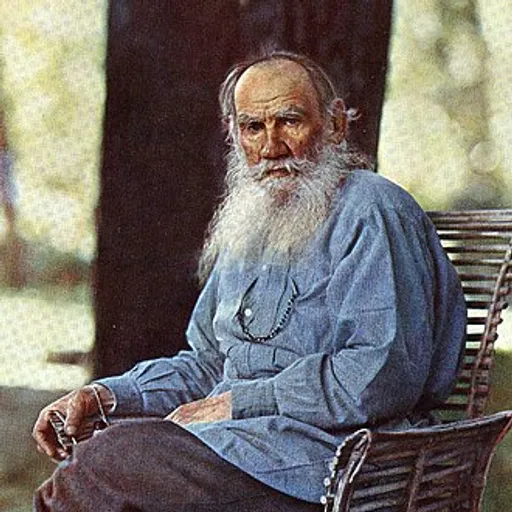
Leo Tolstoy▲ Rising
He opened War and Peace with the confidence of a man rearranging the furniture of the universe, then somehow made half a million words about Napoleon's invasion of Russia feel intimate. Anna Karenina's opening line about happy families became the most quoted sentence in fiction because he proved the novel could hold both a nation's history and one woman's ruinous heart. No one has ever scaled up and down like this, from battlefield panorama to the exact way a hand trembles at a train station.'
Era: 1800s
added by IJRLeo Tolstoy
44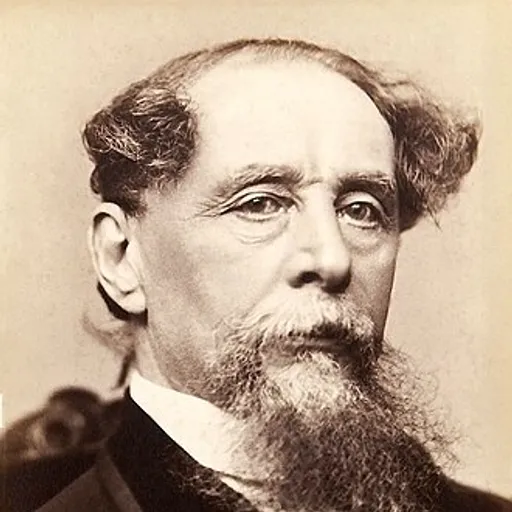
Charles Dickens▲ Rising
He wrote in serialized installments for a mass audience and somehow produced Great Expectations and Bleak House, proving popular fiction and literary greatness were never actually enemies. Readers in America reportedly stormed the docks asking sailors if Little Nell had died yet, which tells you everything about the grip he had. His London, thick with fog and orphans and grotesque lawyers, became the template for the novel as social conscience.'
Era: 1800s
added by IJRCharles Dickens
42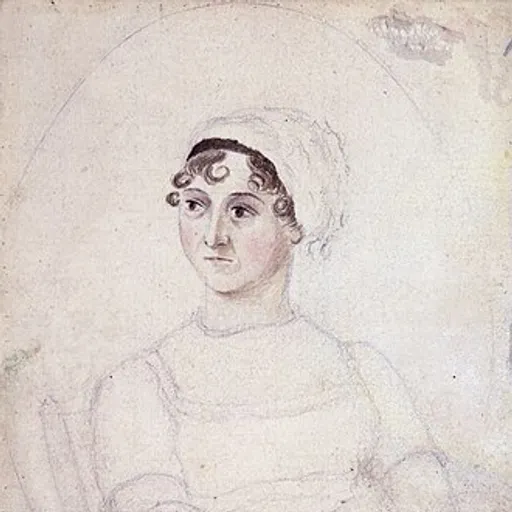
Jane Austen▲ Rising
She wrote about a handful of families in country villages and somehow produced the sharpest, funniest, most quietly devastating dissection of marriage and money the language has ever seen. Pride and Prejudice's opening line is a joke so perfectly loaded it still detonates two centuries later. She proved the domestic novel could be as ruthless as any war epic, just fought with dinner parties and withering asides instead of muskets.'
Era: 1800s
added by IJRJane Austen
35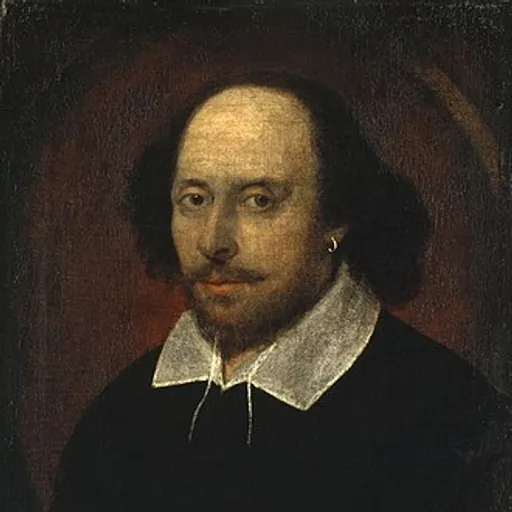
William Shakespeare▲ Rising
Technically a playwright, but he invented more of the interior human vocabulary than anyone who ever wrote a novel, which is why every list like this has to reckon with him. Hamlet talking to himself on a battlement basically built the template for psychological interiority that novelists spent the next four centuries stealing. You cannot claim to rank fiction's greatest without including the guy who supplied its entire nervous system.'
Era: 1600s
added by IJR
23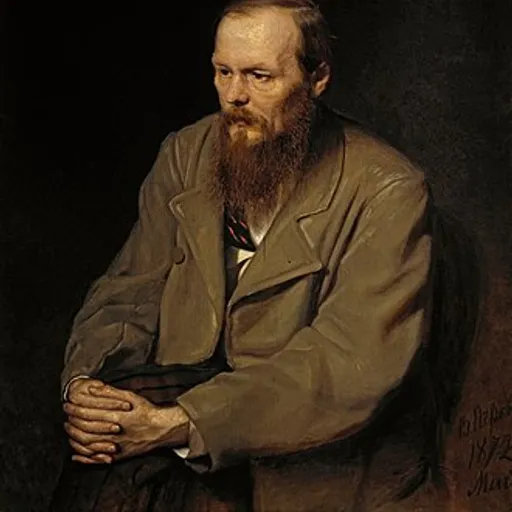
Fyodor Dostoevsky▲ Rising
Raskolnikov's axe murder in Crime and Punishment turned the novel into a courtroom for the human soul, and Dostoevsky never let the defendant off easy. He wrote gambling debts and near-executions into his fiction because he'd lived them, which is why the psychological extremity never feels like a stunt. The Brothers Karamazov argued with God so ferociously that entire philosophy departments still haven't recovered.'
Era: 1800s
added by IJR
18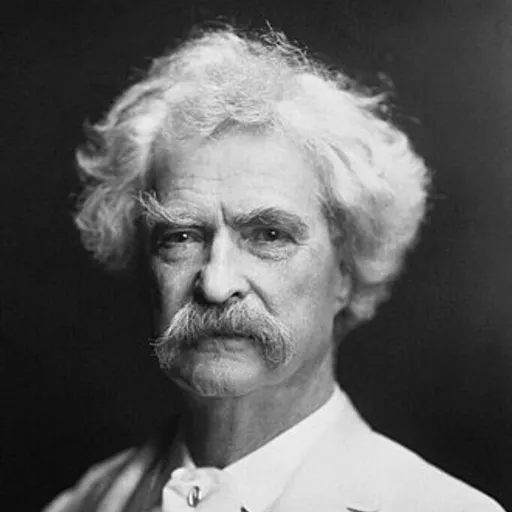
Huckleberry Finn put American vernacular speech directly onto the page and dared literature to take it seriously, and Hemingway later said all modern American writing came from that one book. He built a raft, put a runaway boy and an escaped slave on it, and let the Mississippi River do the moral work that the country itself was still refusing to do. Funny, furious, and unafraid to be both in the same paragraph.'
Era: 1800s
added by IJRin 2 rankingsMark Twain
8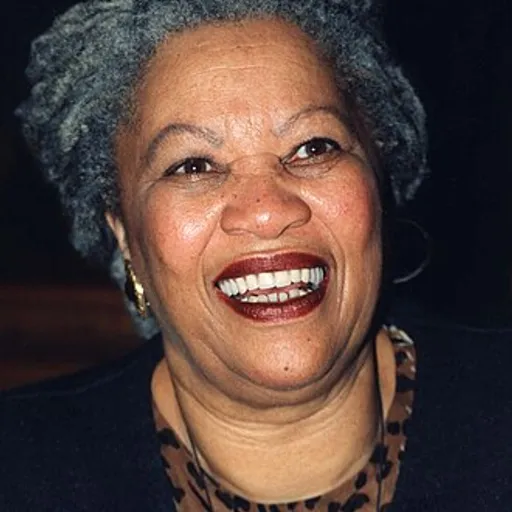
Toni Morrison▼ Falling
Beloved is built around an infanticide committed out of love, and Morrison forces you to sit with that horror until you understand slavery not as history but as haunting. She wrote Black American life in prose so dense with music and myth that the Nobel committee had no real choice but to notice. Song of Solomon's flying men and Sula's fierce women proved she could build entire mythologies out of the neighborhoods everyone else had ignored.'
Era: 1900s
added by IJRToni Morrison
-3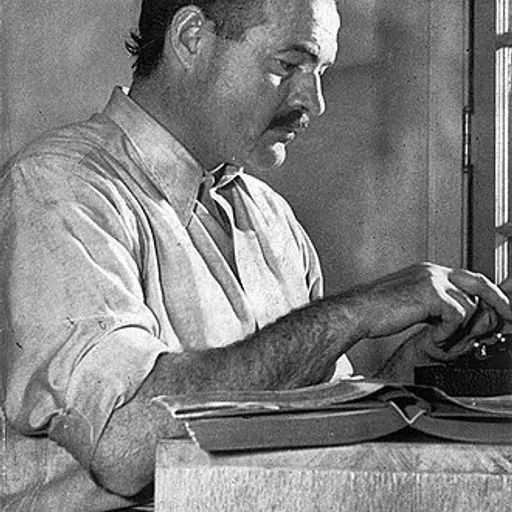
Ernest Hemingway▼ Falling
He stripped the sentence down to bone and muscle, and the iceberg theory of leaving most of the meaning underwater changed what American prose was allowed to sound like. The Sun Also Rises made a lost generation's aimless drinking and bullfighting feel like the only honest response to a war that had gutted every old certainty. Imitated to the point of parody, which is really just proof of how completely he rewired the ear of the language.'
Era: 1900s
added by IJRErnest Hemingway
-20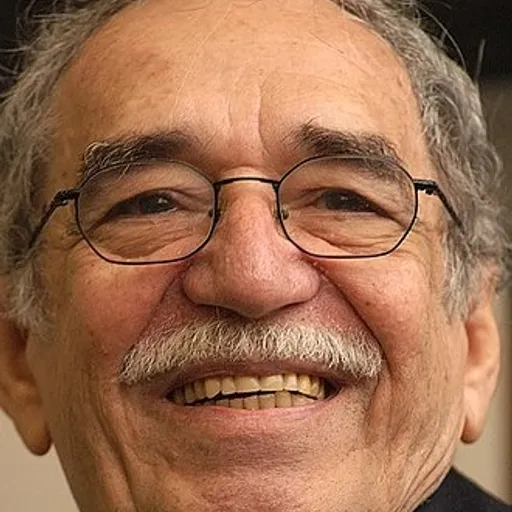
Gabriel García Márquez▼ Falling
One Hundred Years of Solitude opens with a firing squad and a childhood memory of ice and never lets go, inventing magical realism as a way to tell Latin American history that straight realism couldn't hold. Macondo's rain of yellow flowers and ascending nun became shorthand for an entire literary movement that reshaped world fiction. He made the impossible feel like reportage, which is a much harder trick than it sounds.'
Era: 1900s
added by IJRGabriel García Márquez
-26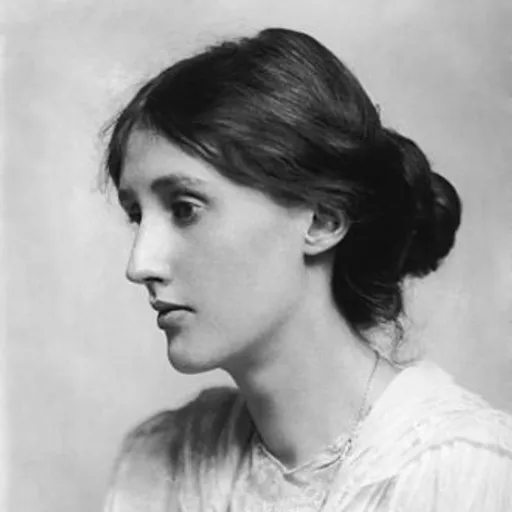
Virginia Woolf▼ Falling
Mrs. Dalloway compresses a single London day into a novel and somehow makes it feel like it contains an entire life, war trauma and party flowers and all. She dismantled the tidy plot-driven novel and rebuilt it out of consciousness itself, proving stream-of-thought could carry as much weight as any battlefield. A Room of One's Own turned that same relentless clarity onto why women hadn't been allowed to write novels like this in the first place.'
Era: 1900s
added by IJRVirginia Woolf
-27
Keep ranking
Comments (8)
Free account · your comment posts right after signup
This order is closer to right than any editor would've gotten.
Voted — and the gap between #1 and #2 should be bigger.
- PPaige JohnsonJul 27, 2026
Exactly the kind of argument the internet was built for.