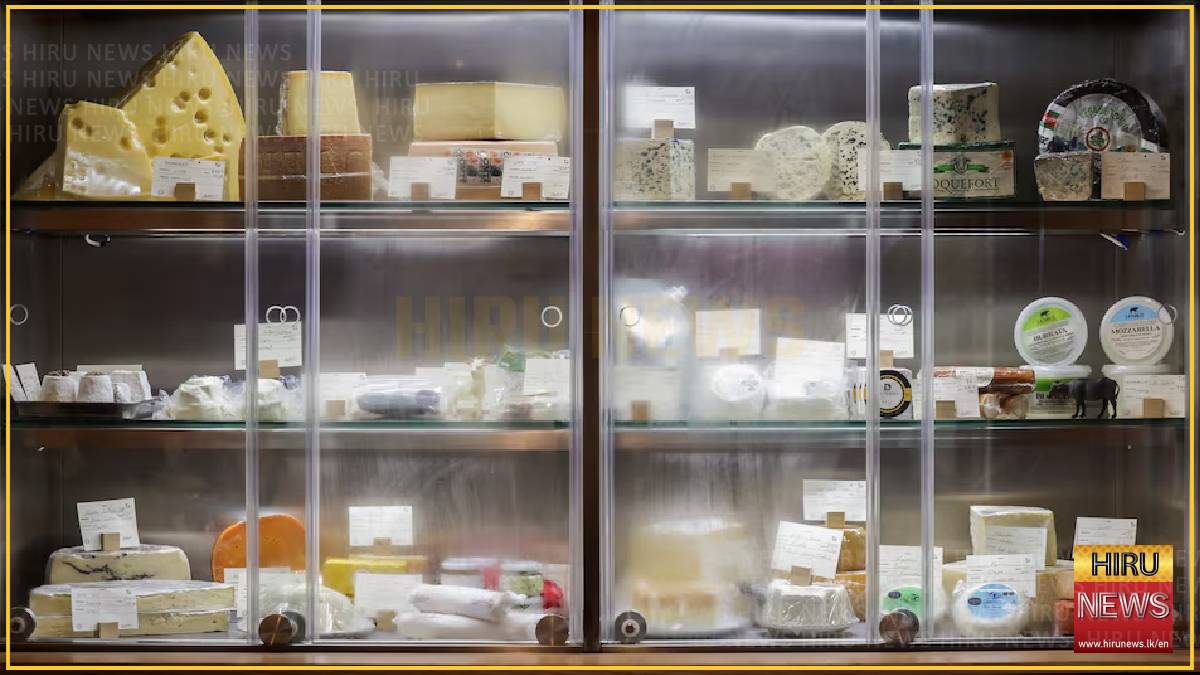
US objects to Mexico-EU cheese deal, stalls talks
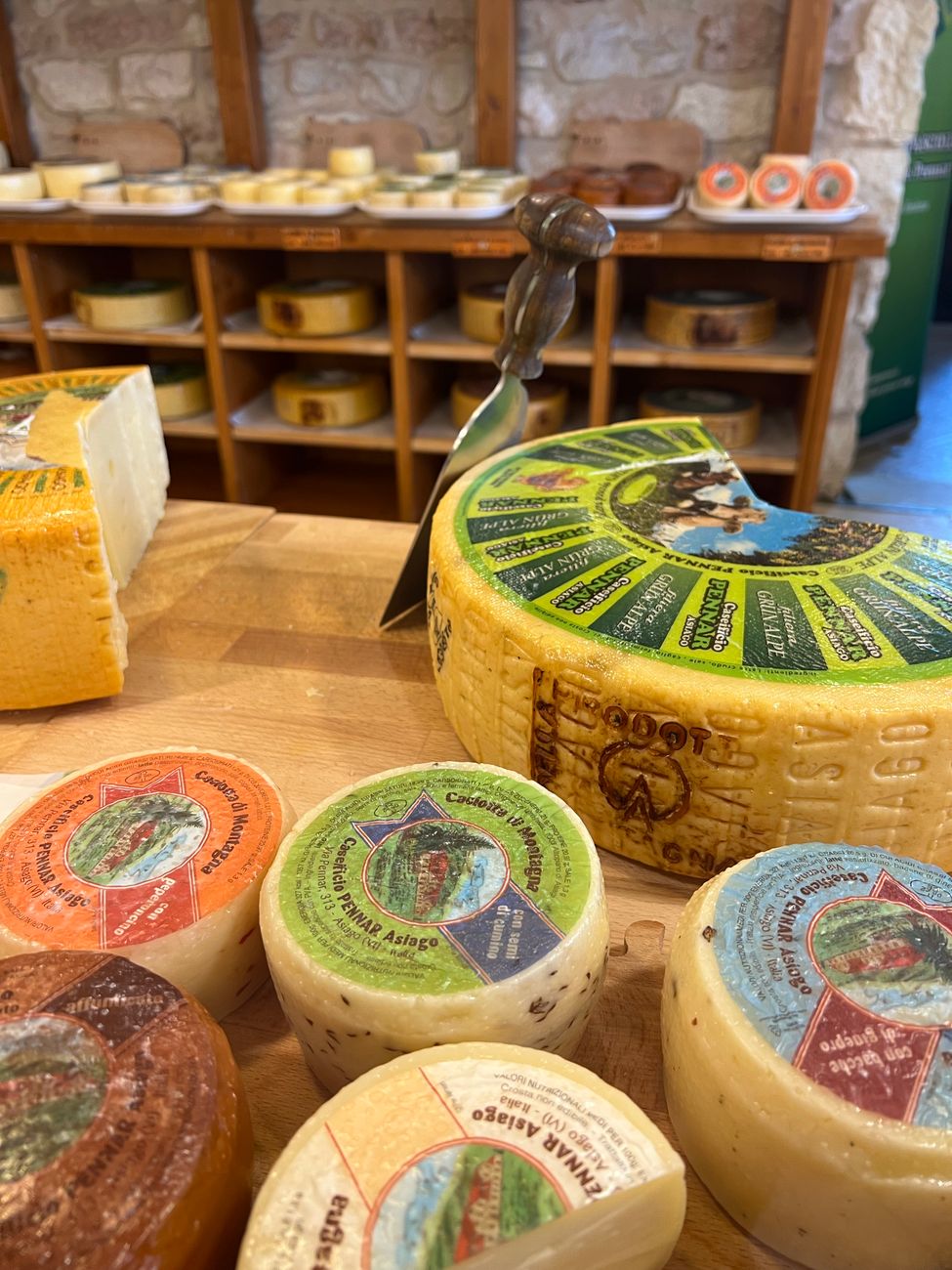
The EU and Mexico signed a modernized Global Agreement in May 2026 that expands protections for hundreds of European regional product names, including cheeses like Parmigiano-Reggiano and feta, which could limit American producers’ marketing in Mexico. Washington argues the agreement conflicts with USMCA commitments that allow Americans to continue using many generic cheese names, threatening U.S. cheese brands in the Mexican market. The pact also slashes Mexican tariffs on many EU cheeses and yogurt to zero, giving European producers a cost advantage in Mexico. The dispute has become a focal point in ongoing U.S.–Mexico trade talks and risks complicating the renewal of the USMCA, with U.S. dairy exporters counting the market as a roughly $1 billion per year opportunity. U.S. industry voices say Mexico must ensure continued access for both U.S. and Mexican producers using generic names to avoid restricting competition. The tension underscores broader debates over intellectual property, trade leverage, and the control of branding in a highly valuable North American dairy market.
How it spread