Trump's order to cut drills triggers North Korea self-defense warning
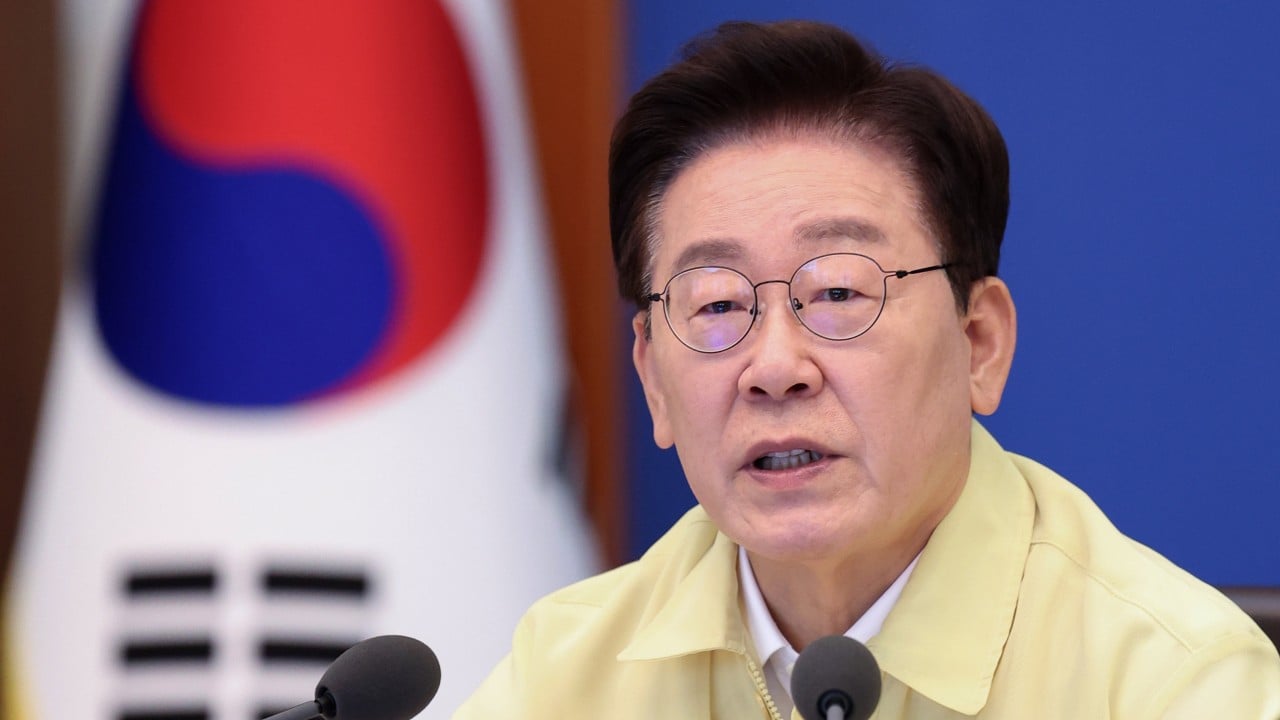
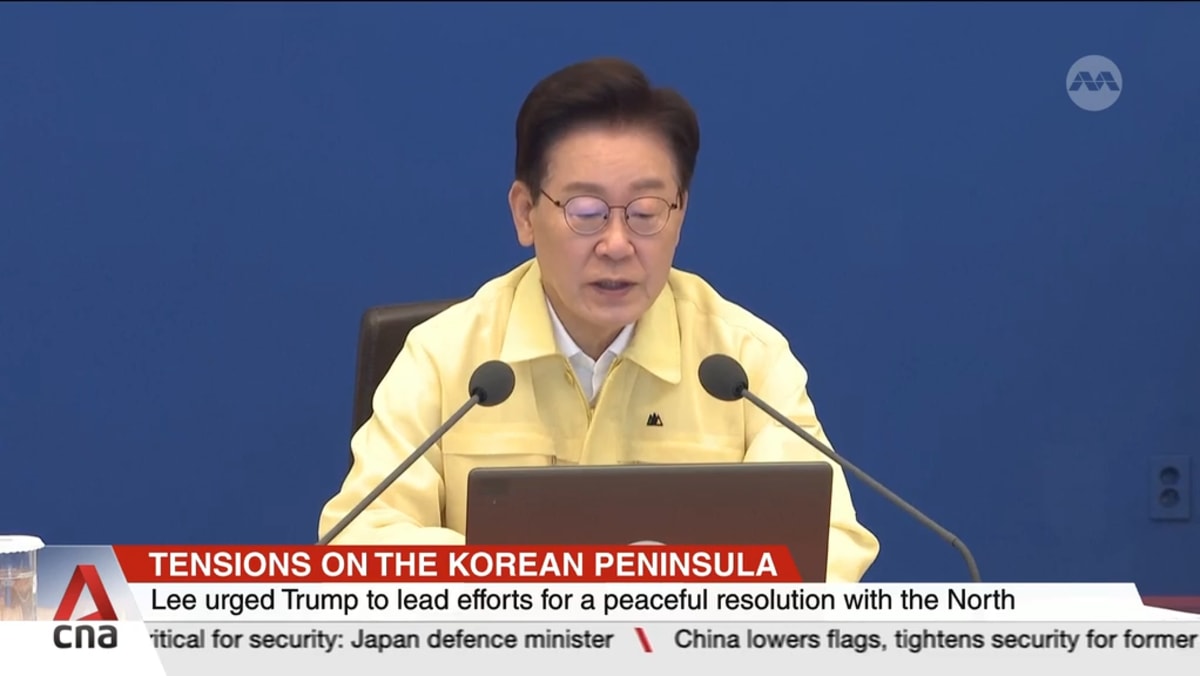
North Korea condemned the US-South Korea Ulchi Freedom Shield exercises as a dangerous expansion of allied warfighting capabilities, even as President Trump ordered a substantial reduction of U.S. involvement in the drills. In Seoul, President Lee Jae Myung reaffirmed his push for South Korea to regain wartime operational control and strengthen independent defense capabilities, arguing that a stronger, self-reliant stance enhances the country’s security. The U.S. move to scale back the exercises was framed by Trump as a concession tied to his favorable relationship with North Korean leader Kim Jong Un, while Lee and South Korean advisers indicated continued coordination with Washington. Lee has repeatedly stressed that improving self-reliance does not signify a withdrawal from the alliance, but rather a means to ensure stability and preparedness on the peninsula. The debate underscores a broader tension over how much autonomy Seoul should assert in defense matters while maintaining a robust U.S.-led security framework. Those tensions come as North Korea publicly criticizes the drills and expands missile testing, highlighting a precarious balance between urging dialogue and maintaining deterrence.
Where do you stand?