Lindsay Clancy Trial Highlights Postpartum Psychosis Risks

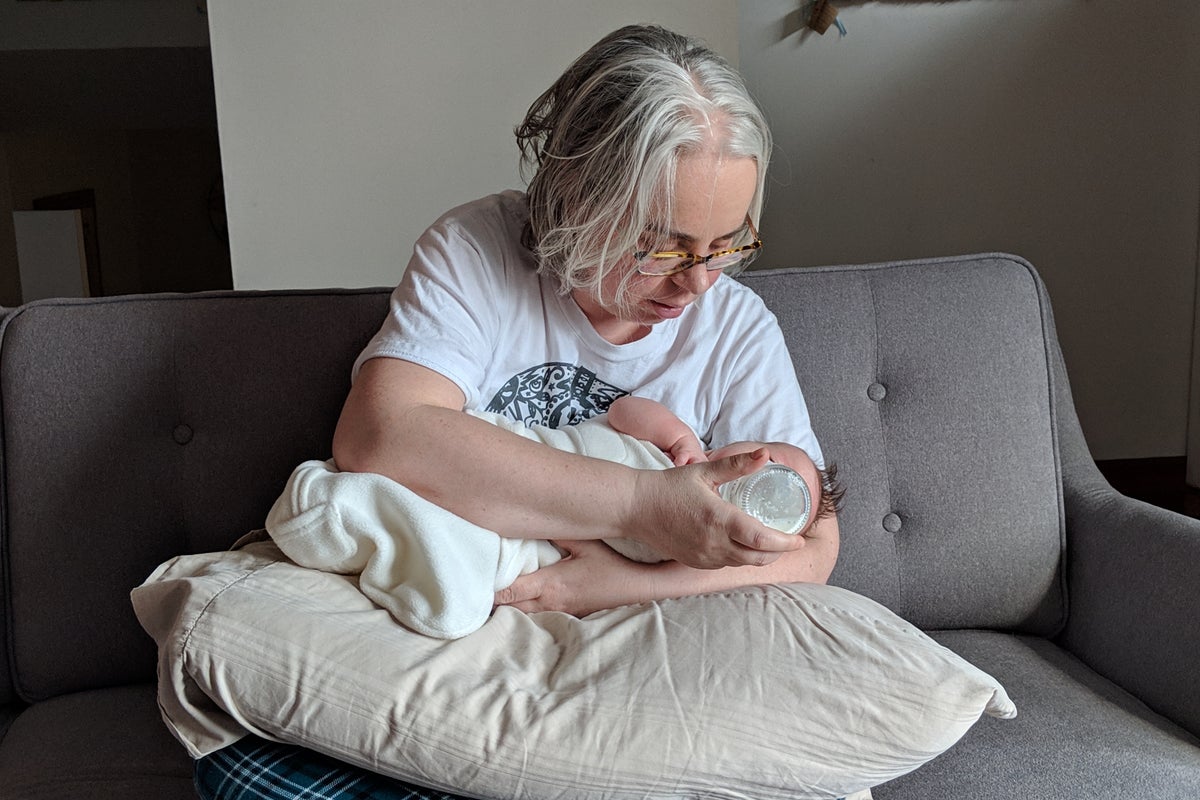
Postpartum psychosis affects about 1 to 2 per 1,000 births and has drawn renewed attention from the Lindsay Clancy trial, which raises questions about whether the condition contributed to harming children. Personal stories, like Bridget María Chesterton’s, illustrate how rapidly symptoms can emerge after birth and how medication and family support can aid recovery, while challenging online myths that the disorder isn’t real. The Clancy case underscores that severe postpartum psychosis can be dangerous, even as most affected mothers do not harm their children. Public figures such as Alyssa Milano and other mothers have shared their experiences to emphasize that postpartum mental health symptoms require urgent recognition and treatment, even as they acknowledge differences from Clancy’s situation. Chesterton’s and Milano’s disclosures push for a cultural shift toward openly discussing maternal mental health and seeking help. Taken together, these articles highlight the importance of awareness, timely treatment, and support systems in improving outcomes for mothers and families affected by postpartum psychosis.
Where do you stand?