Iconic Guitar Riffs Define Rock Through Decades
The articles explore iconic guitar riffs and their cultural impact, from Ted Nugent’s Cat Scratch Fever riff, which the artist linked to a real but rare medical disease, to Jimi Hendrix’s Purple Haze, whose riff and recording process are recounted by producer Chas Chandler and band members. They also examine Steely Dan’s Do It Again, highlighting timing and the band’s strategic decisions around singles and public reception. A separate piece reviews Led Zeppelin’s Whole Lotta Love as the winner of a BBC fan-vote poll naming the greatest guitar riff of all time, with Jimmy Page explaining his crafting approach and the riff’s role in the song’s enduring popularity. The coverage underscores how riffs drive a track’s identity and lasting legacy, sometimes amplified by anecdotes about creation, release history, and critical or fan recognition. Taken together, the articles illustrate a pattern of riffs becoming touchstones of rock heritage, celebrated for their musical invention and the stories behind their creation. The sources collectively offer a cross-era portrait of how guitar riffs shape reputations and define moments in rock history.
How it spread
Claim check
What each side asserts, disputes — or leaves out entirely.
Where do you land?
Whose framing of this story rings truest to you?
Coverage
 parade.comOther1967 Rock Song, Written by ‘Greatest Guitarist of All Time,’ Is Still Adored 59 Years Later
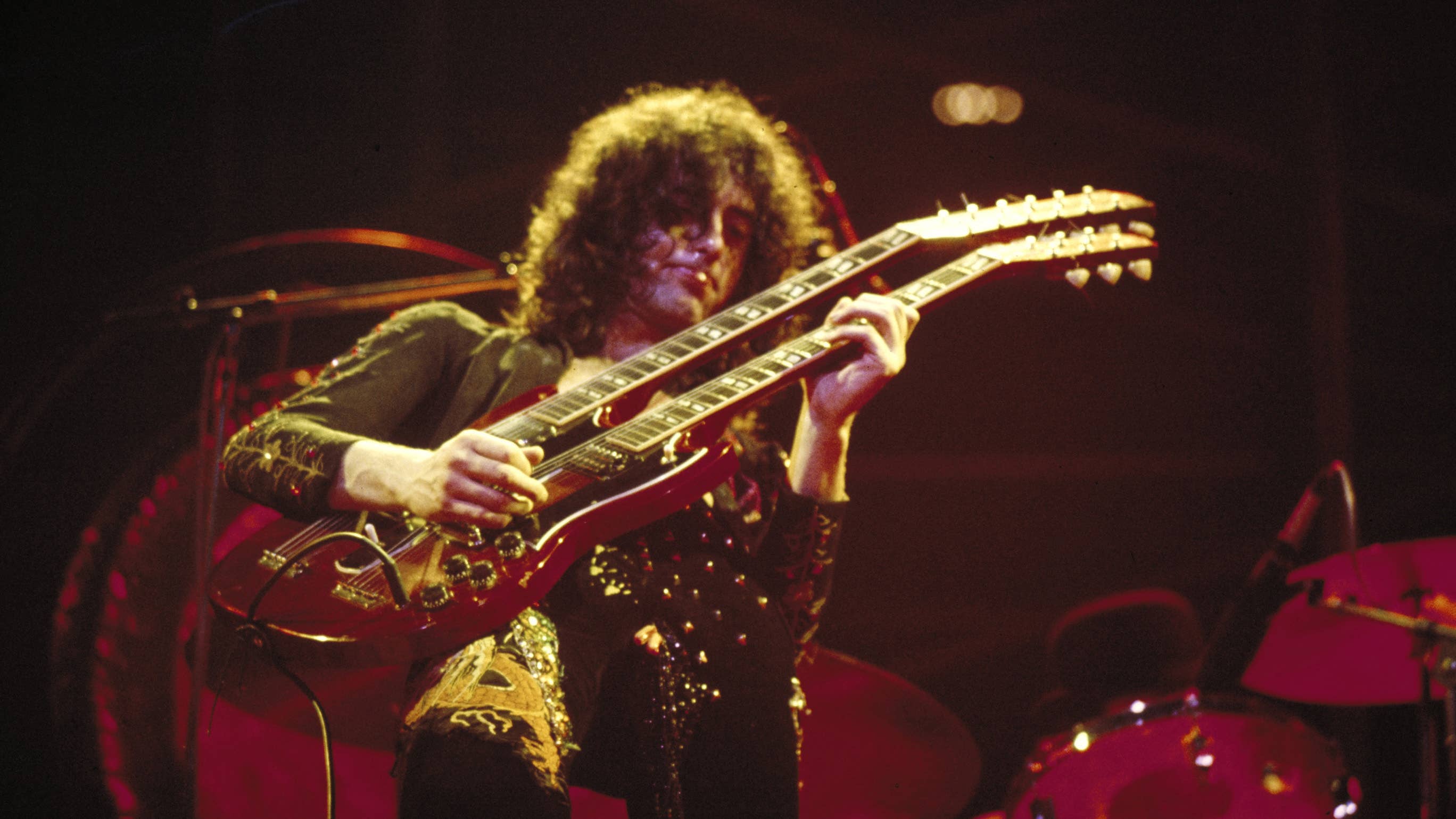 AOLLean Left12 Years Ago, Led Zeppelin's 'Whole Lotta Love' Was Voted Greatest Guitar Riff Ever