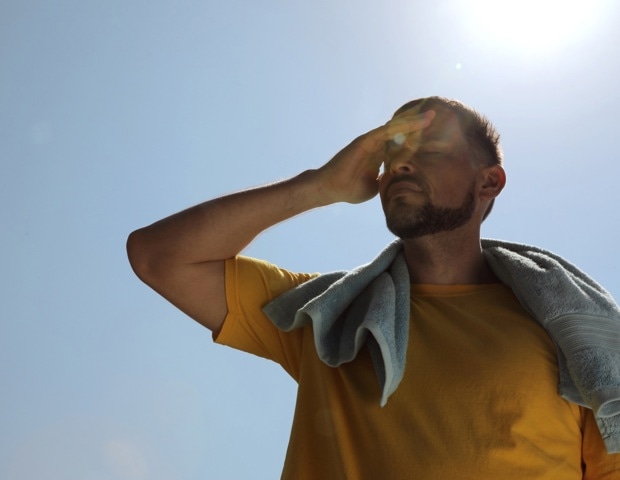
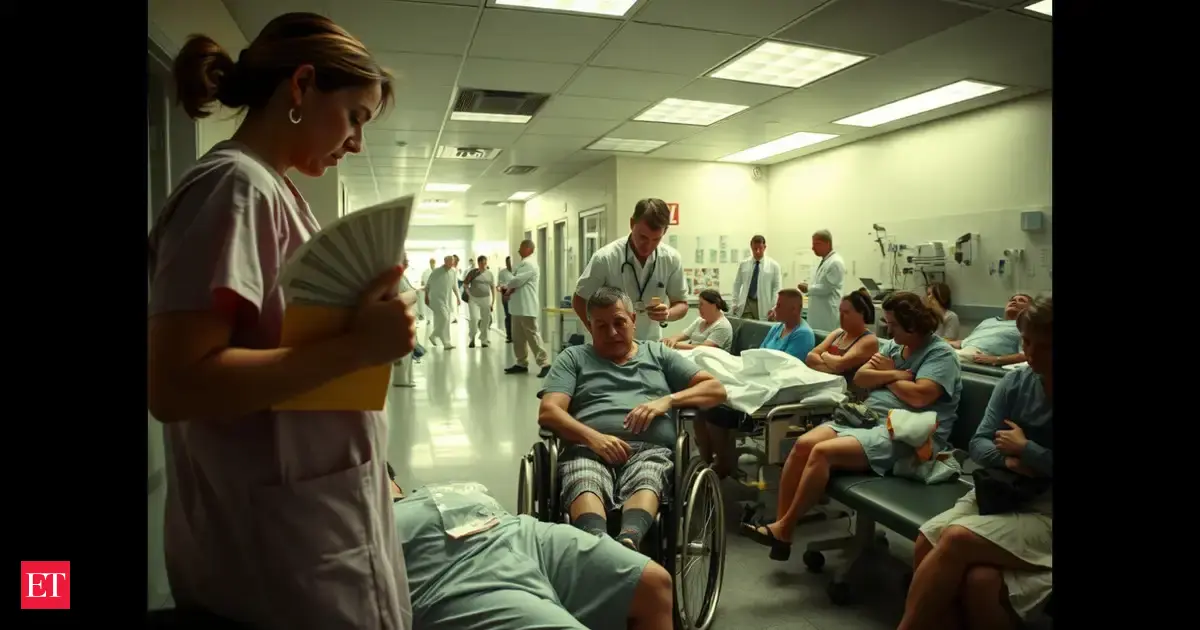
Heat Drives Busier Chicago ER Visits, Study Finds
A Northwestern University study analyzing 916,404 Chicago ER and urgent-care visits from 2011 to 2023 found that when temperatures reach 92.6°F (33.7°C) or higher, more than a dozen health issues rise, including accidental gunshot wounds, kidney problems, skin conditions, varicose veins, and mental-health concerns linked to marijuana use. The research, published in Science Advances, notes that some heat-associated problems more than double or triple, with accidental gunshots increasing by over 30-fold on very hot days, and assault injuries also rising. Experts caution that the study shows association rather than direct causation, and highlight limitations such as demographic representation skewing toward more Black people and women in the dataset. While the findings are Chicago-specific, they are framed as indicative of broader trends in a warming world, signaling greater health burdens, higher healthcare costs, and the need to account for heat in medical planning and public health responses. Researchers also discuss how heat stress can amplify the effects of certain medications and conditions, underscoring that heat-related morbidity extends beyond the well-known risks like heat stroke. The broader literature on extreme heat emphasizes rising mortality, hospital use, and strain on health systems, with urban heat islands potentially intensifying local impacts.