Global Permafrost Thaw Accelerates, Study Finds
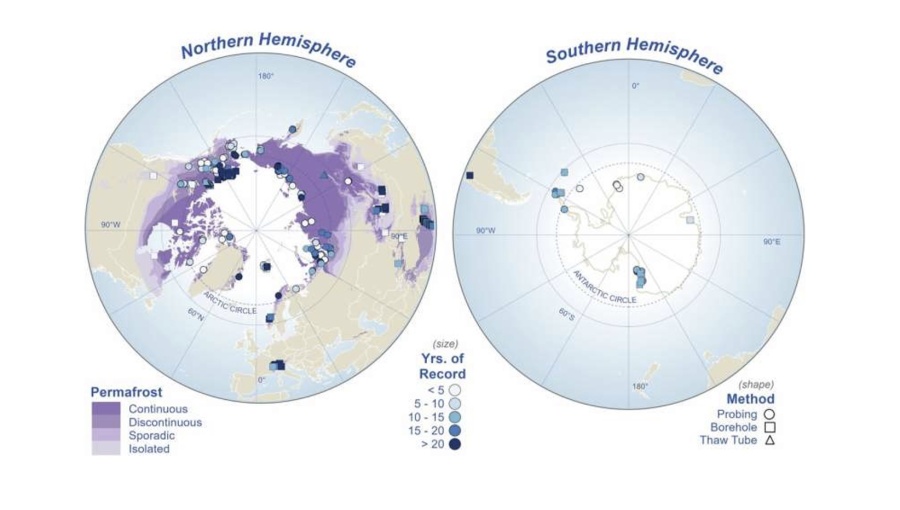
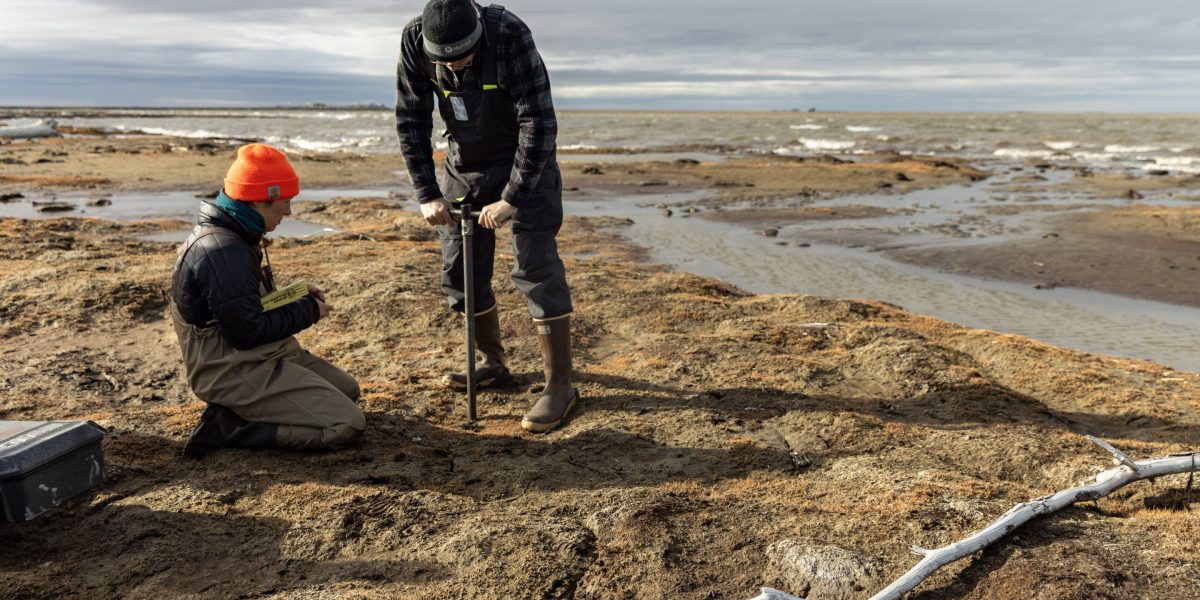
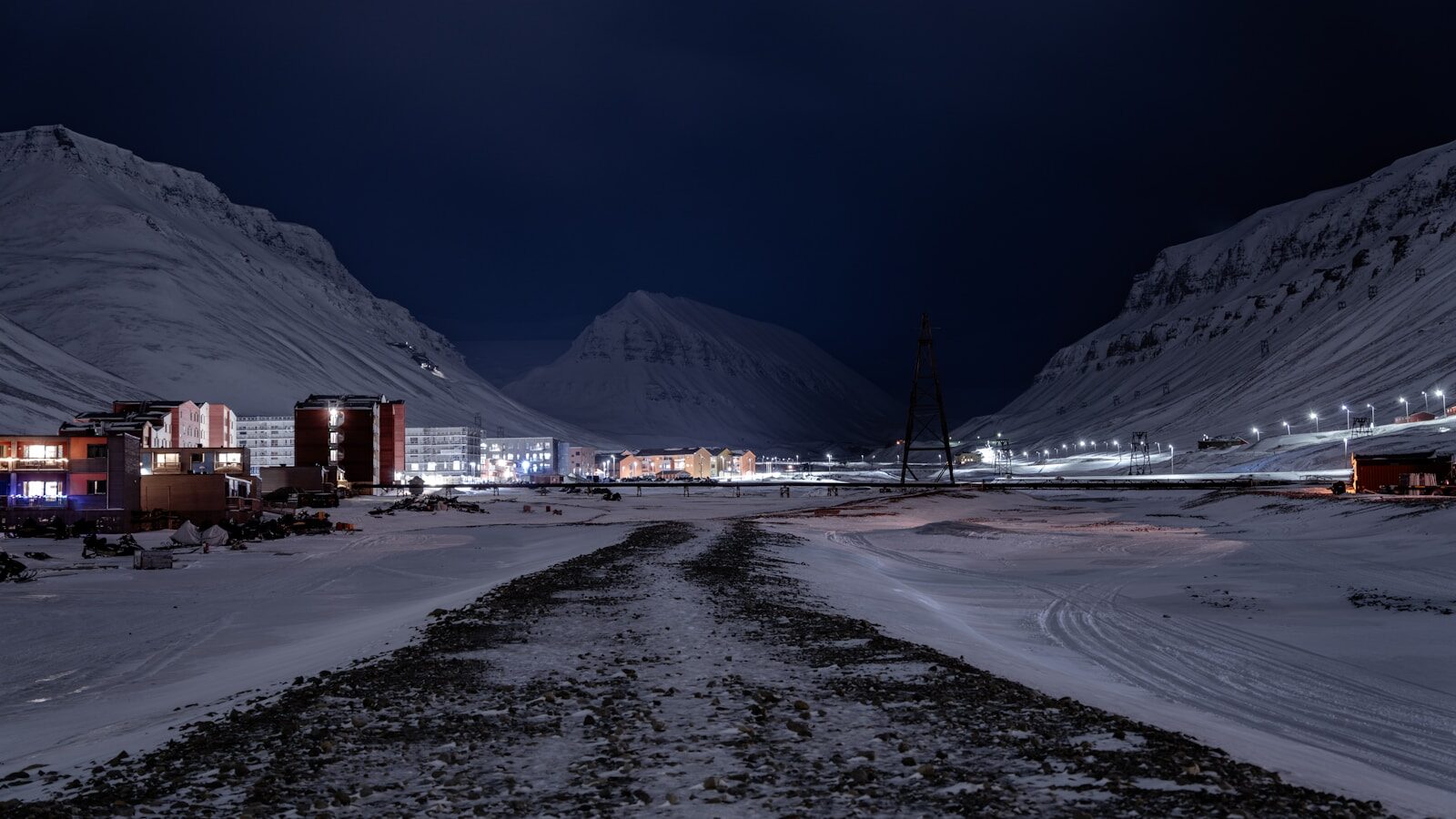
A global study based on more than two decades of field observations from 156 monitoring sites finds permafrost is thawing across the Arctic, Antarctic, and high-mountain regions, with active-layer thickness increasing at 55% of Arctic sites and 38% of Antarctic sites between 2000 and 2024 and notable deepening in European and high-elevation Asian mountains. In several high-mountain locations, the active layer has doubled, signaling faster degradation of permafrost that underpins infrastructure across continents. The primary driver is rising summer temperatures and the accumulation of thawing degree days, which threatens roads, railways, airports, pipelines, and other critical built environments. Scientists warn that the thaw could release large quantities of stored carbon, including CO2 and methane, potentially accelerating climate change. The impacts are already evident in Alaska, where thawing permafrost increases sinkhole risk and damages property and infrastructure, illustrating how global trends translate into local hazards. By presenting the first global assessment of long-term permafrost monitoring data, the study underscores the urgency of adapting infrastructure and expanding monitoring to a rapidly changing cryosphere.