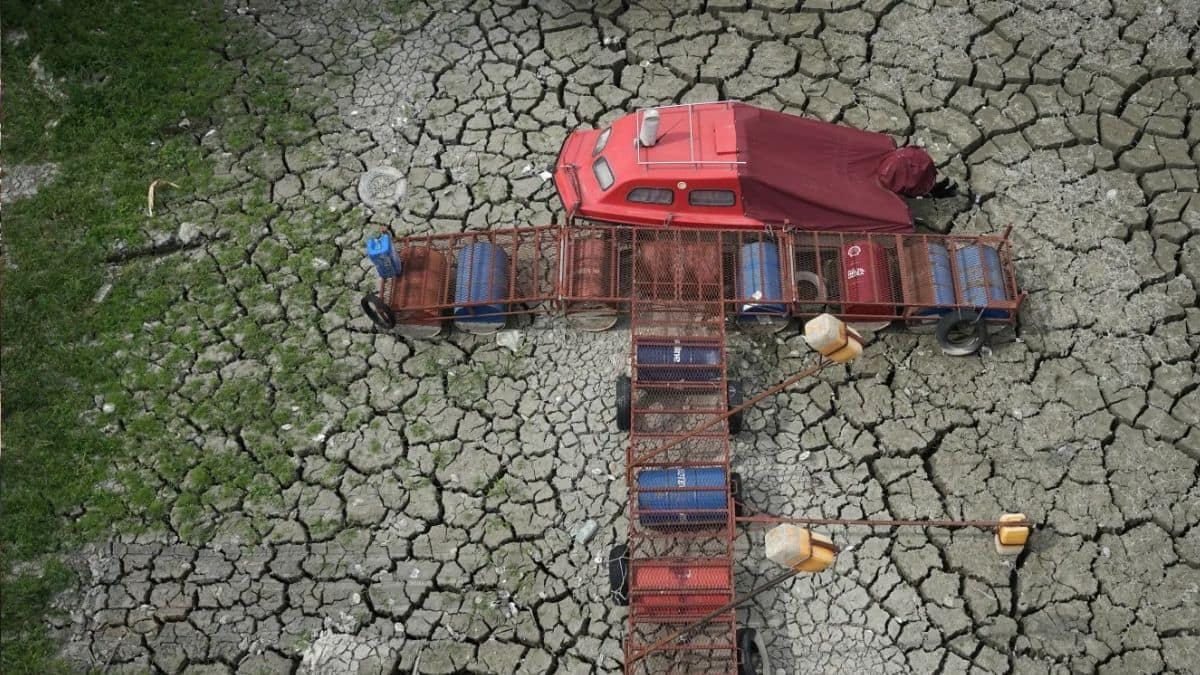
Europe’s fish farms suffer drought-driven losses
Extreme drought and record heat across Central and Eastern Europe have throttled water levels and pushed the Danube and regional fish farms toward crisis, with impacts ranging from Serbia and Hungary to Slovenia, Bosnia, the Czech Republic, and Romania. The fish industry faces multi‑million euro losses as water scarcity concentrates juvenile fish in dwindling ponds, elevating the risk of mass die‑offs as temperatures climb above 30 degrees Celsius. Hungary is a focal point, with about 99% of its land under severe to extreme drought and more than 1,500 hectares of fish ponds drying out, leading to hundreds of tonnes of fish deaths and billions of forints in potential losses, while debates over water management and allocation intensify. Beyond the immediate economic toll, the crisis underscores broader concerns about climate‑related water scarcity, desertification of the Great Hungarian Plain, and vulnerabilities in regional food systems and ecosystems, including protected wetland areas like Sárrét. In related research on coastal aquaculture, scientists suggest that parasite communities around Norwegian farms can serve as sensitive indicators of chronic environmental stress, illustrating how stress signals in aquatic ecosystems can reflect wider ecological health. Together, the reports highlight a pattern of climate‑driven stress across diverse European aquatic environments and the need for adaptation and robust water management.