Europe Heatwave 2026 Disrupts Rhine, Hits Economy
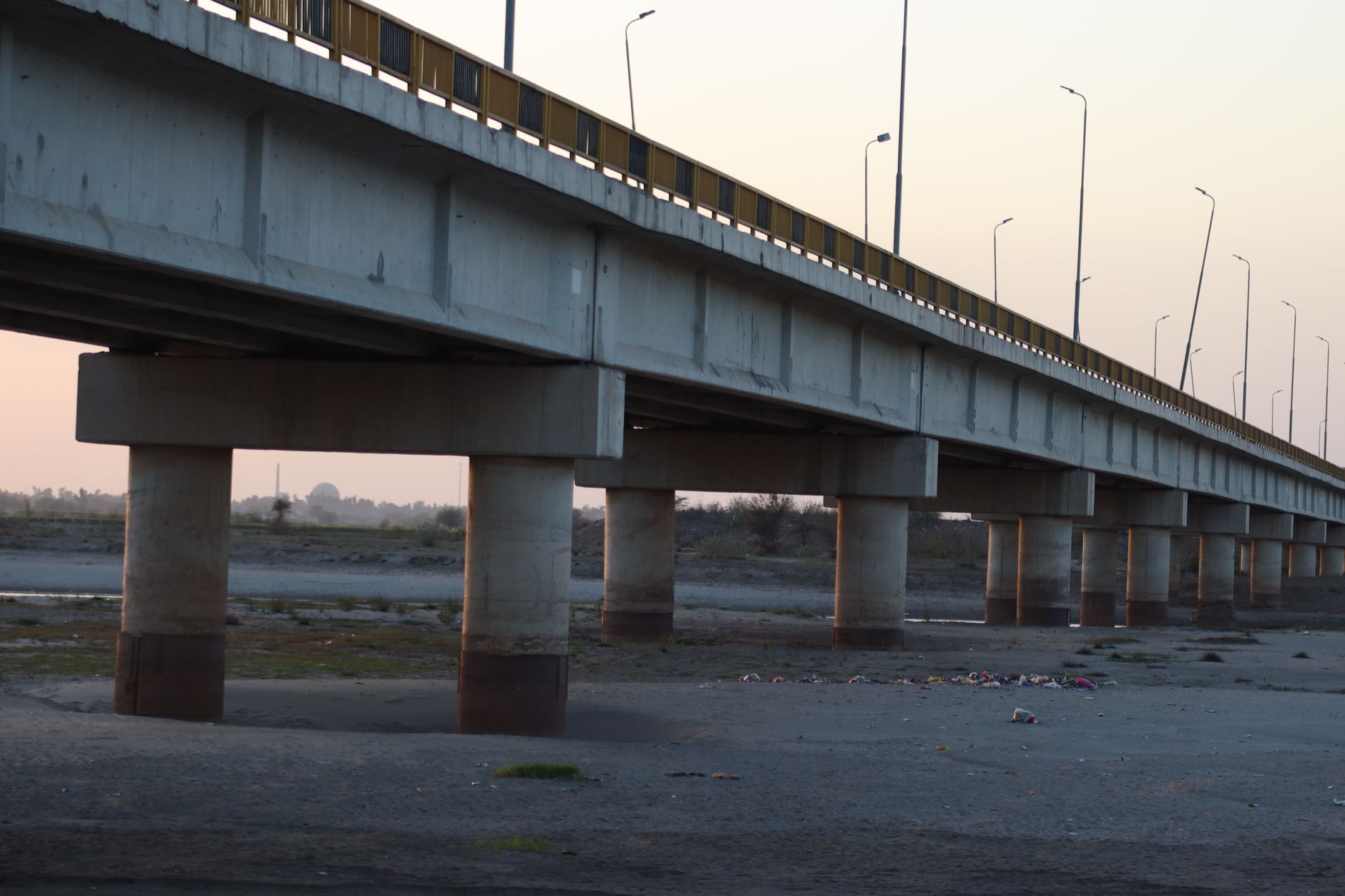
European climate disasters are increasingly a fiscal issue, with estimated EUR822 billion in losses across the EU from 1980 to 2024 and only about a quarter insured, flagging rising reconstruction costs for events like the 2024 Spain floods and other recent floods in Germany and the region. Public deficits in the euro area hover around 3% of GDP, and mounting climate damage is compounding pressures from higher defense spending and aging populations, raising policy trade-offs for governments. A prolonged heat season is translating into significant economic costs, with Dutch bank Triodos projecting around €180 billion in 2026 for the EU and threatening energy, transport, and industrial supply chains as river transport falters and cooling water for nuclear plants becomes scarce. River traffic and energy generation face disruption as low water levels on the Rhine and other waterways push up transport costs, while nuclear cooling challenges in France and Romania risk offline capacity; there is also concern over expanded uninsured losses as risks concentrate. The UK faces a notable climate adaptation funding gap, with the Climate Change Committee estimating the need for about £11 billion annually to avert escalating heat-related health impacts, but the government’s plan reportedly lacks concrete cooling measures. Satellite imagery underscores the scale of change, showing shrinking Alpine glaciers, drought-stricken rivers, and other landscape transformations prompting emergency and policy responses across Europe.