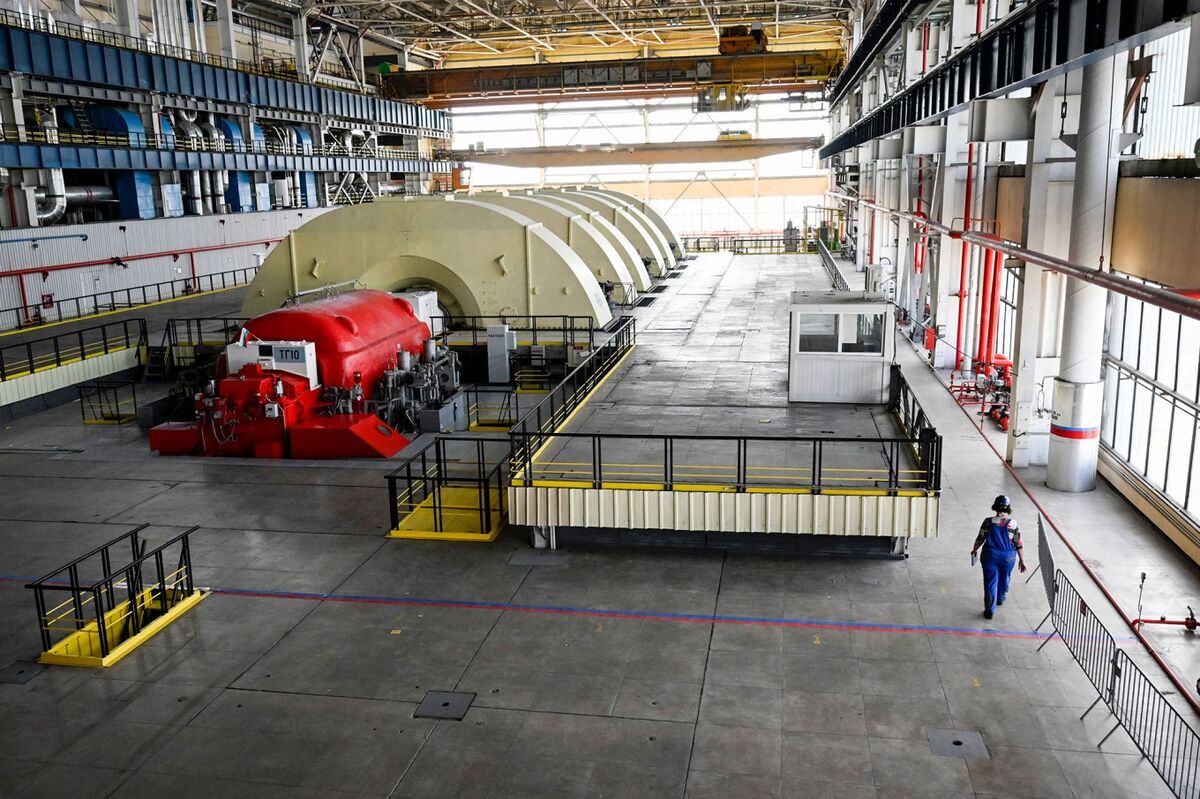
Bulgaria cuts Kozloduy nuclear output as Danube falls

Bulgaria’s Kozloduy Nuclear Power Plant will reduce the output of Unit 5 by about 120 MW, or roughly 12% of its capacity, due to an unprecedented drop in the Danube’s water levels. This marks the first time in the plant’s 52-year history that a capacity reduction has been required because of extreme meteorological and hydrological conditions, with the Danube near Ruse reported as critically low. The river’s water, used to condense steam in the plant’s non-nuclear section, is essential to safe operation, and forecasts expect the downward trend to continue. The reduction comes in a broader regional pattern as neighboring Romania and Hungary have also curtailed nuclear output amid Danube droughts, including Romania shutting down Cernavoda and Hungary scaling back at Paks. Kozloduy supplies more than a third of Bulgaria’s electricity, underscoring the broader impact of the hydrological crisis on the country’s energy security. Officials emphasise that further reductions could occur if Danube levels continue to fall, as the region grapples with record heat and drought conditions.
Where do you stand?