Biology-Driven DSM Overhaul Planned by APA
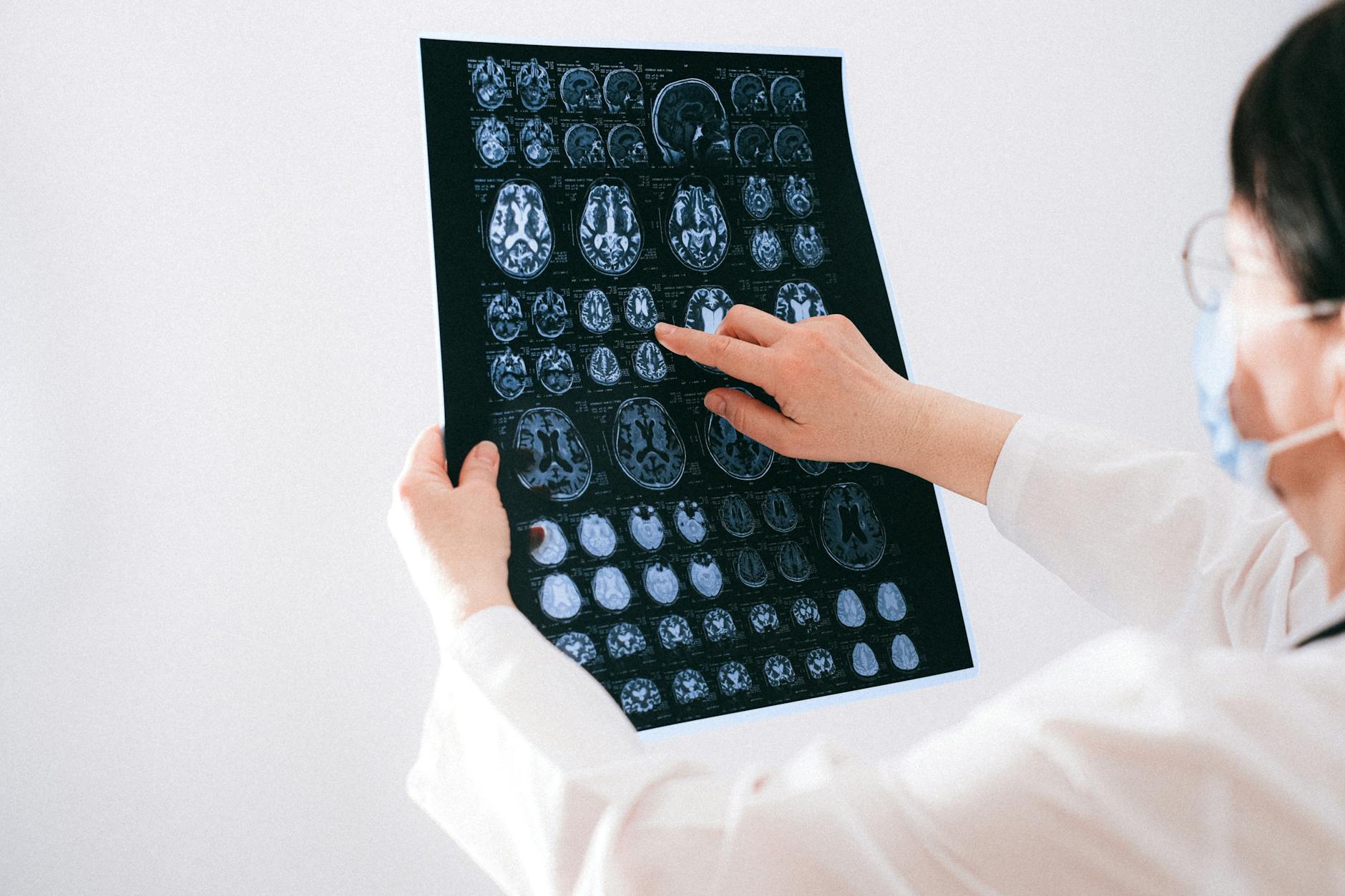
The DSM, the globally influential manual for diagnosing and researching mental disorders, has historically excluded biology from its criteria due to the biology of mental illness being only gradually understood. With the next edition in view, contributors on the DSM’s strategic committee are pushing for a modernization that integrates neurobiology, while distinguishing between biological factors that influence disease development and biomarkers that can be measured to track processes and treatment responses. The discourse emphasizes that genetic risk is polygenic, with multiple variants contributing small effects, and that future DSM revisions may incorporate genetic and biomarker data to move psychiatry toward more individualized, precision-based care. Although biological markers are not yet ready for routine clinical use, combining genetic information with psychosocial risk factors could enhance risk assessment and treatment planning. Across multiple articles, researchers argue that the DSM should evolve to reflect advances in neuroscience and genetics, even as they acknowledge the complexity of mental illness and the need for a shared clinical framework. In sum, the upcoming DSM aims to embed biological insights progressively to improve diagnostic validity and clinical utility while maintaining the DSM’s role as a common language for clinicians and researchers.
Where do you stand?