Airbnb Says It Will Offer Housing to Up to 100,000 Refugees Fleeing Ukraine
Airbnb says it is “committing to facilitate short-term housing for up to 100,000 refugees fleeing Ukraine.” According to Axios, Airbnb.org will work directly with nonprofits to determine who needs a short-term stay…
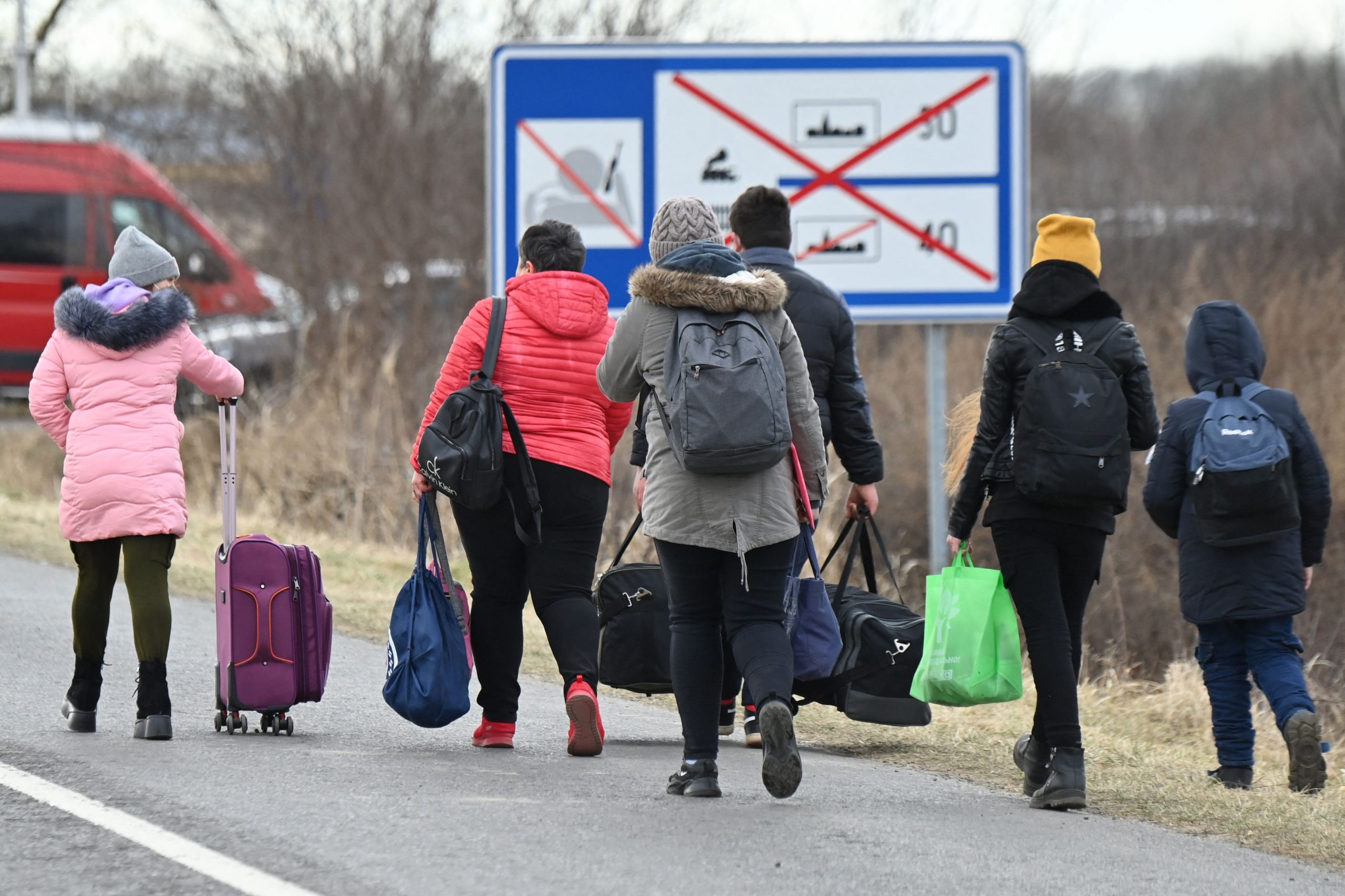
Airbnb says it is “committing to facilitate short-term housing for up to 100,000 refugees fleeing Ukraine.”
According to Axios, Airbnb.org will work directly with nonprofits to determine who needs a short-term stay. Airbnb.org is an independent nonprofit organization that works on providing temporary housing for individuals during crises.
The outlet noted Airbnb, donors to the Airbnb.org Refugee Fund and Airbnb.org hosts will fund the housing.
“While Airbnb.org is committing to facilitate short-term housing for up to 100,000 refugees fleeing Ukraine, it will work closely with governments to best support the specific needs in each country, including by providing longer-term stays,” the company said, as Axios reported.
It continued, “We know that Hosts and guests on Airbnb around the world will be eager to stand up and assist this massive effort to help those fleeing Ukraine.”
CEO Brian Chesky said the greatest need the company has is “for more people who can offer their homes in nearby countries, including Poland, Germany, Hungary and Romania.”
Chesky added, “The situation is rapidly evolving, so stay tuned for more details in the coming days.”
The U.N. High Commissioner for Refugees said Monday that more than a half-million people have fled Ukraine for neighboring countries since the beginning of the conflict, as The Washington Post reported.
More than half have traveled to Poland. They are also heading to Moldova, Slovakia, Romania and Hungary.
Two people familiar with deliberations told CBS News Thursday the Biden administration is considering protecting some Ukrainians in the United States from deportation.
White House Press Secretary Jen Psaki was asked whether a Temporary Protected Status (TPS) would be granted to Ukrainians in the U.S.
She said the decision would be made through “an interagency process led by the Department of Homeland Security.”
Psaki added, “I don’t have any kind of prediction of that at this point in time.”