Most Influential First Ladies
How do you rank the women who shaped the White House and American public life? Vote up the First Ladies you think left the biggest mark on politics, culture, and social causes.
What counts: Ranked by overall historical influence — impact on policy, public advocacy, cultural legacy, and redefinition of the First Lady role. Approval ratings and impact scores are approximate estimates based on historical reputation, not precise polling data.
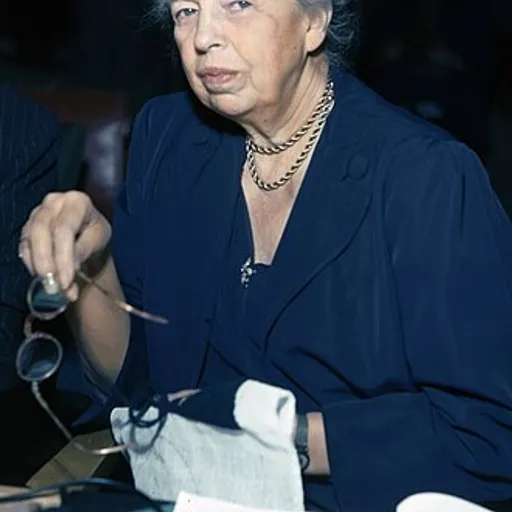
Eleanor Roosevelt▲ Rising
She held her own press conferences (open only to female reporters, forcing newspapers to hire them), wrote a daily syndicated column, and toured coal mines and battlefields as FDR's eyes and legs, transforming the First Lady from hostess into political operator. Her public break with the DAR over Marian Anderson and her later chairmanship of the UN Human Rights Commission gave the role a moral authority no successor has matched. She didn't just redefine the job — she invented the modern one.
Years as First Lady: 1933–1945Historical Influence: 10/10Signature Initiative: Human rights advocacy & UN DeclarationPublic Approval (approx.): 8.5/10
added by IJRin 2 rankingsEleanor Roosevelt
5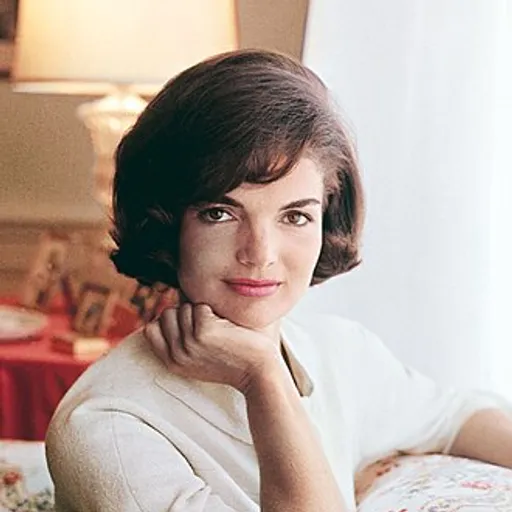
Jacqueline Kennedy
In her televised White House tour and the meticulous restoration of the mansion's historic rooms, she turned the First Lady into a cultural curator and international style icon, birthing 'Camelot' as a brand before the term even existed. Her composure during the assassination and funeral — the veil, the eternal flame, the choreography of grief — became the defining image of American mourning. Influence here is less legislative than symbolic, but no First Lady shaped the aesthetics of the office more permanently.
Years as First Lady: 1961–1963Historical Influence: 9/10Signature Initiative: White House restoration & cultural diplomacyPublic Approval (approx.): 9/10
added by IJR
4_(much_further_cropped).jpg?width=512)
Her 'Be Best' initiative on childhood well-being and cyberbullying drew persistent criticism for its dissonance with her husband's own online conduct, making her tenure defined less by policy wins than by symbolic friction and deliberate opacity. She kept an unusually low public profile compared to recent predecessors, living separately from the White House for a stretch and rarely explaining herself, which became its own kind of statement about the role's expectations. Her influence lies less in what she built than in how visibly she declined to perform the job as recent history had defined i
Years as First Lady: 2017–2021; 2025–Historical Influence: 7/10Signature Initiative: Be Best (children's well-being & online safety)Public Approval (approx.): 6/10
added by IJRMelania Trump
3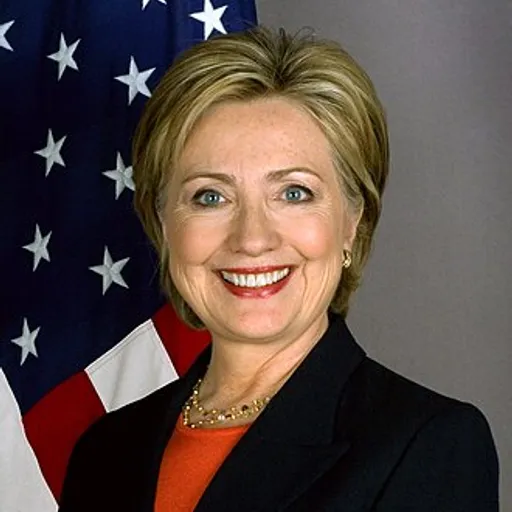
She led the 1993 health care task force from an office in the West Wing, an unprecedented policymaking role for a First Lady that flopped legislatively but permanently shattered the idea that she should stay in the East Wing lane. Her 1995 Beijing declaration that 'women's rights are human rights' echoed globally, and she then did what no former First Lady had: won elected office herself, becoming senator, Secretary of State, and a major-party presidential nominee. She is the hinge figure between First Lady as advocate and First Lady as future head of state.
Years as First Lady: 1993–2001Historical Influence: 8.5/10Signature Initiative: Health care reform advocacyPublic Approval (approx.): 6.5/10
added by IJRin 2 rankingsHillary Clinton
0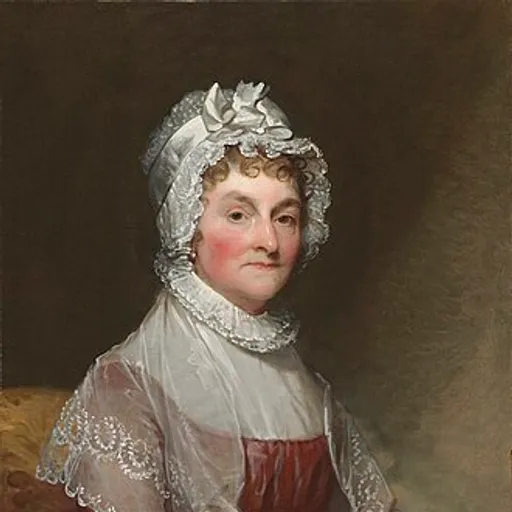
Her 'remember the ladies' letter to John during the Continental Congress is the founding feminist text of the office, decades before there was an office to speak of. As an unofficial advisor so influential that critics nicknamed her 'Mrs. President,' she proved a president's spouse could be a genuine political partner rather than ornamental company. She set a template of intellectual partnership that most 19th-century successors would abandon, making her influence retroactive as much as immediate.
Years as First Lady: 1797–1801Historical Influence: 8/10Signature Initiative: Early advocate for women's rights ('Remember the Ladies')Public Approval (approx.): 7.5/10
added by IJRAbigail Adams
0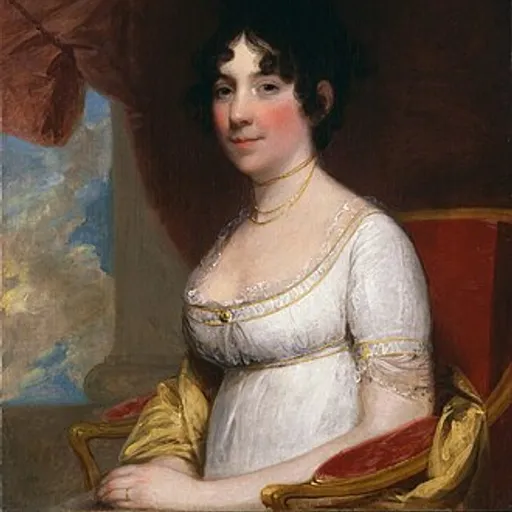
She saved Gilbert Stuart's portrait of Washington from the burning White House in 1814, a single act of cool-headed symbolism that made her a national heroine and cemented the mansion itself as sacred civic space. Beyond that legend, she basically invented the First Lady's social and diplomatic role, hosting bipartisan gatherings that softened Washington's brutal early party politics. She is the reason the job carries any ceremonial glamour at all.
Years as First Lady: 1809–1817Historical Influence: 8/10Signature Initiative: Defined the social role of First Lady; saved White House artPublic Approval (approx.): 8/10
added by IJRDolley Madison
0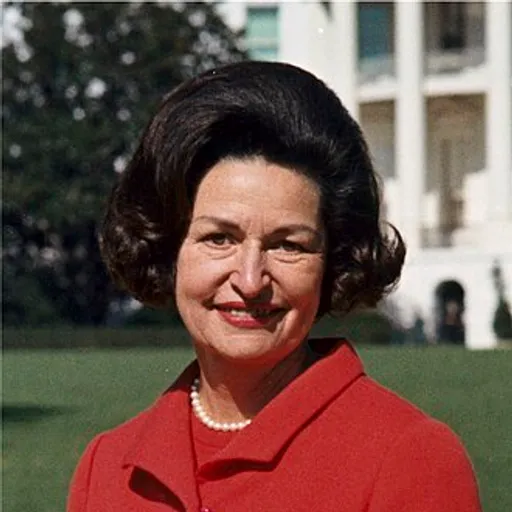
Her Highway Beautification Act crusade — ripping billboards off American interstates and planting wildflowers along them — was genuine, muscled legislative advocacy pushed through Congress under her own name. She also pioneered the whistle-stop campaign tour with the 1964 'Lady Bird Special,' proving a First Lady could be a standalone political asset. Environmental policy and modern campaign strategy both bear her fingerprints.
Years as First Lady: 1963–1969Historical Influence: 7.5/10Signature Initiative: Highway Beautification ActPublic Approval (approx.): 7.5/10
added by IJRLady Bird Johnson
0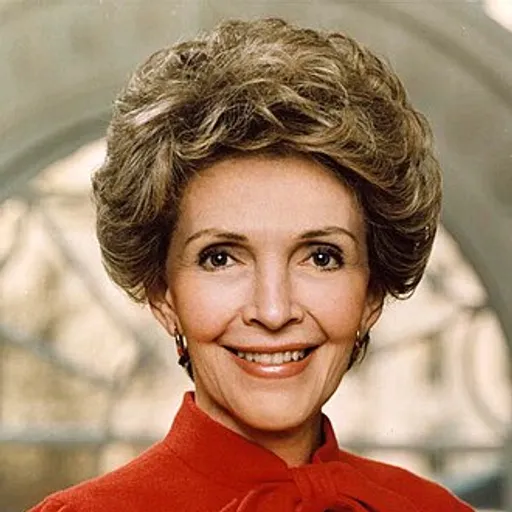
'Just Say No' became the defining, if debated, face of 1980s anti-drug policy, turning a First Lady's pet cause into federal curriculum and pop-culture shorthand. Behind the scenes, her fierce protectiveness of Reagan after the 1981 assassination attempt — including consulting an astrologer to schedule his events — revealed a First Lady wielding real, if secretive, influence over presidential decision-making. She weaponized image control as political strategy more nakedly than any predecessor.
Years as First Lady: 1981–1989Historical Influence: 7.5/10Signature Initiative: 'Just Say No' anti-drug campaignPublic Approval (approx.): 6.5/10
added by IJRNancy Reagan
0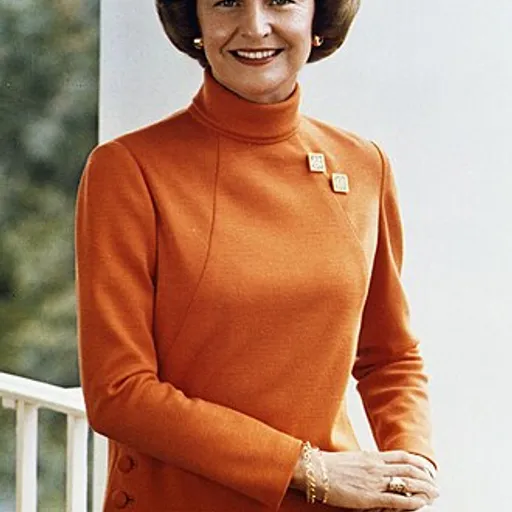
Weeks into her husband's presidency she went public about her breast cancer diagnosis, single-handedly de-stigmatizing the disease and triggering a nationwide spike in mammogram screenings. She then went further, openly discussing her addiction to alcohol and painkillers, founding the Betty Ford Center and making candor about mental health and substance abuse a First Lady legacy rather than a private shame. Few occupants of the role saved more literal lives through sheer honesty.
Years as First Lady: 1974–1977Historical Influence: 7/10Signature Initiative: Breast cancer & addiction awarenessPublic Approval (approx.): 7.5/10
added by IJRBetty Ford
0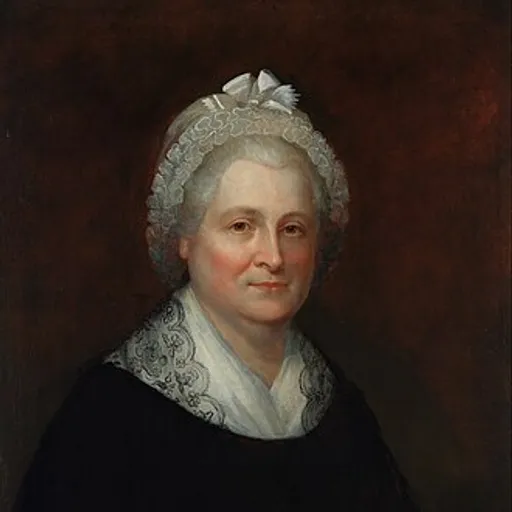
Martha Washington
With zero precedent to follow, she invented the job from scratch — the weekly receptions, the balance of republican simplicity and necessary formality, the title 'Lady Washington' that Americans settled on instead of anything monarchical. Her choices about what a president's household should look like calibrated the new nation's anxious relationship with power and pageantry. Every First Lady since has been improvising on a template she built with no map.
Years as First Lady: 1789–1797Historical Influence: 7/10Signature Initiative: Established precedents for the role of First LadyPublic Approval (approx.): 7/10
added by IJR
0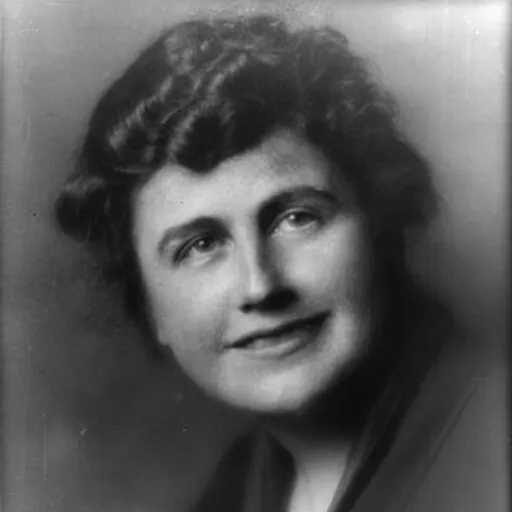
After Woodrow Wilson's incapacitating 1919 stroke, she effectively ran the executive branch's daily operations for over a year, deciding what reached the president's desk and what didn't — a shadow presidency later dubbed the 'Petticoat Government.' It was never officially acknowledged and constitutionally dubious, but it stands as the single most direct exercise of governmental power by any First Lady in American history. Her legacy is a cautionary tale as much as a triumph, but its sheer audacity earns its place here.
Years as First Lady: 1915–1921Historical Influence: 7/10Signature Initiative: De facto executive power during Wilson's illnessPublic Approval (approx.): 5/10
added by IJREdith Wilson
0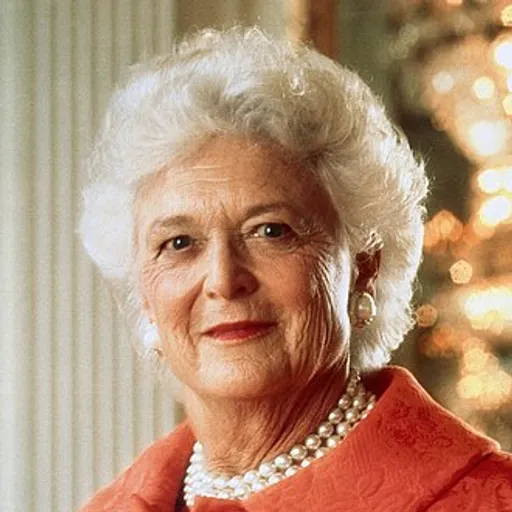
Barbara Bush
She made literacy her signature cause, founding a foundation that funneled resources into family reading programs nationwide, and did it with a self-deprecating, plainspoken warmth that made her one of the most consistently popular political spouses in modern polling. Her handling of the AIDS crisis — visibly hugging and holding HIV-positive infants at a Washington hospital in 1989 — pushed back against stigma at a moment when compassion toward AIDS patients was still politically risky. She proved gravitas didn't require reinvention of the role, just steady moral clarity within it.
Years as First Lady: 1989–1993Historical Influence: 6.5/10Signature Initiative: Literacy advocacyPublic Approval (approx.): 8/10
added by IJR
0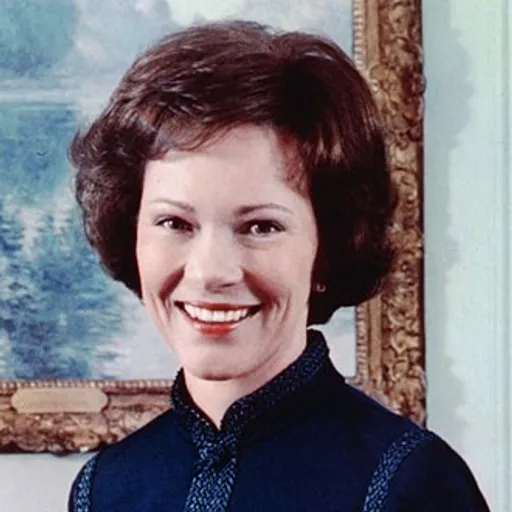
She sat in on cabinet meetings and testified before Congress on mental health policy, helping pass the Mental Health Systems Act of 1980 — one of the most substantively legislative achievements by any First Lady. Dubbed the 'Steel Magnolia,' she treated the East Wing as a genuine policy shop, and her decades of post-White House caregiving advocacy through the Carter Center extended her influence far beyond a single term. Few First Ladies married advocacy this closely to actual statutory outcomes.
Years as First Lady: 1977–1981Historical Influence: 6.5/10Signature Initiative: Mental health reform advocacyPublic Approval (approx.): 6.5/10
added by IJRRosalynn Carter
0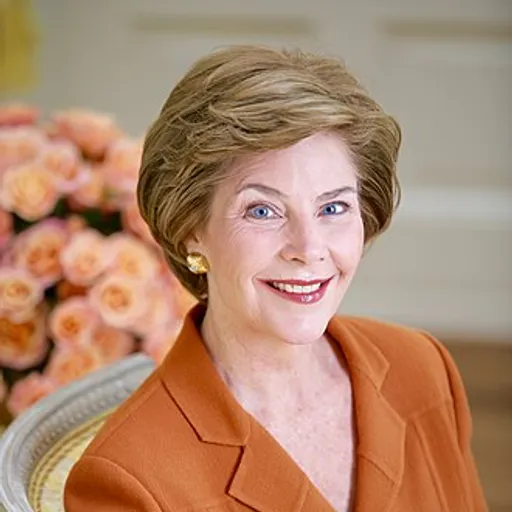
A former librarian, she leveraged the National Book Festival and global literacy campaigns into soft-power diplomacy, but her most consequential turn came post-9/11 and in advocating for women's rights in Afghanistan, delivering the first solo presidential radio address by a First Lady to spotlight the Taliban's treatment of women. Quiet and famously non-controversial, she wielded influence through sustained, unglamorous consistency rather than headline moments. Her legacy is proof that steadiness itself can be a form of power in the role.
Years as First Lady: 2001–2009Historical Influence: 6/10Signature Initiative: Education & literacy advocacyPublic Approval (approx.): 7.5/10
added by IJRLaura Bush
0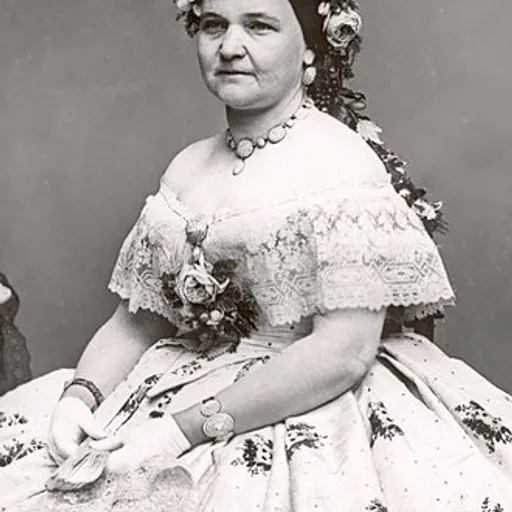
She redecorated a shabby Civil War-era White House into a symbol of Union permanence and hosted lavish receptions meant to project stability while the nation tore itself apart, spending so extravagantly it triggered a public scandal. Her fierce, sometimes erratic political opinions — she lobbied her husband on patronage and cabinet appointments — made her a genuine, if messy, behind-the-scenes influence during the war's darkest years. Her later public unraveling after Lincoln's assassination also made her the era's most visible cautionary example of the psychological toll the role could exact.
Years as First Lady: 1861–1865Historical Influence: 6/10Signature Initiative: White House social hosting during Civil WarPublic Approval (approx.): 4.5/10
added by IJRMary Todd Lincoln
0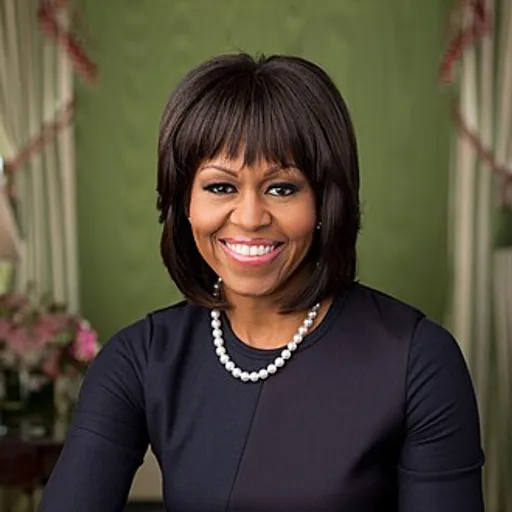
'Let's Move!' took on childhood obesity and school lunch policy with real regulatory teeth, while her 'When they go low, we go high' 2016 convention speech became a generational rallying cry independent of her husband's politics. As the first Black First Lady, her mere presence rewired assumptions about who belongs in that role, and her memoir 'Becoming' became one of the bestselling books by any First Lady ever. She proved the office could carry both soft-power cultural weight and hard policy ambition simultaneously.
Years as First Lady: 2009–2017Historical Influence: 9/10Signature Initiative: Let's Move! childhood obesity campaignPublic Approval (approx.): 8.5/10
added by IJRin 2 rankingsMichelle Obama
-3
Keep ranking
Comments
Free account · your comment posts right after signup