Most iconic photographs in history
Some photographs transcend their moment, becoming permanent fixtures in our collective memory and shaping how we understand entire eras of human history. From moon landings to street protests, these images have stopped time, sparked change, and told stories words never could. Which photograph do you believe deserves the title of most iconic ever captured? Cast your vote and help settle the debate.
What counts: Seeded with approximate figures where shown — the crowd's votes decide the order.
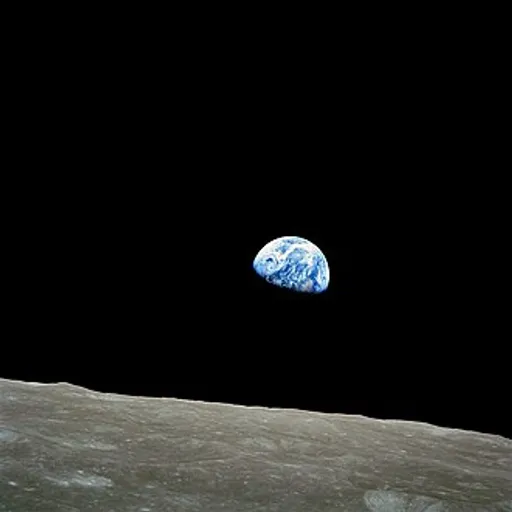
Earthrise▲ Rising
Christmas Eve, 1968: Apollo 8 astronaut William Anders swings his camera around and catches a marbled blue-and-white Earth rising over the Moon's desolate horizon. It's credited with kickstarting the environmental movement almost single-handedly, giving humanity its first gut-punch glimpse of home as a fragile, finite oasis in the void. No other photo has ever made so many people feel simultaneously tiny and responsible.
Era: 1968
added by IJRin 3 rankings
85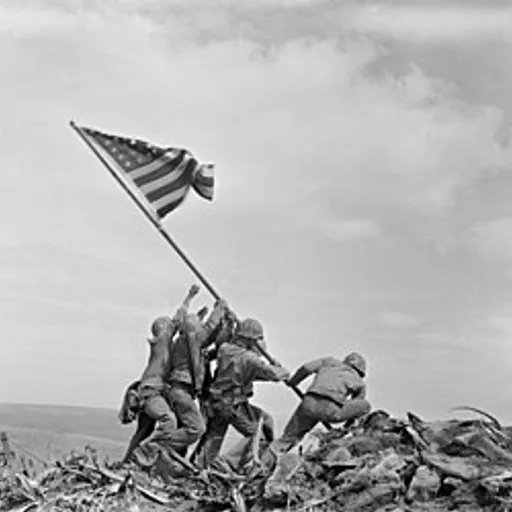
Raising the Flag on Iwo Jima▲ Rising
Joe Rosenthal's camera catches six Marines straining together to plant a pole atop Mount Suribachi in February 1945, the composition so perfectly balanced it looks staged — it wasn't. It won a Pulitzer within weeks, got turned into the Marine Corps War Memorial, and became the definitive visual shorthand for American sacrifice and victory in WWII. Few images have been reproduced, parodied, and monumentalized as relentlessly as this one.
Era: 1945
added by IJRin 3 rankings
53
The Blue Marble▲ Rising
Apollo 17's crew, the last humans to leave low Earth orbit, snapped this fully illuminated view of the whole planet in December 1972 — the first time Earth had been photographed as a complete, cloud-swirled sphere. NASA didn't even know who exactly pressed the shutter, but the image became one of the most reproduced photographs ever, plastered on flags, textbooks, and Whole Earth Catalogs. It gave the nascent environmental movement its logo and gave everyone else a reminder that we're all stuck on one small, blue rock together.
Era: 1972
added by IJRin 2 rankings
26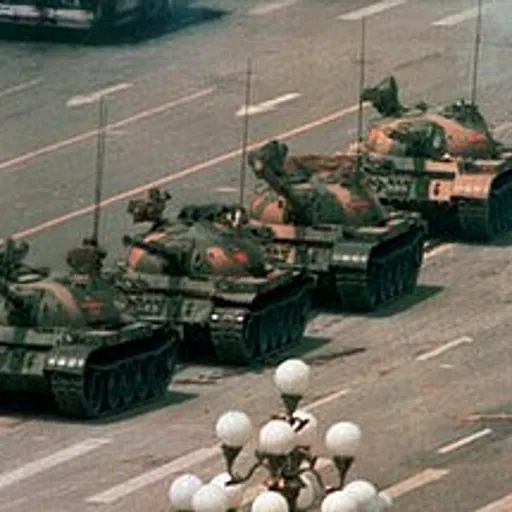
Tank Man▲ Rising
June 5, 1989, the morning after the Tiananmen Square massacre: an unidentified man in a white shirt stands alone in front of a column of tanks, briefly halting them with nothing but his body and a couple of shopping bags. He was never identified, likely never survived, yet his silhouette became the single most potent visual symbol of individual defiance against state power ever recorded. It's the rare photo that changed nothing politically in the moment and everything symbolically forever after.
Era: 1989
added by IJRin 3 rankingsTank Man
18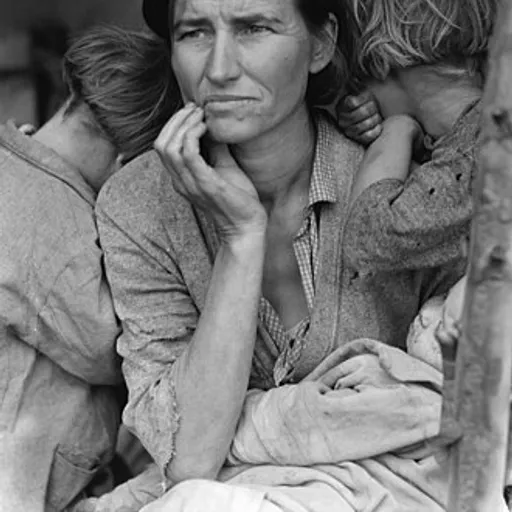
Migrant Mother▼ Falling
Dorothea Lange, working for the Farm Security Administration in 1936, spotted Florence Owens Thompson at a California pea-pickers camp and took six frames in ten minutes; the final one shows a gaunt mother staring into middle distance, two children burying their faces against her. It became the face of the Great Depression, running in newspapers and prompting emergency food aid to the camp within days. Its power lies in how it dignifies desperation without ever asking for pity — it demands recognition instead.
Era: 1936
added by IJRin 3 rankings
6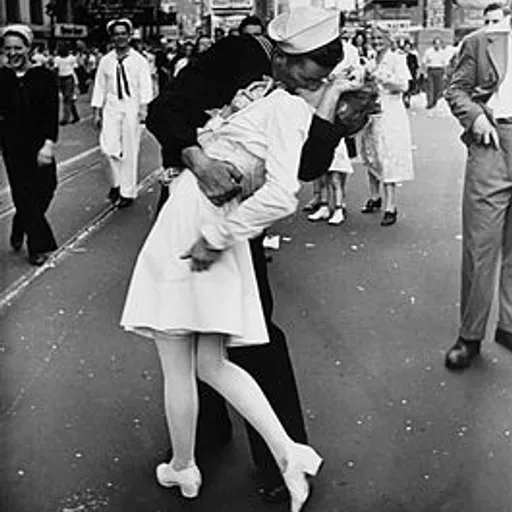
V-J Day in Times Square▼ Falling
Alfred Eisenstaedt caught a sailor sweeping a stranger, a dental assistant named Greta Zimmer Friedman, into a kiss amid the euphoric chaos of Times Square on August 14, 1945, the day Japan surrendered. It ran in Life magazine as pure, uncomplicated jubilation — the exhale of a world finally free of war. Decades later it's been reexamined and contested as an unconsented act caught mid-frame, which only makes its cultural footprint more fascinating: an image once read as pure joy now forces harder conversations about consent and memory.
Era: 1945
added by IJRin 3 rankings
-26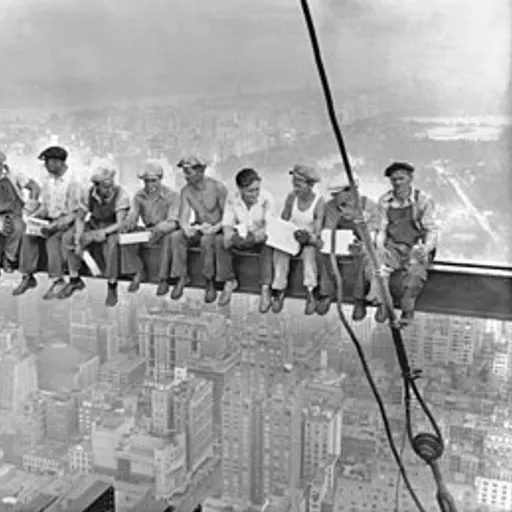
Lunch atop a Skyscraper▼ Falling
Eleven construction workers dangle their legs off a girder 850 feet above Manhattan, casually eating lunch as if gravity were optional, all while building GE's 30 Rockefeller Plaza in 1932. Nobody's even certain who took it or fully who's in it, and it was largely a publicity stunt for the building itself — yet it became the ultimate image of Depression-era American grit, skyline ambition, and blue-collar swagger. It's the photo every office poster of
Era: 1932
added by IJRin 2 rankings
-30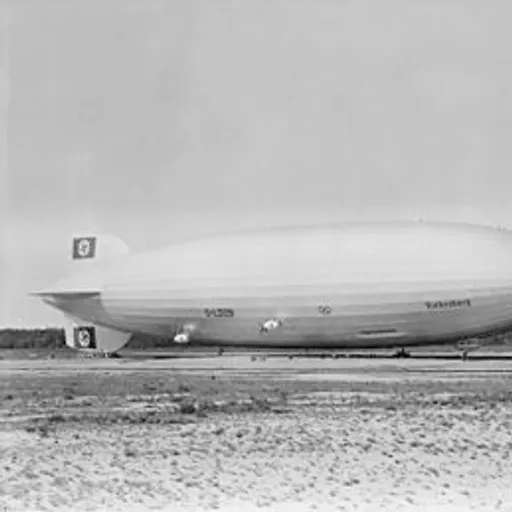
The Hindenburg▼ Falling
On May 6, 1937, photographer Sam Shere captured the German airship LZ 129 Hindenburg erupting into a ball of flame as it attempted to dock in Lakehurst, New Jersey, killing 36 people in under a minute. The image, paired with Herbert Morrison's anguished radio cry of
Era: 1937
added by IJR
-43
Keep ranking
Comments (6)
Free account · your comment posts right after signup
This order is closer to right than any editor would've gotten.
Voted — and the gap between #1 and #2 should be bigger.
- GGwen SilvaJul 28, 2026
The crowd is sleeping on the bottom half of this list.
Exactly the kind of argument the internet was built for.