Most consequential treaties
From ending wars to redrawing borders and reshaping global power, treaties have quietly steered the course of human history more than almost any battle or invention. Some created lasting peace, others sowed the seeds of future conflict, and a few reshaped the world order entirely. Which treaty do you think left the deepest mark on history? Cast your vote and help decide the ranking.
What counts: Seeded with approximate figures where shown — the crowd's votes decide the order.
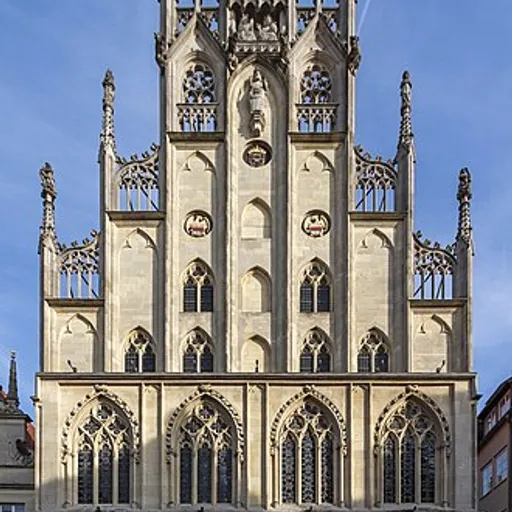
Peace of Westphalia▲ Rising
Ending the Thirty Years' War in 1648, this pair of treaties enshrined the principle that rulers, not popes or emperors, held sovereignty within their own borders. It effectively invented the modern nation-state system that still structures international law and diplomacy today, making it the foundational document of the world order we live in.
Era: 1648
added by IJRin 3 rankings
43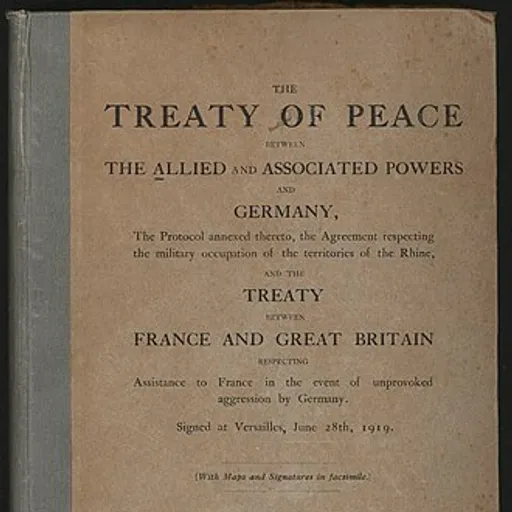
Treaty of Versailles▲ Rising
Signed in the Hall of Mirrors in June 1919, it forced Germany to accept sole blame for World War I, surrender territory, disarm, and pay staggering reparations. The 'stab in the back' resentment it fueled gave Hitler his most potent grievance, making this less a peace treaty than a twenty-year armistice on the road to an even bloodier war.
Era: 1919
added by IJRin 3 rankings
33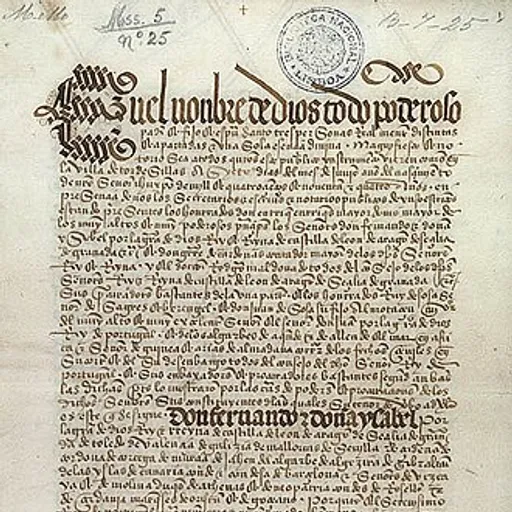
Treaty of Tordesillas▲ Rising
In 1494 Spain and Portugal, with the Pope's blessing, drew a single line down the Atlantic and casually divided the entire non-European world between themselves. That line gave Brazil its Portuguese accent amid a Spanish-speaking continent and set the template for European colonial carve-ups that would reshape the fates of billions.
Era: 1494
added by IJRin 2 rankings
19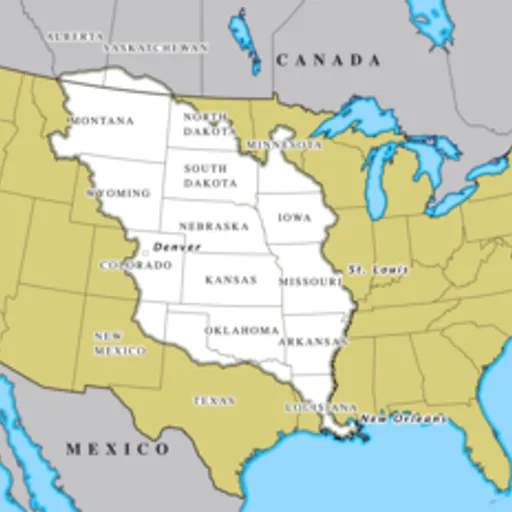
Louisiana Purchase▲ Rising
For roughly $15 million in 1803, Napoleon—desperate for cash and disillusioned with New World ambitions—sold Thomas Jefferson 828,000 square miles, instantly doubling the size of the United States. It transformed a coastal republic into a continental power destined for westward expansion, making it arguably the greatest real estate deal in history and a hinge point for American empire.
Era: 1803
added by IJR
16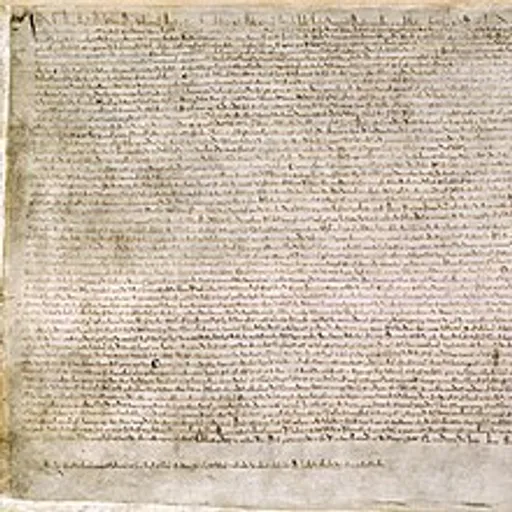
Magna Carta
Sealed by a cornered King John at Runnymede in 1215, this charter was meant to appease rebellious barons but ended up planting the seed that no ruler is above the law. Its clauses on due process and consent to taxation echoed centuries later into the U.S. Constitution and modern human rights law, making a medieval peace deal the ancestor of constitutional government itself.
Era: 1215
added by IJRin 3 rankings
3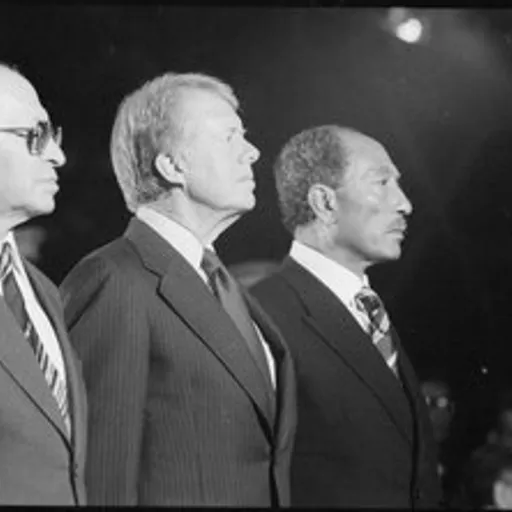
Camp David Accords
After thirteen days of secluded, grueling negotiation brokered by Jimmy Carter in 1978, Egypt's Sadat and Israel's Begin did the unthinkable: they made peace. It was the first time an Arab state recognized Israel, costing Sadat his life to assassins three years later but proving that Middle East peace, however fragile, wasn't impossible.
Era: 1978
added by IJRin 3 rankings
-2Good Friday Agreement▼ Falling
Signed in 1998 after decades of sectarian violence known as the Troubles, this agreement got unionists and nationalists to share power in Northern Ireland while finessing the border question with deliberate ambiguity. It didn't erase old hatreds, but it stopped the bombs and bullets, proving that even the most intractable ethnic conflicts can be talked into an uneasy, enduring peace.
Era: 1998
added by IJR
-6Treaty of Paris▼ Falling
There are several treaties by this name, but the 1783 version stands out—it ended the American Revolutionary War and had Britain formally recognize the independence of the United States. In a stroke, thirteen rebellious colonies became a sovereign nation, setting in motion the experiment in republican democracy that would go on to reshape global politics.
Era: 1783
added by IJR
-30
Keep ranking
Comments (10)
Free account · your comment posts right after signup
Voted — and the gap between #1 and #2 should be bigger.
Exactly the kind of argument the internet was built for.
This order is closer to right than any editor would've gotten.
The crowd is sleeping on the bottom half of this list.