Most Consequential Supreme Court Justices
From landmark opinions to decades-long ideological shifts, these justices reshaped American law. Vote for who you think left the deepest mark on the Constitution.
What counts: Ranked by breadth and lasting impact of judicial legacy, influence on constitutional doctrine, and historical significance. Tenure years and case counts are approximate; ratings are subjective consensus estimates.
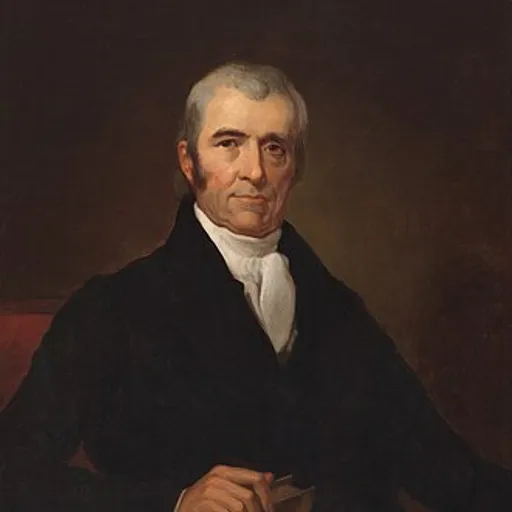
John Marshall
In Marbury v. Madison (1803) he invented judicial review out of thin air, quietly arming the Court with the power to strike down laws it deemed unconstitutional — a move so audacious it took decades for anyone to fully grasp what he'd done. Over 34 years as Chief Justice he built the federal government's supremacy in McCulloch v. Maryland and Gibbons v. Ogden, essentially authoring the operating system of American constitutional law. No one else on this list built the machine; everyone else just used it.
Years on Court: 1801-1835Chief Justice?: ✓Signature Case: Marbury v. MadisonHistorical Impact: 10/10Ideological Lean: Federalist
added by IJRin 2 rankings
0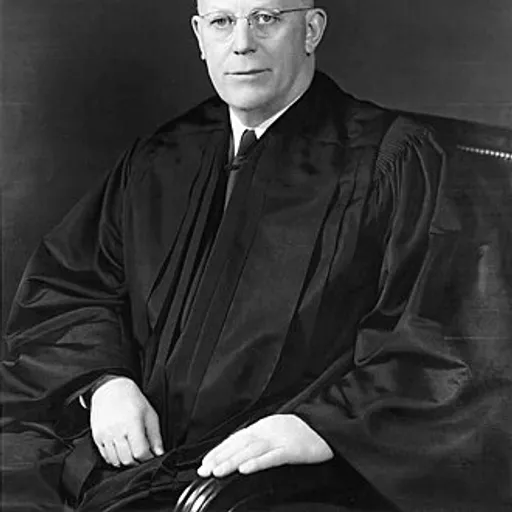
A former California governor with no judicial pedigree, Warren unanimously dismantled Jim Crow schooling in Brown v. Board of Education (1954), then kept going — Miranda rights, one-person-one-vote, incorporation of the Bill of Rights against the states. The 'Warren Court' became shorthand for judicially-driven social revolution, terrifying conservatives and inspiring liberals for two generations. Few justices changed more of daily American life with a single tenure.
Years on Court: 1953-1969Chief Justice?: ✓Signature Case: Brown v. Board of EducationHistorical Impact: 9.8/10Ideological Lean: Liberal
added by IJRin 5 rankingsEarl Warren
0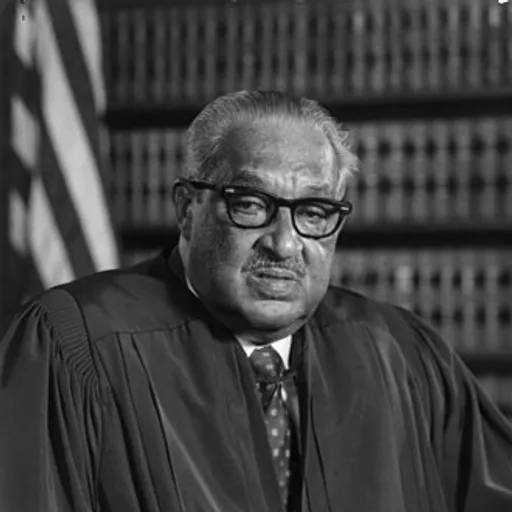
Before he ever wore a robe, Marshall argued Brown v. Board and won, dismantling segregation as the NAACP's chief litigator — arguably the most consequential lawyering career in American history predates his seat. As the Court's first Black justice, he spent 24 years as its conscience on race and poverty, often in lonely dissent as the Court drifted rightward beneath him. His legacy is inseparable from the moral architecture of civil rights itself.
Years on Court: 1967-1991Chief Justice?: —Signature Case: Brown v. Board (as advocate)Historical Impact: 9.3/10Ideological Lean: Liberal
added by IJRin 2 rankingsThurgood Marshall
0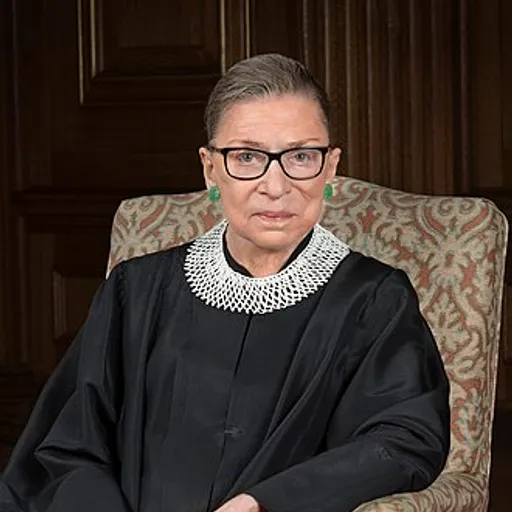
Before Notorious RBG became a meme, she was the architect of modern sex-discrimination law, winning case after case in the 1970s by convincing all-male courts that gender stereotyping harmed men too. On the bench she wrote the majority opinion opening VMI to women and became the fiery dissenting voice against Shelby County and Ledbetter, turning judicial dissent into cultural phenomenon. Her death in 2020 reshaped the Court's ideological balance more than almost any single event in modern history.
Years on Court: 1993-2020Chief Justice?: —Signature Case: United States v. VirginiaHistorical Impact: 9.2/10Ideological Lean: Liberal
added by IJRin 2 rankingsRuth Bader Ginsburg
0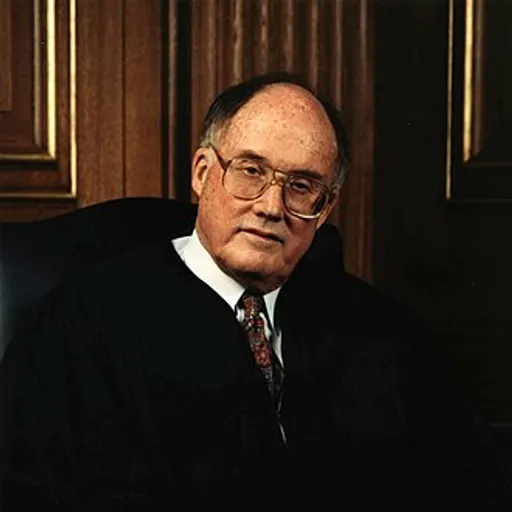
Once a lone dissenter as an associate justice, Rehnquist rose to Chief and spent 19 years quietly reviving federalism, curbing Congress's Commerce Clause power in Lopez and Morrison after six decades of expansion. He presided over Bush v. Gore, effectively deciding a presidential election, and steered the Court rightward without the theatrical fireworks of his colleagues. His patient institutionalism reshaped federal-state power balance for a generation.
Years on Court: 1972-2005Chief Justice?: ✓Signature Case: United States v. LopezHistorical Impact: 8.9/10Ideological Lean: Conservative
added by IJRin 2 rankingsWilliam Rehnquist
0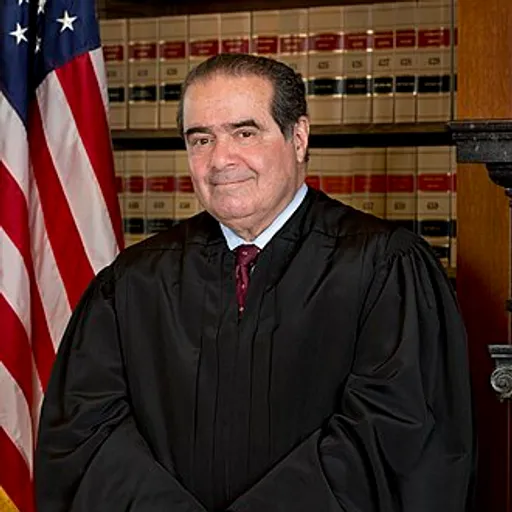
Scalia didn't just vote conservative, he sold a whole judicial philosophy — originalism and textualism — turning legal argument into a movement that trained a generation of lawyers and judges long before he wrote District of Columbia v. Heller. His acid-tongued dissents became must-read literature, and the Federalist Society pipeline he inspired outlived him to reshape the entire Court. Few justices changed how lawyers think rather than just what they decide.
Years on Court: 1986-2016Chief Justice?: —Signature Case: District of Columbia v. HellerHistorical Impact: 9/10Ideological Lean: Conservative
added by IJRin 3 rankingsAntonin Scalia
0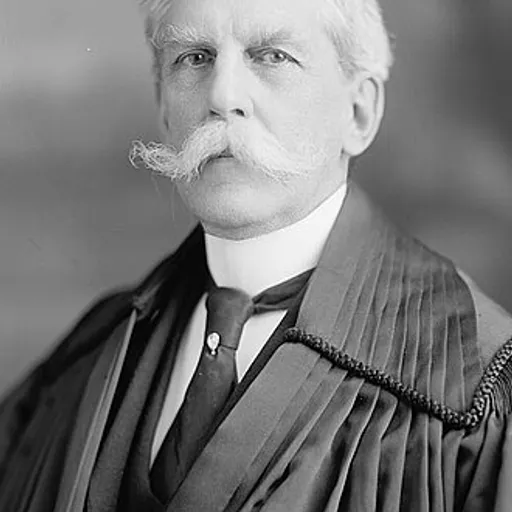
Oliver Wendell Holmes Jr.
The 'Great Dissenter' spent decades arguing against a laissez-faire Court obsessed with striking down labor laws, insisting the Constitution didn't enact Herbert Spencer's Social Statics — his Lochner dissent became a rallying cry for New Deal jurisprudence decades later. He gave America 'clear and present danger' and 'marketplace of ideas,' phrases so embedded in free-speech law they're now common parlance. His minority opinions proved more durable than most majorities of his era.
Years on Court: 1902-1932Chief Justice?: —Signature Case: Schenck v. United StatesHistorical Impact: 8.8/10Ideological Lean: Progressive-leaning
added by IJRin 2 rankings
0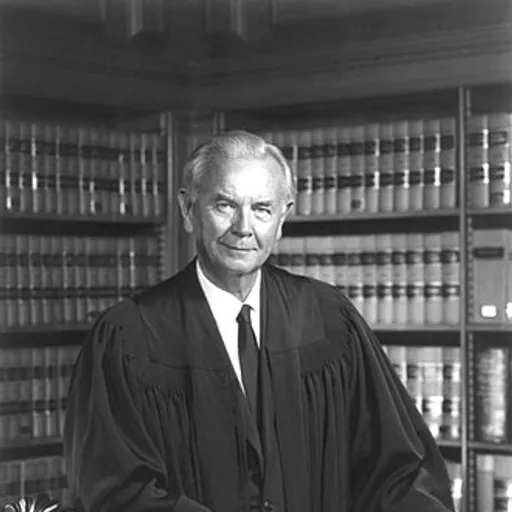
William Brennan Jr.
The intellectual engine of the Warren Court, Brennan crafted the 'actual malice' standard in New York Times v. Sullivan, effectively creating modern press freedom, then kept pushing liberal doctrine through the more conservative Burger years via sheer coalition-building genius. He treated the Constitution as a 'living' document meant to expand liberty, and his fingerprints are on nearly every major individual-rights case of the mid-20th century. For pure doctrinal fertility, few justices matched his output.
Years on Court: 1956-1990Chief Justice?: —Signature Case: Baker v. CarrHistorical Impact: 8.9/10Ideological Lean: Liberal
added by IJR
0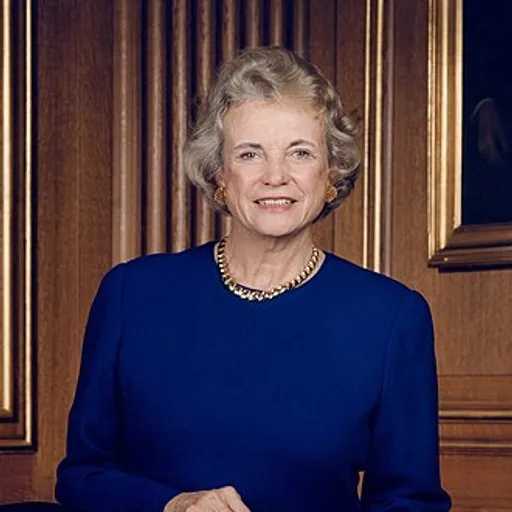
The first woman on the Court, O'Connor became the ultimate swing vote for over two decades, her 'undue burden' standard in Planned Parenthood v. Casey preserving abortion rights while gutting Roe's original framework, a classic O'Connor compromise nobody loved but everybody had to live with. She decided affirmative action, campaign finance, and Bush v. Gore cases almost single-handedly by occupying the Court's exact center. Her retirement in 2006 arguably shifted the Court's ideology more than any confirmation battle.
Years on Court: 1981-2006Chief Justice?: —Signature Case: Planned Parenthood v. CaseyHistorical Impact: 8.7/10Ideological Lean: Moderate/Swing
added by IJRin 3 rankingsSandra Day O'Connor
0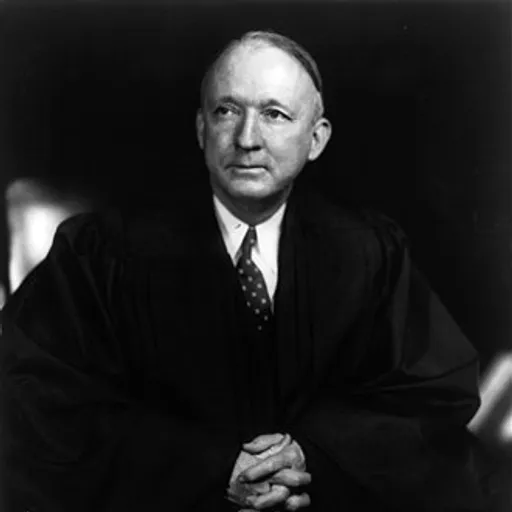
A former Klansman turned civil libertarian, Black spent 34 years insisting the Bill of Rights should apply literally and fully against the states, driving the incorporation doctrine that nationalized free speech, counsel, and search protections. His absolutist reading of the First Amendment — 'no law means no law' — pushed the Court toward its modern speech-protective posture. Few justices traveled further ideologically or left as durable a textualist imprint on individual rights.
Years on Court: 1937-1971Chief Justice?: —Signature Case: Gideon v. WainwrightHistorical Impact: 8.5/10Ideological Lean: Liberal
added by IJRin 3 rankingsHugo Black
0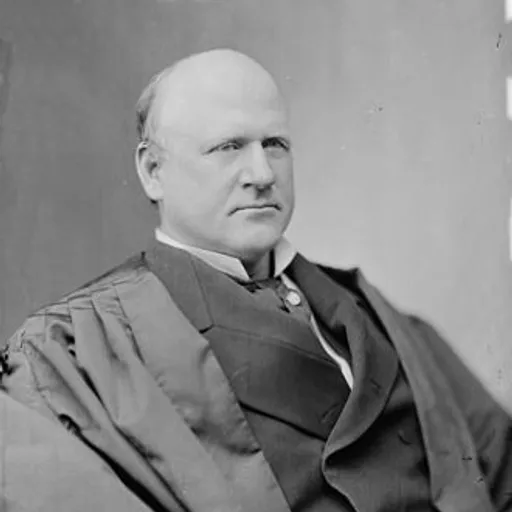
John Marshall Harlan I
The 'Great Dissenter' stood alone against Plessy v. Ferguson in 1896, declaring the Constitution 'color-blind' while his colleagues blessed segregation for the next 58 years — a dissent so far ahead of its time it became the blueprint for Brown v. Board's reasoning. He also dissented against the Civil Rights Cases gutting Reconstruction-era protections, marking him as the Court's lone conscience during its most shameful era. His legacy is the ultimate vindication-by-history story.
Years on Court: 1877-1911Chief Justice?: —Signature Case: Plessy v. Ferguson (dissent)Historical Impact: 8.3/10Ideological Lean: Independent
added by IJR
0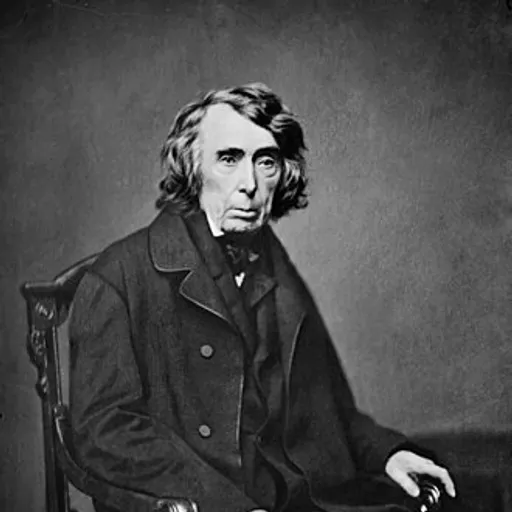
Roger Taney
Taney authored Dred Scott v. Sandford (1857), ruling that Black Americans could never be citizens and that Congress couldn't restrict slavery in the territories — a decision so catastrophically wrong it's credited with accelerating the Civil War. His name is now legal shorthand for judicial infamy, the cautionary tale cited whenever the Court is warned against overreach or moral blindness. He belongs on this list not for greatness but for the sheer scale of the damage.
Years on Court: 1836-1864Chief Justice?: ✓Signature Case: Dred Scott v. SandfordHistorical Impact: 8.6/10Ideological Lean: Pro-slavery
added by IJR
0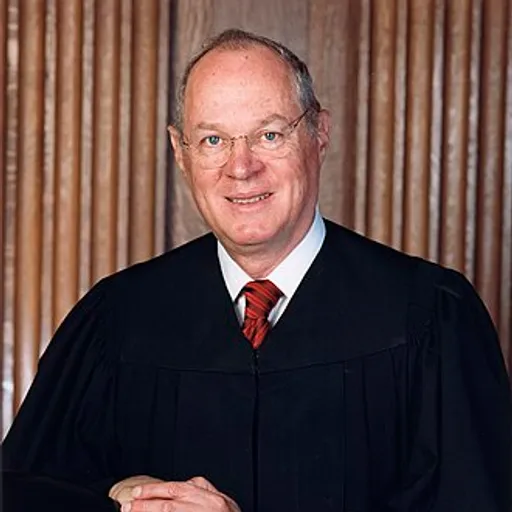
The last great swing vote, Kennedy became the Court's most powerful man for nearly two decades, authoring Obergefell v. Hodges to legalize same-sex marriage nationwide while also greenlighting unlimited corporate political spending in Citizens United. His flowery, mystical prose about liberty and dignity defined an era where a single justice's vote decided the nation's biggest culture-war fights. His retirement in 2018 handed Trump the seat that cemented conservative dominance.
Years on Court: 1988-2018Chief Justice?: —Signature Case: Obergefell v. HodgesHistorical Impact: 8.4/10Ideological Lean: Moderate/Swing
added by IJRin 2 rankingsAnthony Kennedy
0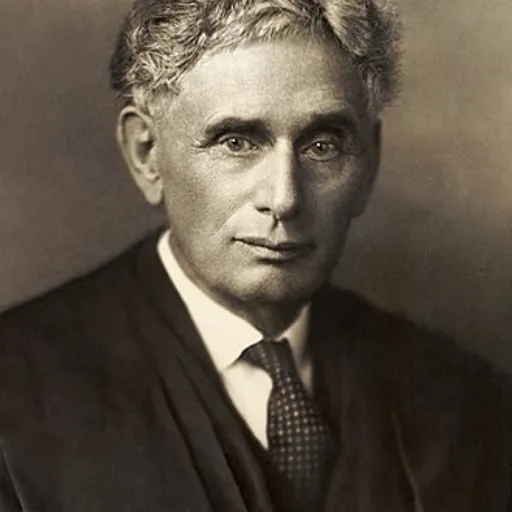
The 'People's Lawyer' brought sociological data into legal briefs before joining the bench, then spent 23 years defending free speech, privacy, and states' rights to experiment as 'laboratories of democracy.' His Olmstead dissent imagined a constitutional 'right to be let alone' decades before privacy law existed, quietly seeding Griswold and Roe. As the first Jewish justice, he also broke a barrier while reshaping how judges think about facts and society.
Years on Court: 1916-1939Chief Justice?: —Signature Case: Whitney v. California (concurrence)Historical Impact: 8.2/10Ideological Lean: Progressive
added by IJRin 2 rankingsLouis Brandeis
0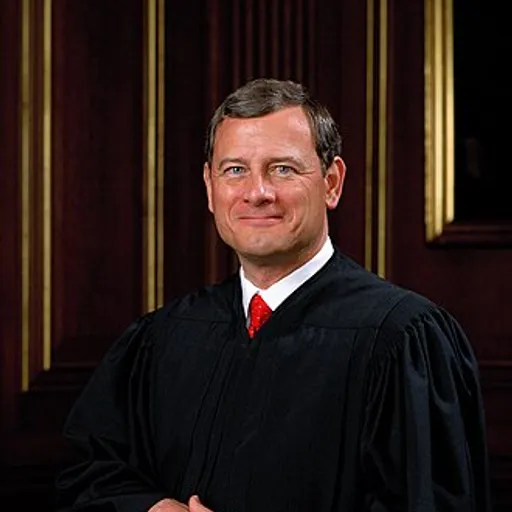
John Roberts
Roberts arrived promising 'balls and strikes' umpiring, then delivered anything but — saving the Affordable Care Act with a tax-power twist in NFIB v. Sebelius while dismantling the Voting Rights Act's preclearance formula in Shelby County the very same term. As Chief during the Dobbs reversal of Roe and the fall of Chevron deference, he's presided over the most aggressive rightward lurch since the Lochner era, all while insisting the Court isn't political. His institutionalist image increasingly clashes with his Court's record.
Years on Court: 2005-presentChief Justice?: ✓Signature Case: NFIB v. SebeliusHistorical Impact: 8/10Ideological Lean: Conservative
added by IJRin 3 rankings
0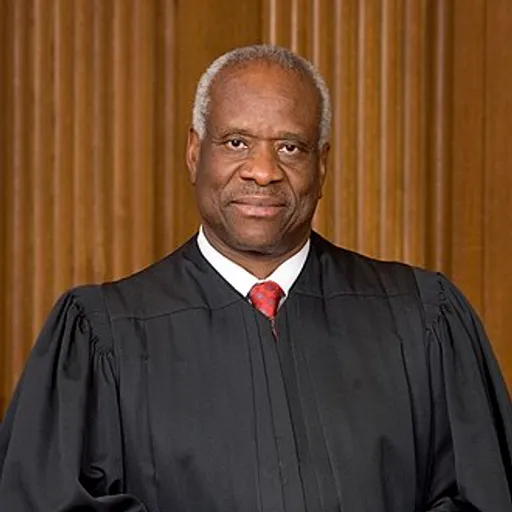
Confirmed after the explosive Anita Hill hearings, Thomas spent three decades as the Court's most consistently originalist voice, once a lone dissenter whose views on gun rights, affirmative action, and administrative power became majority doctrine after Trump's three appointments caught up to him. His concurrence urging the overturn of substantive due process in Dobbs signaled where he wants Obergefell and Griswold to go next. Patience made him arguably the most influentially vindicated justice of the modern era.
Years on Court: 1991-presentChief Justice?: —Signature Case: Dobbs v. Jackson (concurrence)Historical Impact: 8.1/10Ideological Lean: Conservative
added by IJRin 3 rankingsClarence Thomas
0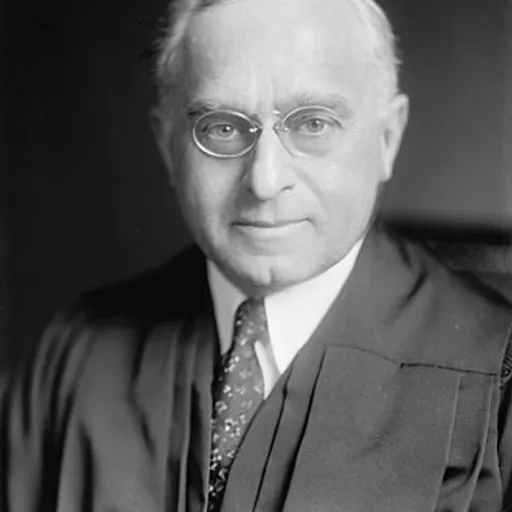
A Harvard Law professor and New Deal architect before joining the bench, Frankfurter preached judicial restraint even as his former allies pushed the Warren Court toward activism, making him the philosophical anchor for deference to elected branches. He lost the internal argument over Brown-era jurisprudence but shaped the vocabulary — 'footnote four,' process theory — that constitutional law professors still teach. His influence lives more in law school seminar rooms than in landmark majority opinions.
Years on Court: 1939-1962Chief Justice?: —Signature Case: Baker v. Carr (dissent)Historical Impact: 7.6/10Ideological Lean: Moderate
added by IJRin 3 rankingsFelix Frankfurter
0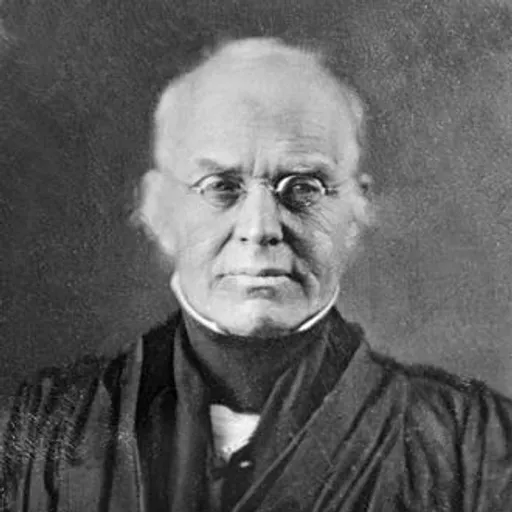
Joseph Story
Appointed at 32, the youngest justice ever, Story became John Marshall's indispensable partner, writing Martin v. Hunter's Lessee to cement federal judicial supremacy over state courts and authoring the treatises that taught 19th-century America what its Constitution actually meant. His Commentaries on the Constitution became the standard legal textbook for decades, exporting Marshall-era nationalism into law schools nationwide. He's the essential co-founder of American constitutional law that most people forget to credit.
Years on Court: 1812-1845Chief Justice?: —Signature Case: Martin v. Hunter's LesseeHistorical Impact: 7.5/10Ideological Lean: Federalist
added by IJRin 2 rankings
0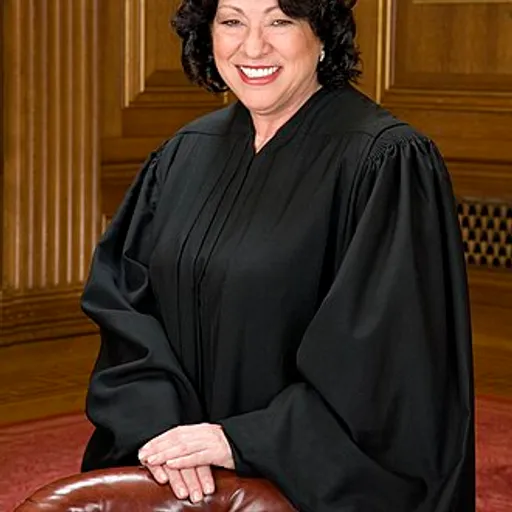
The first Latina justice, Sotomayor built her reputation as the Court's most vocal defender of criminal defendants and immigrants, her fiery dissents in cases like Utah v. Strieff reading like direct appeals to a country she insists is failing its most vulnerable. As the senior liberal after Ginsburg's death and Breyer's retirement, she's become the public face of judicial dissent in an increasingly conservative-dominated Court. Her 'wise Latina' confirmation controversy now looks almost quaint next to her substantive record.
Years on Court: 2009-presentChief Justice?: —Signature Case: Utah v. Strieff (dissent)Historical Impact: 7.4/10Ideological Lean: Liberal
added by IJRSonia Sotomayor
0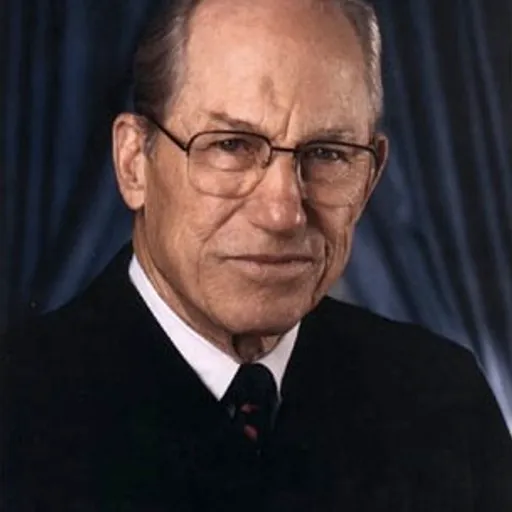
Byron White
A Kennedy appointee and former NFL player, White defied easy ideological labeling for 31 years, joining Brown-era liberals on some fronts while authoring the majority opinion in Bowers v. Hardwick upholding sodomy laws, a decision later repudiated in Lawrence v. Texas. His unpredictability made him the ultimate swing vote before swing votes were fashionable, frustrating both liberal and conservative colleagues who could never fully claim him. He's remembered less for a signature doctrine than for proving how contingent Supreme Court outcomes can be.
Years on Court: 1962-1993Chief Justice?: —Signature Case: Bowers v. HardwickHistorical Impact: 7/10Ideological Lean: Moderate
added by IJRin 3 rankings
0
Keep ranking
Comments
Free account · your comment posts right after signup