Greatest Speeches That Changed the World
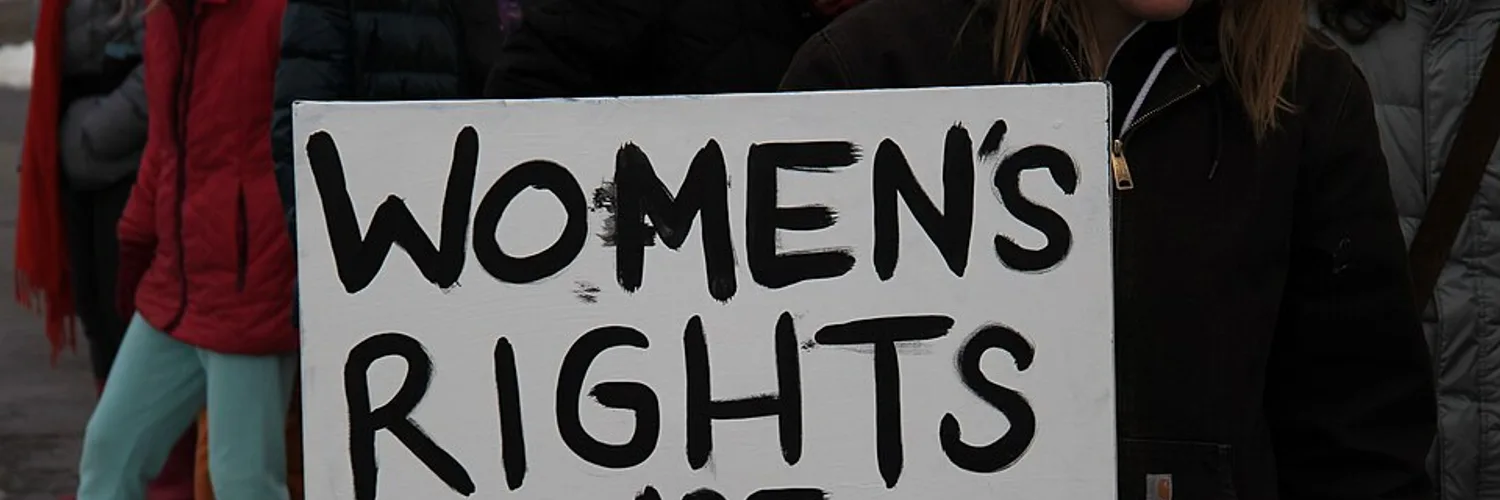
Throughout history, the right words at the right moment have toppled empires, sparked revolutions, and united nations in ways armies never could. These speeches didn't just describe change — they caused it, rallying millions with nothing more than conviction and voice. Which of these history-altering orations do you believe left the deepest mark? Cast your vote and help crown the greatest speech of all time.
What counts: Best = combination of historical impact, rhetorical quality, and lasting cultural resonance. Years are approximate to the best-known delivery date; impact and oratory ratings are subjective approximations meant as a starting point for crowd voting.
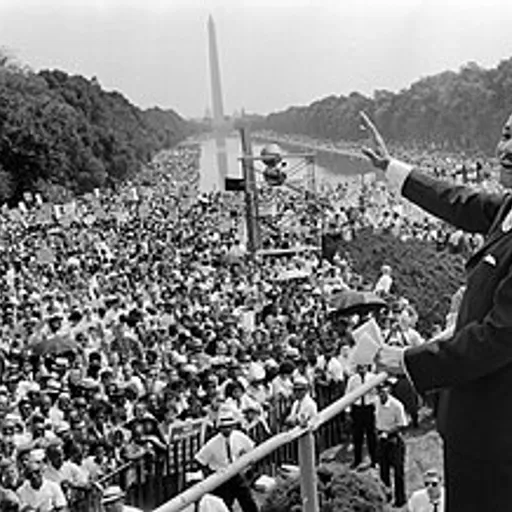
I Have a Dream
On the steps of the Lincoln Memorial in August 1963, Martin Luther King Jr. abandoned his prepared text and let Mahalia Jackson's whispered plea—"Tell 'em about the dream"—carry him into the cadences of Isaiah and American scripture alike. The repeated "I have a dream" became the incantatory heartbeat of the civil rights movement, fusing biblical prophecy with constitutional promise so completely that it helped push the Civil Rights Act into law within a year. No speech in American history has been more quoted, taught, or memorized, making it the gold standard against which all political orato
Year Delivered: 1963Speaker: Martin Luther King Jr.Historical Impact: 10/10Oratory Quality: 10/10Approx. Length: ~17 minutes
added by IJRin 3 rankings
0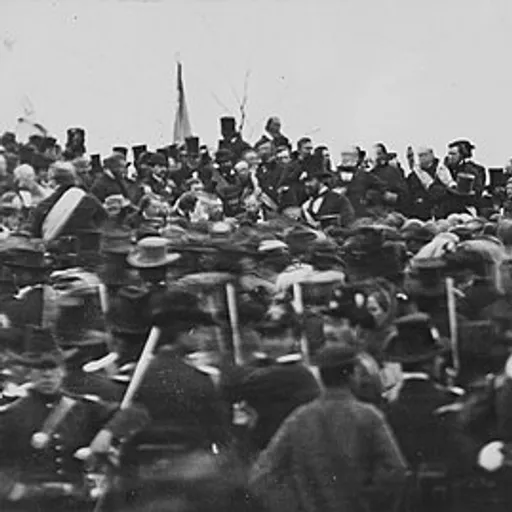
The Gettysburg Address
In barely two minutes and 272 words, Lincoln redefined a war that had already killed hundreds of thousands, transforming a Pennsylvania battlefield dedication into a meditation on whether government of, by, and for the people could endure. Its terse, almost biblical cadences did what hours of contemporary oratory could not: they recast the Civil War as a test of democracy itself rather than merely a fight over union. Carved into marble and memory, it remains the template for saying everything essential while wasting not a single word.
Year Delivered: 1863Speaker: Abraham LincolnHistorical Impact: 10/10Oratory Quality: 9/10Approx. Length: ~2 minutes
added by IJRin 2 rankings
0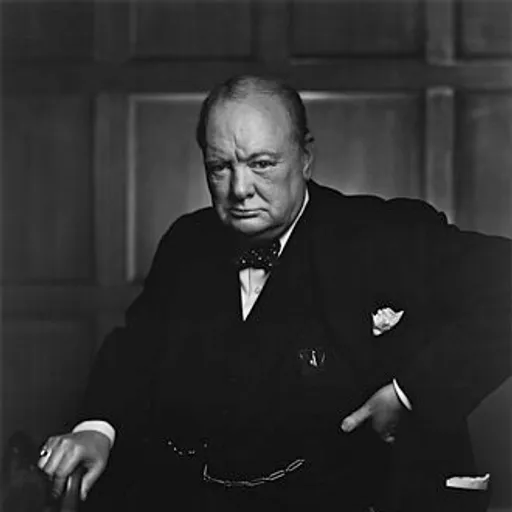
With France collapsing and invasion seeming imminent in June 1940, Churchill stood before the Commons and, in a voice that seemed to physically hold the line, vowed defiance "in the fields and in the streets, in the hills" no matter the cost. Delivered when Britain stood essentially alone against Nazi Germany, its escalating, hammering repetitions turned political resolve into a national identity that outlasted the war itself. It's the speech that proves rhetoric can function as literal wartime strategy—morale as munition.
Year Delivered: 1940Speaker: Winston ChurchillHistorical Impact: 9/10Oratory Quality: 9/10Approx. Length: ~36 minutes
added by IJRin 3 rankingsWe shall fight on the beaches
0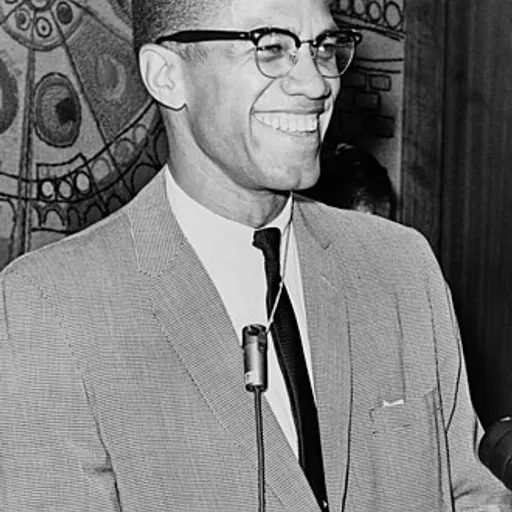
Speaking in Cleveland in April 1964, Malcolm X laid out a blistering ultimatum to Black America and white power alike: participate in the political process or prepare for revolution, because patience with gradualism had run out. It shattered the myth that the civil rights movement spoke with one voice, offering a harder-edged counterpoint to King's dream that reshaped Black political strategy for decades. Its unflinching logic and controlled fury make it essential listening for understanding the movement's full ideological range.
Year Delivered: 1964Speaker: Malcolm XHistorical Impact: 8/10Oratory Quality: 9/10Approx. Length: ~1 hour
added by IJRin 3 rankingsThe Ballot or the Bullet
0
In June 1963, JFK stood before a wall literally dividing a city and a world, and in four words of imperfect German declared solidarity so total that Cold War geography seemed to bend. The address distilled the entire ideological struggle between democracy and communism into a single, unforgettable line, energizing West Berliners who felt abandoned and unnerving Soviet leadership who felt exposed. It's proof that a speech's power sometimes lies less in its length than in the audacity of a single symbolic sentence.
Year Delivered: 1963Speaker: John F. KennedyHistorical Impact: 8/10Oratory Quality: 8/10Approx. Length: ~9 minutes
added by IJRin 2 rankingsIch bin ein Berliner
0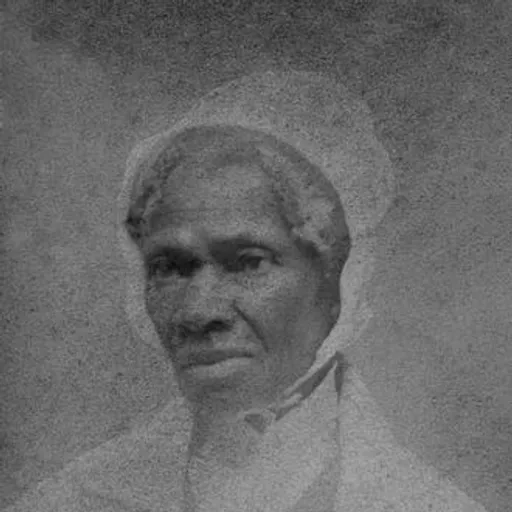
Ain't I a Woman?
Delivered extemporaneously at the 1851 Ohio Women's Rights Convention, Sojourner Truth turned her own body—scarred by slavery, strong from labor—into rhetorical evidence against both racist and sexist logic in one blow. Her refrain demolished the era's fragile-womanhood arguments used to deny suffrage, insisting Black women be seen as women and as human beings simultaneously. Passed down largely through secondhand transcription, it nonetheless became a foundational text for intersectional feminism generations before that word existed.
Year Delivered: 1851Speaker: Sojourner TruthHistorical Impact: 8/10Oratory Quality: 8/10Approx. Length: ~5 minutes
added by IJRin 3 rankings
0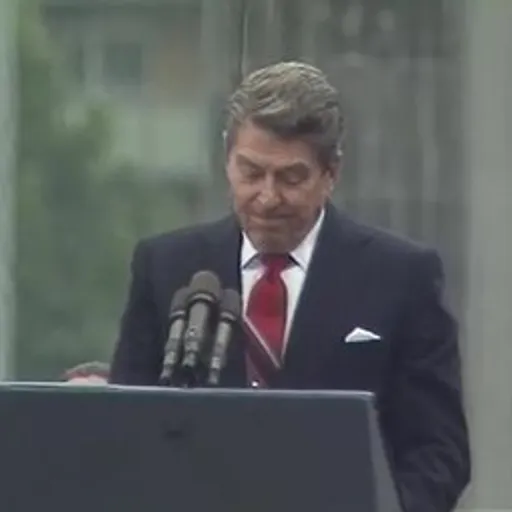
Tear Down This Wall
Standing at the Brandenburg Gate in June 1987, Reagan directly challenged Gorbachev with a line his own State Department had tried to cut, betting that blunt moral clarity would outlast diplomatic caution. Two years later the Berlin Wall fell, and the speech was retroactively canonized as prophecy rather than provocation, cementing Reagan's reputation as the Cold War's rhetorical closer. Its plainspoken defiance shows that sometimes the most effective diplomacy is refusing to be diplomatic at all.
Year Delivered: 1987Speaker: Ronald ReaganHistorical Impact: 8/10Oratory Quality: 7/10Approx. Length: ~26 minutes
added by IJRin 3 rankings
0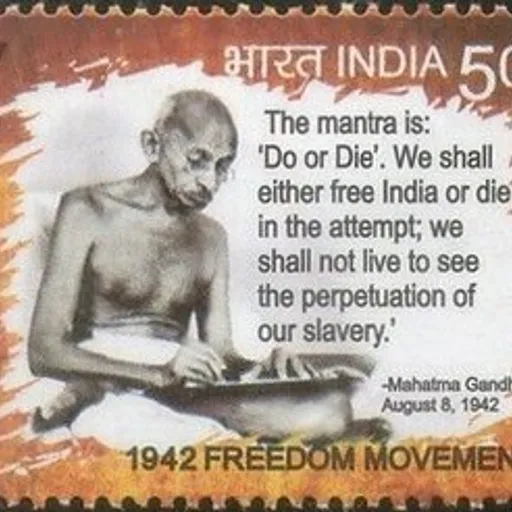
In August 1942, with Japanese forces advancing and colonial patience exhausted, Gandhi told his followers to "do or die" and launched the final, irreversible phase of India's independence struggle. The speech's fusion of nonviolent resolve with existential urgency triggered the largest mass arrests in British colonial history and made independence, five years later, feel inevitable rather than aspirational. It stands as the rhetorical hinge point where a movement decades in the making finally demanded, rather than requested, its freedom.
Year Delivered: 1942Speaker: Mahatma GandhiHistorical Impact: 8/10Oratory Quality: 7/10Approx. Length: ~1 hour
added by IJRin 2 rankingsQuit India speech
0In 1913, suffragette Emmeline Pankhurst stood before an American audience and framed the British women's suffrage campaign not as polite petitioning but as literal warfare, justifying arson and hunger strikes as legitimate weapons against a government that answered ballots with batons. Its unapologetic embrace of militancy shocked listeners into recognizing that women had already been pushed to desperate extremes. The speech remains a jolt of rhetorical radicalism, a reminder that reform movements are rarely won by asking nicely.
Year Delivered: 1913Speaker: Emmeline PankhurstHistorical Impact: 7/10Oratory Quality: 8/10Approx. Length: ~40 minutes
added by IJRin 3 rankingsFreedom or death
0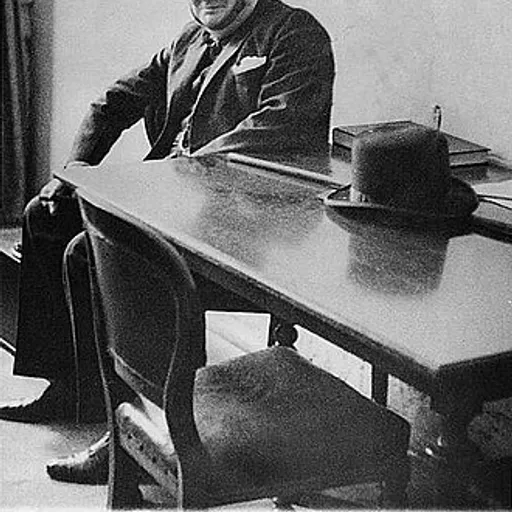
Blood, Toil, Tears and Sweat
Three days into his premiership in May 1940, with the Nazi war machine already devouring Europe, Churchill offered Parliament nothing but honesty about the horror ahead—no comfort, no false optimism, just the promise of victory purchased through unbearable sacrifice. Its brutal candor set the emotional register for Britain's entire war effort, proving that unvarnished truth can be more galvanizing than reassurance. It's the darker, grittier sibling to "We Shall Fight on the Beaches," the speech that made the later defiance credible.
Year Delivered: 1940Speaker: Winston ChurchillHistorical Impact: 7/10Oratory Quality: 8/10Approx. Length: ~5 minutes
added by IJR
0Address to the Women's Rights Convention
At Seneca Falls in 1848, Elizabeth Cady Stanton read a Declaration of Sentiments modeled deliberately on the Declaration of Independence, indicting a legal and social system that treated women as perpetual dependents. By borrowing the founding document's own rhetorical architecture, she exposed the hypocrisy at the heart of American liberty with surgical precision. It ignited the organized women's suffrage movement in the United States, a seventy-two-year campaign whose first shot was fired here.
Year Delivered: 1873Speaker: Susan B. AnthonyHistorical Impact: 7/10Oratory Quality: 7/10Approx. Length: ~20 minutes
added by IJR
0The Man in the Arena (Citizenship in a Republic)
Delivered at the Sorbonne in 1910, Theodore Roosevelt's address is remembered almost entirely for one passage—the man "marred by dust and sweat and blood" who dares greatly—which has outlived its original context to become the anthem of strivers, critics-be-damned, in boardrooms and locker rooms worldwide. Its enduring popularity says less about geopolitics than about the universal hunger for validation of struggle over comfortable cynicism. Few speeches have been so thoroughly extracted from their occasion and repurposed as pure motivational scripture.
Year Delivered: 1910Speaker: Theodore RooseveltHistorical Impact: 6/10Oratory Quality: 7/10Approx. Length: ~1 hour
added by IJR
0Sinews of Peace (Iron Curtain Speech)
Standing in Fulton, Missouri in March 1946 with Truman beside him, Churchill named the emerging Cold War before most of the world had registered it existed, warning that "an iron curtain has descended across the Continent." The phrase instantly entered the geopolitical vocabulary and framed Western strategy for the next four decades, arguably doing as much to define the postwar order as any treaty. It's the rare speech whose primary legacy is a single metaphor so apt it became historical shorthand.
Year Delivered: 1946Speaker: Winston ChurchillHistorical Impact: 7/10Oratory Quality: 7/10Approx. Length: ~45 minutes
added by IJR
0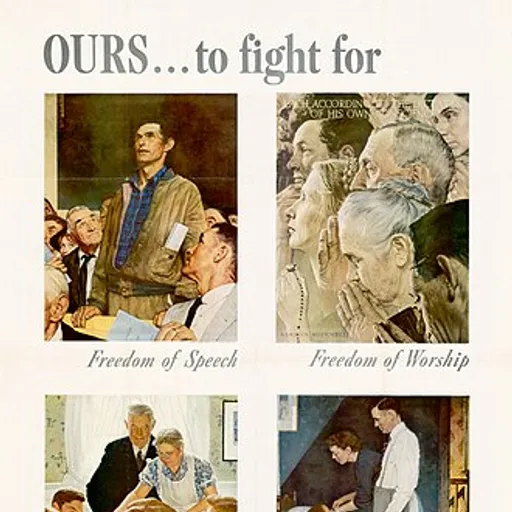
The Four Freedoms
In his January 1941 State of the Union, with America still officially neutral, FDR articulated freedom of speech, worship, from want, and from fear as universal human entitlements—not just American ideals but a blueprint for the postwar world. The speech quietly laid rhetorical groundwork for the Atlantic Charter and eventually the UN's Universal Declaration of Human Rights. It reframed an isolationist nation's war debate as a moral argument about the kind of world worth building, well before Pearl Harbor made the war unavoidable.
Year Delivered: 1941Speaker: Franklin D. RooseveltHistorical Impact: 7/10Oratory Quality: 6/10Approx. Length: ~35 minutes
added by IJR
0Pearl Harbor Address (Day of Infamy)
Roosevelt spoke to Congress and a stunned nation on December 8, 1941, needing only a single altered word—"infamy" instead of "history"—to transform a devastating military defeat into unshakeable national resolve. In under ten minutes, isolationism died and America entered a war that would remake the twentieth century. Its terse, controlled fury remains a masterclass in how brevity, not length, can carry the full weight of a nation's rage.
Year Delivered: 1941Speaker: Franklin D. RooseveltHistorical Impact: 8/10Oratory Quality: 7/10Approx. Length: ~7 minutes
added by IJR
0
Give Me Liberty, or Give Me Death!
In March 1775, with revolution still a genuine gamble, Patrick Henry stood before the Virginia Convention and forced hesitant colonists to choose sides with a line so absolute it left no room for continued fence-sitting. Delivered without a surviving verbatim text, its legend has only grown, becoming the rhetorical shorthand for revolutionary commitment itself. It helped tip Virginia toward armed resistance months before Lexington and Concord, proving oratory could manufacture the courage a cause required.
Year Delivered: 1775Speaker: Patrick HenryHistorical Impact: 7/10Oratory Quality: 8/10Approx. Length: ~10 minutes
added by IJRGive me Liberty, or give me Death!
0The Perils of Indifference
Accepting recognition at the White House in 1999, Holocaust survivor Elie Wiesel indicted not just the perpetrators of atrocity but the bystanders whose silence enabled it, coining indifference as its own moral crime distinct from hatred. Delivered to a room of policymakers still capable of intervening in Kosovo, Rwanda's aftermath, and future genocides, it reframed apathy as an active political choice rather than a passive failing. Its clear-eyed moral urgency has made it a staple of human rights education ever since.
Year Delivered: 1999Speaker: Elie WieselHistorical Impact: 6/10Oratory Quality: 8/10Approx. Length: ~20 minutes
added by IJR
0
Speech to the Troops at Tilbury
In 1588, facing the Spanish Armada, Elizabeth I rode among her assembled soldiers and declared she had "the heart and stomach of a king," turning her gender—used by enemies to question her fitness to rule—into proof of singular resolve. The speech, whatever its exact original wording, became foundational to the mythology of the Elizabethan age and English exceptionalism. It's arguably the first great English-language speech to weaponize a leader's identity as rhetorical strength rather than liability.
Year Delivered: 1588Speaker: Elizabeth IHistorical Impact: 6/10Oratory Quality: 7/10Approx. Length: ~3 minutes
added by IJRSpeech to the Troops at Tilbury
0
Women's Rights Are Human Rights
At the UN's Fourth World Conference on Women in Beijing in 1995, Hillary Clinton stated what should have been obvious but rarely was said so plainly on such a stage: that violence against women, denial of education, and economic exclusion were human rights violations, full stop. Delivered despite pressure to soften the language for diplomatic comfort, it became a rallying phrase for global feminist policy for decades afterward. Its directness reframed gender equality from a cultural preference into an international legal and moral obligation.
Year Delivered: 1995Speaker: Hillary ClintonHistorical Impact: 6/10Oratory Quality: 6/10Approx. Length: ~20 minutes
added by IJRWomen's Rights Are Human Rights
0UN Speech on Girls' Education
At sixteen, having survived a Taliban assassination attempt for the crime of wanting to attend school, Malala Yousafzai told the United Nations in 2013 that "the terrorists thought they would change my aims... but nothing changed in my life except this: weakness, fear and hopelessness died." Her calm, unbowed insistence that books and pens were the true weapons against extremism turned a personal survival story into a global movement for girls' education funding and policy. It's the newest entry on this list but among the most viscerally powerful, proof the form isn't finished making history.
Year Delivered: 2013Speaker: Malala YousafzaiHistorical Impact: 6/10Oratory Quality: 7/10Approx. Length: ~17 minutes
added by IJR
0
Keep ranking
Comments
Free account · your comment posts right after signup