Best Video Game Villains
Great video games need great villains—the ones whose menace, wit, or sheer power make the hero's journey worth taking. From dimension-hopping warlords to soft-spoken masterminds, these antagonists have haunted our screens and stuck in our memories long after the credits rolled. Now it's your turn to settle the debate: cast your vote for the video game villain who reigns supreme.
What counts: Ranking based on cultural impact, menace, complexity, and memorability. Figures like debut year and rating are approximate and reflect general consensus, not official metrics.
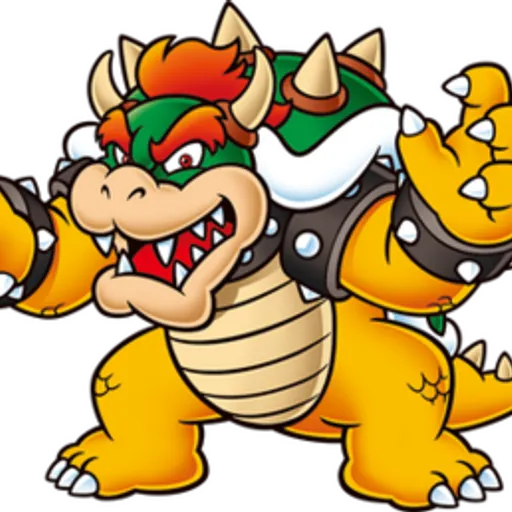
Bowser▲ Rising
The original sin of video game villainy—kidnapping Peach on loop since 1985, yet somehow never stale because Nintendo keeps making him funnier and more pathetic between rampages. He's the platonic ideal of a rival: always scheming, always defeated, always back next week with a bigger castle and a dumber plan. Longevity alone earns him the throne; the fact he can headline his own sympathetic movie arc without losing menace is the real flex.
Debut Year: 1985Game Series: Super MarioMenace Factor: 6/10Character Complexity: 4/10Iconic Status: 10/10
added by IJRin 2 rankings
48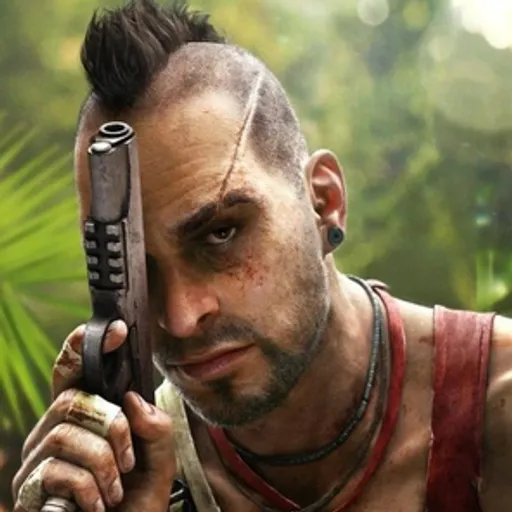
Vaas Montenegro▲ Rising
Michael Mangold's manic energy turned 'did I ever tell you the definition of insanity' into an instant classic before Vaas even finishes his first cutscene. Far Cry 3 barely gives him screen time, yet he dominates the game's identity more than the actual final boss ever does. He's proof that a villain's cultural half-life has nothing to do with how long they're on screen.
Debut Year: 2012Game Series: Far Cry 3Menace Factor: 9/10Character Complexity: 7/10Iconic Status: 8/10
added by IJR
18
Sephiroth▲ Rising
One Nibelheim flashback and a burning village turned a silver-haired SOLDIER into the gold standard for JRPG trauma-villains. The murder of Aerith remains the single most discussed death in gaming history, and his One-Winged Angel theme still gives grown adults chills. He's less a character than a vibe—operatic, genocidal, and endlessly cosplayed.
Debut Year: 1997Game Series: Final Fantasy VIIMenace Factor: 9/10Character Complexity: 8/10Iconic Status: 10/10
added by IJR
17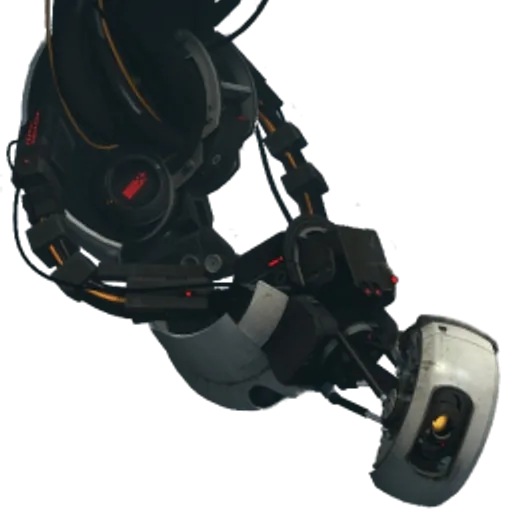
GLaDOS▲ Rising
A passive-aggressive AI who turns 'the cake is a lie' into a cultural meme while casually trying to incinerate you is peak comedic menace. Her sardonic narration of your own torture reinvented the video game villain as unreliable narrator, and Portal's ending twist made betrayal itself the boss fight. Cave Johnson wishes he had her writing staff.
Debut Year: 2007Game Series: PortalMenace Factor: 8/10Character Complexity: 8/10Iconic Status: 9/10
added by IJR
11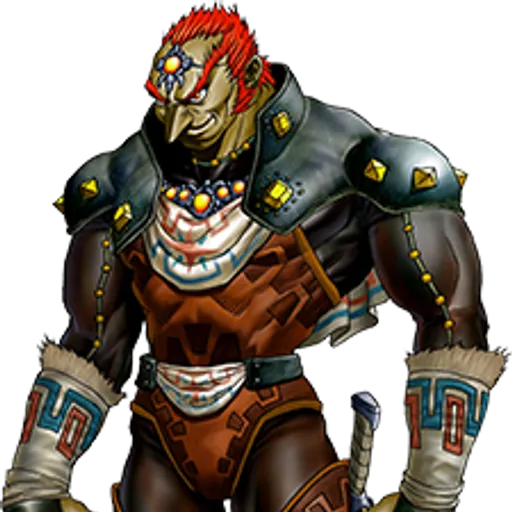
The beast-form apex predator of Hyrule, Ganon is less a character than an ancient curse given tusks and a trident. He's the reason 'defeat the ancient evil' became a genre template, and his presence looming over every Zelda timeline gives the whole franchise its mythic weight. Rarely nuanced, always terrifying—Ganon is evil as elemental force.
Debut Year: 1986Game Series: The Legend of ZeldaMenace Factor: 8/10Character Complexity: 6/10Iconic Status: 10/10
added by IJRin 2 rankingsGanon
0Albert Wesker
Sunglasses indoors, a smirk that could curdle milk, and enough superhuman strength to casually dodge rockets—Wesker turned a background scientist into Resident Evil's franchise-spanning mastermind. His slow reveal across multiple games, culminating in volcano-side monologuing, made him gaming's answer to a Bond villain who actually wins for a while. He's the blueprint for 'so extra he loops back around to iconic.'
Debut Year: 1996Game Series: Resident EvilMenace Factor: 8/10Character Complexity: 6/10Iconic Status: 9/10
added by IJR
0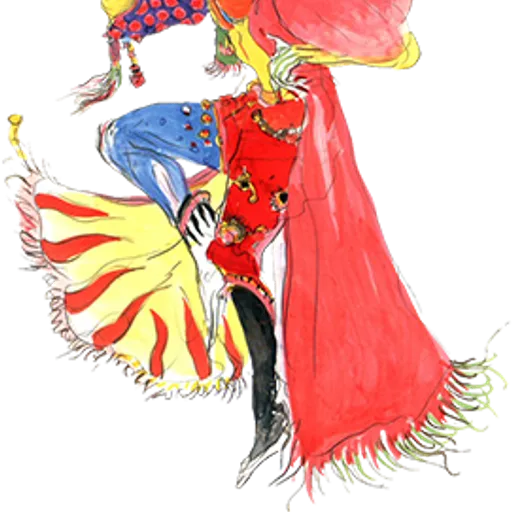
Kefka Palazzo
Kefka didn't just kill a god—he became one, then poisoned an entire world's water supply and laughed about it. Final Fantasy VI's world-ending mid-game twist, powered entirely by his cackling nihilism, remains one of the darkest tonal pivots the genre has ever pulled off. He's the chaotic clown-god template every 'villain wins' story since has been chasing.
Debut Year: 1994Game Series: Final Fantasy VIMenace Factor: 9/10Character Complexity: 7/10Iconic Status: 9/10
added by IJR
0Andrew Ryan
'A man chooses, a slave obeys' delivered while beating himself to death with a golf club is the single greatest twist monologue in gaming, retroactively making every prior choice in BioShock feel like a trap. Ryan's Objectivist utopia rotting into Rapture's nightmare gave villainy actual philosophical teeth instead of just cackling ambition. He's the rare antagonist whose ideology is as memorable as his death scene.
Debut Year: 2007Game Series: BioShockMenace Factor: 7/10Character Complexity: 9/10Iconic Status: 9/10
added by IJR
0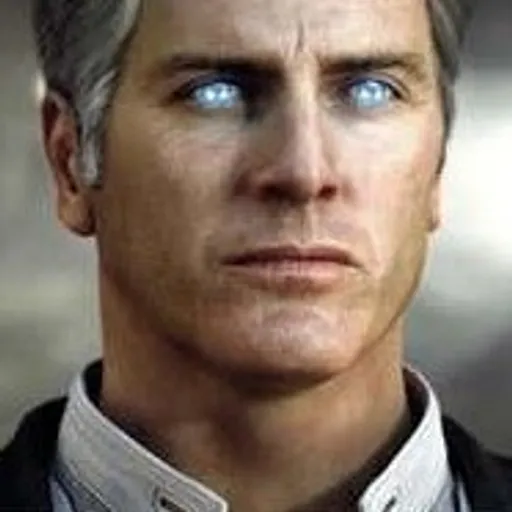
The Illusive Man
A cigarette-smoking puppet master who spent three Mass Effect games playing both sides so convincingly you were never sure if he was ally or enemy—until the very end confirmed the Reapers had been in his head all along. His slow corruption mirrors the series' larger themes about indoctrination and compromised idealism. Martin Sheen's voice work made him feel less like a boss fight and more like a Cold War thriller antagonist.
Debut Year: 2010Game Series: Mass EffectMenace Factor: 6/10Character Complexity: 8/10Iconic Status: 7/10
added by IJR
0Majora (Skull Kid's Mask)
An ancient, malevolent mask that turns a moon into a grinning harbinger of apocalypse is one of gaming's most nightmare-fuel images, and it's stuck with an entire generation since 2000. Majora's Mask made dread itself the antagonist, counting down three in-game days toward inevitable annihilation. It's proof horror in gaming doesn't need blood—just a slowly falling, laughing moon.
Debut Year: 2000Game Series: The Legend of Zelda: Majora's MaskMenace Factor: 8/10Character Complexity: 6/10Iconic Status: 7/10
added by IJR
0Bowser Jr. / King Boo
Neither one carries Bowser's mythic weight, but together they represent Nintendo's knack for turning secondary antagonists into fan-favorite recurring pests—Jr.'s Shadow Mario graffiti scheme in Sunshine and King Boo's genuinely creepy Luigi's Mansion hauntings both stand out as memorable set pieces. They're the junior varsity villains who prove even Mario's rogues' gallery has depth beyond the big Koopa. Individually minor, but collectively they keep the kingdom's threat roster stocked.
Debut Year: 1996Game Series: Super Mario / Luigi's MansionMenace Factor: 5/10Character Complexity: 3/10Iconic Status: 6/10
added by IJR
0Dracula (Vlad Tepes)
Castlevania's eternal antagonist gave the genre its gothic backbone, resurrecting every hundred years like clockwork to remind humanity why garlic and whips exist. Netflix's adaptation gave him unexpected pathos—a grieving widower turned apocalyptic tyrant—retroactively deepening decades of pixelated castle-climbing. He's the reason 'vampire final boss' became a genre shorthand instead of a novelty.
Debut Year: 1986Game Series: CastlevaniaMenace Factor: 8/10Character Complexity: 6/10Iconic Status: 8/10
added by IJR
0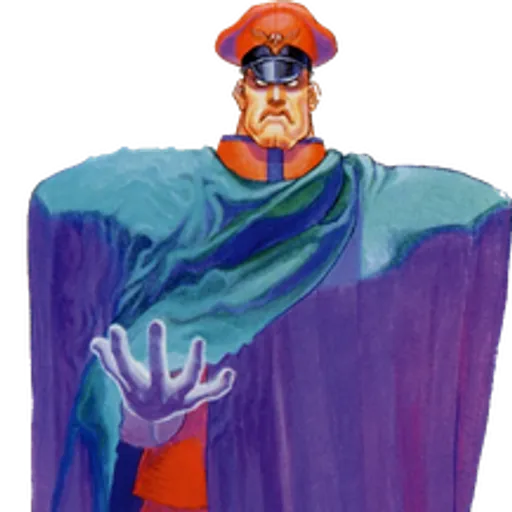
'Of course!' delivered with maximum theatrical villainy turned Bison into a meme before memes existed, his Psycho Power and dictator swagger making him fighting game's most quotable tyrant. Street Fighter needed a final boss who felt genuinely untouchable, and Bison's blend of camp and menace nailed it perfectly. He's the reason every arcade cabinet villain since has aimed for 'so evil it's fun.'
Debut Year: 1991Game Series: Street FighterMenace Factor: 7/10Character Complexity: 5/10Iconic Status: 8/10
added by IJRM. Bison
0Ganondorf (Human Form)
Ocarina of Time gave Ganon's bestial rage a human face and a genuinely tragic backstory—a desert king whose thirst for power came from watching his people suffer. His sword duel atop the collapsing tower remains one of gaming's great final confrontations, blending Shakespearean ambition with pure villain spectacle. He's the version of Ganon that lets Zelda's mythology breathe as tragedy, not just monster-of-the-week.
Debut Year: 1998Game Series: The Legend of Zelda: Ocarina of TimeMenace Factor: 8/10Character Complexity: 7/10Iconic Status: 9/10
added by IJR
0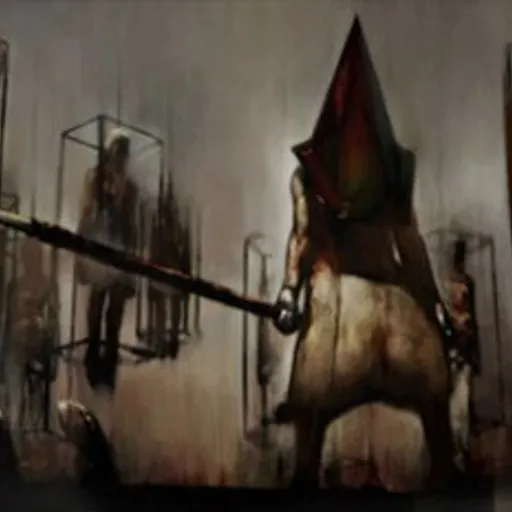
Silent Hill 2 turned psychological guilt into a literal executioner, and Pyramid Head's slow, dragging violence became instantly iconic imagery far beyond survival horror circles. He's not even the game's true villain—he's James's own self-punishment made flesh, which makes him more disturbing than any traditional antagonist could be. Few horror designs have been so endlessly referenced, cosplayed, and misunderstood as pure monster rather than metaphor.
Debut Year: 2001Game Series: Silent Hill 2Menace Factor: 9/10Character Complexity: 8/10Iconic Status: 8/10
added by IJRPyramid Head
0Ravenholm's Combine Overwatch
Half-Life 2's zombie-infested ghost town made the Combine's occupation feel apocalyptic on a human scale, with Overwatch soldiers hunting you through claustrophobic, headcrab-riddled streets. 'We don't go to Ravenholm' became one of gaming's most quoted lines precisely because the dread was earned, not scripted. They're less individual villains than an oppressive atmosphere given rifles—proof that faceless dread can be as memorable as any named antagonist.
Debut Year: 1998Game Series: Half-LifeMenace Factor: 6/10Character Complexity: 5/10Iconic Status: 6/10
added by IJR
0
Nemesis
'STARS' growled through a rotting mouth turned Resident Evil 3's pursuit predator into pure, relentless terror—Nemesis doesn't wait for you to find him, he hunts. His mutation into an even more grotesque tentacle horror in the finale cemented him as horror gaming's most physically imposing stalker. He rewired the survival horror formula around the idea that safety was never guaranteed, not even in save rooms.
Debut Year: 1999Game Series: Resident Evil 3Menace Factor: 9/10Character Complexity: 4/10Iconic Status: 8/10
added by IJRin 3 rankings
0
Frank Fontaine
The true puppet master behind Rapture's collapse, Fontaine's reveal that he'd been posing as Atlas the entire game is a gut-punch twist that reframes everything you thought you knew about BioShock's plot. His final ADAM-fueled god-form fight is grotesque overkill befitting a man who exploited an entire underwater utopia for profit. He's the con man whose lies were so good they became the game's actual narrative structure.
Debut Year: 2007Game Series: BioShockMenace Factor: 7/10Character Complexity: 8/10Iconic Status: 6/10
added by IJR
0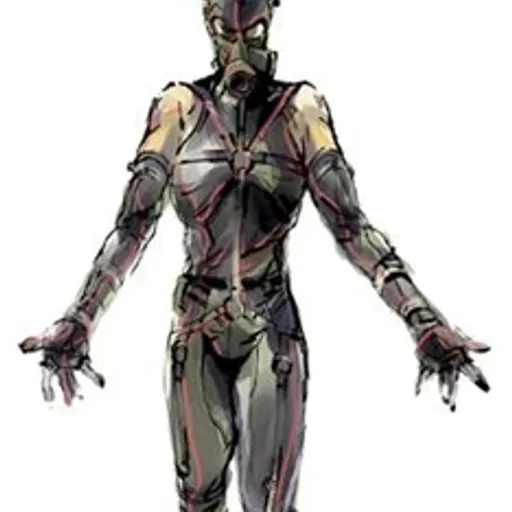
Psycho Mantis
Breaking the fourth wall by reading your memory card and commenting on your other games remains one of gaming's most legendary meta moments, decades before 'meta' was even a common term. Metal Gear Solid's psychic villain made players physically unplug their controller to beat him—an act of genuine, giddy disorientation. He's the villain who made the television itself feel haunted.
Debut Year: 1998Game Series: Metal Gear SolidMenace Factor: 6/10Character Complexity: 6/10Iconic Status: 8/10
added by IJRin 2 rankings
0Ares (God of War)
The God of War that started it all—Ares' manipulation of Kratos into slaughtering his own family is the original sin that fuels an entire franchise's decade-spanning rage. Their climactic battle atop the Blade of the Gods, fighting at Colossus-scale through a burning Athens, set the bar for divine-scale boss fights. He's the reason Kratos became gaming's most enduringly furious protagonist.
Debut Year: 2005Game Series: God of WarMenace Factor: 7/10Character Complexity: 5/10Iconic Status: 6/10
added by IJR
0Handsome Jack▼ Falling
Borderlands 2 weaponized charisma, turning a genocidal corporate tyrant into the funniest, most quotable voice in the franchise's history. His constant radio taunts made him feel like a co-op member gaslighting you the whole campaign, and his ultimate reveal—that he genuinely believes he's the hero—makes his cruelty land harder. He proved villains could carry an entire game's comedic tone without undercutting their threat.
Debut Year: 2012Game Series: Borderlands 2Menace Factor: 8/10Character Complexity: 8/10Iconic Status: 9/10
added by IJR
-21
Keep ranking
Comments (8)
Free account · your comment posts right after signup
Exactly the kind of argument the internet was built for.
The crowd is sleeping on the bottom half of this list.
Voted — and the gap between #1 and #2 should be bigger.
This order is closer to right than any editor would've gotten.