Best US National Parks
From the geysers of Yellowstone to the granite cliffs of Yosemite, America's national parks are a living argument about what wilderness deserves protection and adoration. Each park has its fierce defenders, ready to claim their favorite offers the most breathtaking views, the best wildlife, or the ultimate adventure. Now it's your turn to weigh in — cast your vote and help crown the best US National Park!
What counts: Best is judged by scenery, iconic status, biodiversity, and overall visitor experience. Acreage, annual visitors, and founding year are approximate figures for context, not strict rankings.
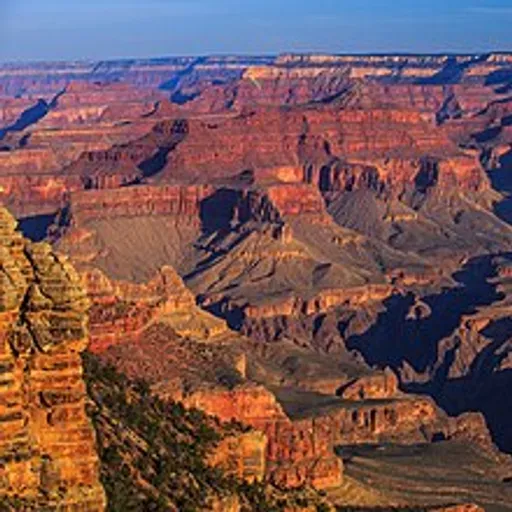
You can see photos your whole life and still stagger back from the rim the first time you see it in person—a mile-deep gash of banded rock that makes geologic time feel physical. It didn't just become a park, it became shorthand for American vastness, the single image foreigners picture when you say 'national park.' No canyon anywhere combines that scale with such relentless, layered beauty, and that's why it sits at the top.
Established: 1919Size: 1,200,000 acresAnnual Visitors: 4,700,000 visitors/yrState: ArizonaWow Factor: 10/10
added by IJRin 4 rankingsGrand Canyon National Park
0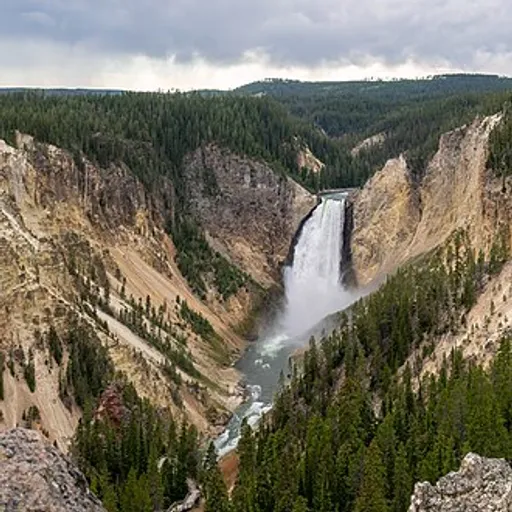
Yellowstone National Park
The world's first national park, born in 1872 because Congress looked at geysers, boiling mudpots, and a canyon of yellow stone and decided some places are too strange and vital to sell off. Old Faithful's clockwork eruption is the postcard, but the real magic is wolves loping across Lamar Valley and bison steaming in subzero air—a functioning Pleistocene ecosystem hiding in plain sight. It invented the very idea of a national park, and it still out-wilds almost everything that followed.
Established: 1872Size: 2,200,000 acresAnnual Visitors: 4,500,000 visitors/yrState: Wyoming/Montana/IdahoWow Factor: 10/10
added by IJRin 3 rankings
0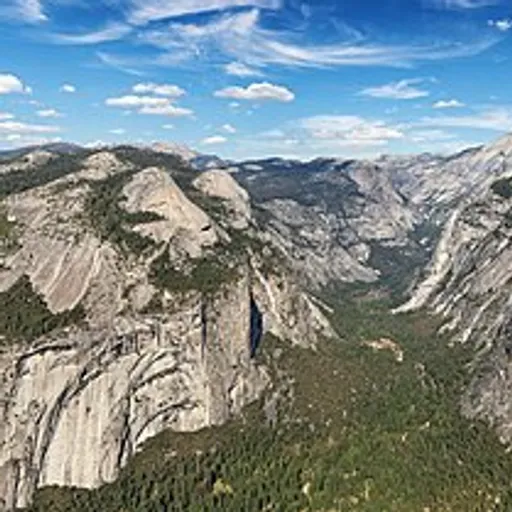
Yosemite National Park
Half Dome and El Capitan rising sheer out of a glacier-carved valley turned this into the birthplace of American conservation, the place John Muir walked with Teddy Roosevelt and convinced a president that granite could be sacred. Waterfalls like Yosemite Falls thunder down cliff faces in spring with a violence that feels almost personal, and climbers treat El Cap like a pilgrimage site. Few landscapes have shaped the national imagination—and the sport of rock climbing—as thoroughly as this one valley.
Established: 1890Size: 760,000 acresAnnual Visitors: 3,900,000 visitors/yrState: CaliforniaWow Factor: 10/10
added by IJRin 3 rankings
0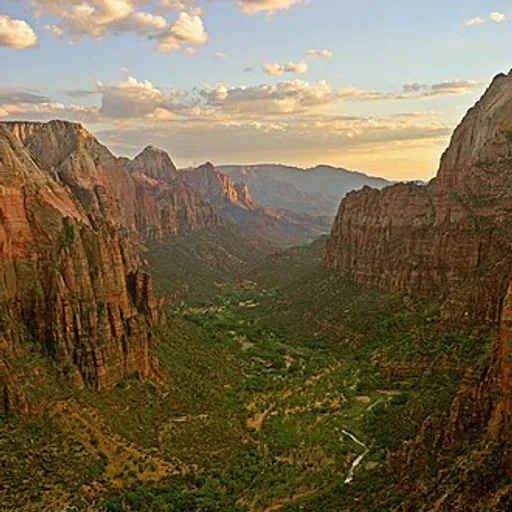
Zion National Park
Walking the Narrows with canyon walls closing in a thousand feet overhead, wading upstream through the Virgin River, is one of the most immersive experiences in the park system—you're not viewing scenery, you're inside it. Angels Landing's chain-assisted spine of sandstone turned a hike into a rite of passage that draws crowds specifically for the fear factor. Zion proves that red rock country can be as jaw-dropping and vertical as any alpine range.
Established: 1919Size: 150,000 acresAnnual Visitors: 4,600,000 visitors/yrState: UtahWow Factor: 9/10
added by IJRin 4 rankings
0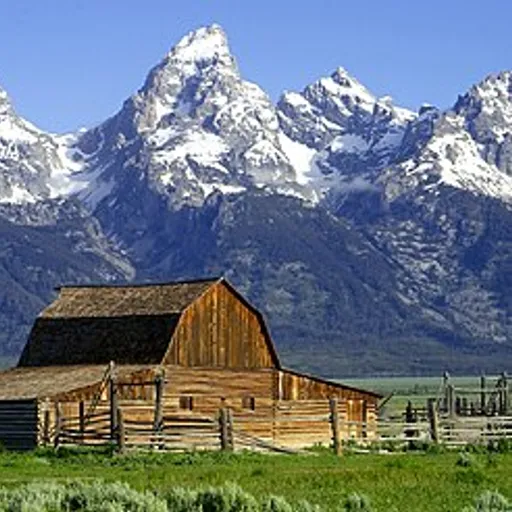
Grand Teton National Park
The Tetons erupt straight out of the valley floor with no foothills to soften the blow, a jagged saw-blade of granite reflected perfectly in Jenny Lake and the Snake River. Ansel Adams' photograph of the range basically defined how America pictures a mountain. It's Yellowstone's next-door neighbor, but the drama of that abrupt, foothill-less rise earns it a place entirely on its own.
Established: 1929Size: 310,000 acresAnnual Visitors: 3,400,000 visitors/yrState: WyomingWow Factor: 9/10
added by IJRin 3 rankings
0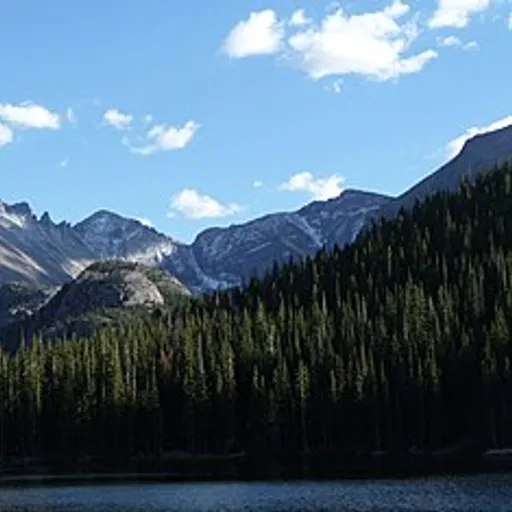
Rocky Mountain National Park
Trail Ridge Road climbs above 12,000 feet, higher than any paved road in the park system, putting you eye-level with elk bugling through alpine tundra in fall. Longs Peak looms over it all as a bucket-list scramble for peak-baggers. It's the most accessible high-alpine experience in the Lower 48, condensing the essence of the Rockies into one drivable, hikeable park.
Established: 1915Size: 265,000 acresAnnual Visitors: 4,300,000 visitors/yrState: ColoradoWow Factor: 9/10
added by IJRin 2 rankings
0
Going-to-the-Sun Road is arguably the most spectacular drive in America, threading a narrow shelf of asphalt across the Continental Divide with hanging valleys and turquoise lakes dropping away on both sides. The glaciers that named it are vanishing fast, giving every visit an undercurrent of urgency and grief. Grizzlies, mountain goats, and jagged horns of rock make it feel like Switzerland smuggled into Montana.
Established: 1910Size: 1,000,000 acresAnnual Visitors: 2,900,000 visitors/yrState: MontanaWow Factor: 9/10
added by IJRin 3 rankingsGlacier National Park
0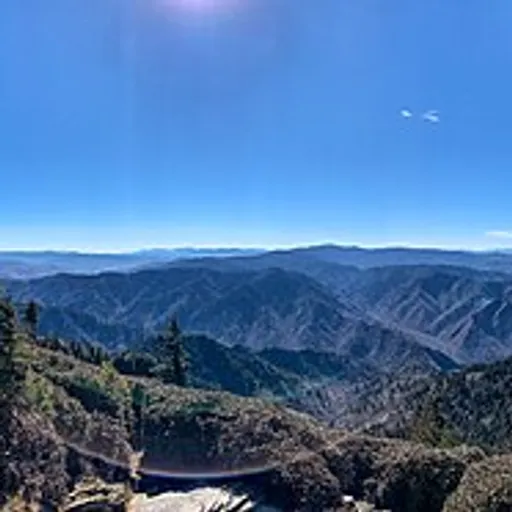
Great Smoky Mountains National Park
It's the most-visited national park in the country, and not because of one postcard shot but because of blue-hazed ridgelines rolling to the horizon and one of the richest temperate biodiversity hotspots on Earth. Synchronous fireflies blinking in unison each June turned a quiet Appalachian forest into a viral phenomenon. Free entry and easy access from Southern cities made it America's park, even if its scenery is quieter than the West's showstoppers.
Established: 1934Size: 520,000 acresAnnual Visitors: 13,300,000 visitors/yrState: Tennessee/North CarolinaWow Factor: 8/10
added by IJRin 3 rankings
0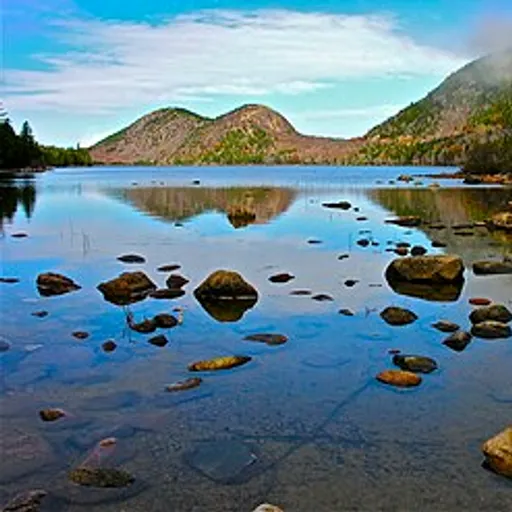
Cadillac Mountain claims the title of first place to see sunrise in the US for much of the year, and watching dawn break over the Atlantic from pink granite summits is a genuinely singular experience. Carriage roads built by Rockefeller wind past cobblestone bridges through spruce forest to the crashing coastline at Thunder Hole. It's the only park where the Atlantic Ocean itself is the main attraction, and New England's rocky drama earns it a permanent spot on any list.
Established: 1919Size: 49,000 acresAnnual Visitors: 3,900,000 visitors/yrState: MaineWow Factor: 8/10
added by IJRin 2 rankingsAcadia National Park
0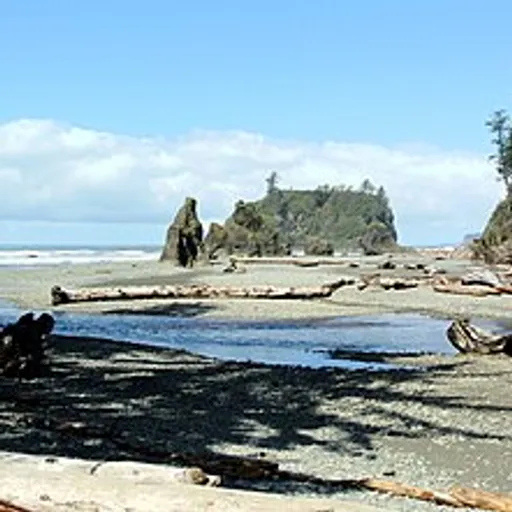
Nowhere else can you hike through a moss-draped temperate rainforest dripping with epiphytes, then drive an hour to glacier-capped peaks, then another hour to wild Pacific coastline littered with sea stacks—three ecosystems that shouldn't coexist but do. The Hoh Rainforest's cathedral quiet feels like nowhere else in the country. That sheer ecological range, packed into one peninsula, is Olympic's whole argument for greatness.
Established: 1938Size: 920,000 acresAnnual Visitors: 2,700,000 visitors/yrState: WashingtonWow Factor: 8/10
added by IJRin 2 rankingsOlympic National Park
0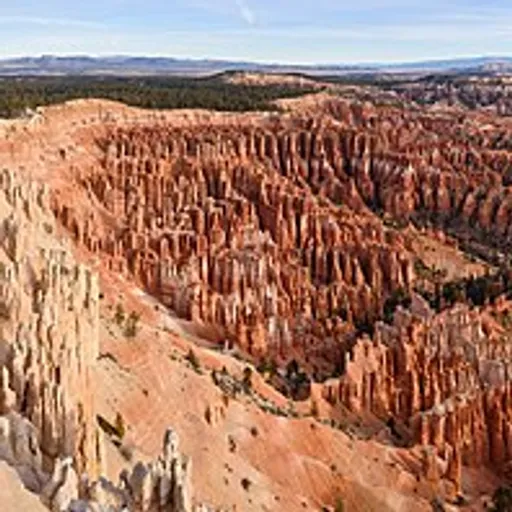
Bryce Canyon National Park
It's not actually a canyon but an amphitheater of hoodoos—thousands of orange and pink spires that look like a frozen army of stone, especially at sunrise when the light sets them on fire. Standing at Inspiration Point, you realize no photograph fully captures the sheer density and strangeness of the formations. Bryce proves that scale isn't everything; sometimes the weirdest geology wins.
Established: 1928Size: 36,000 acresAnnual Visitors: 2,100,000 visitors/yrState: UtahWow Factor: 8/10
added by IJRin 2 rankings
0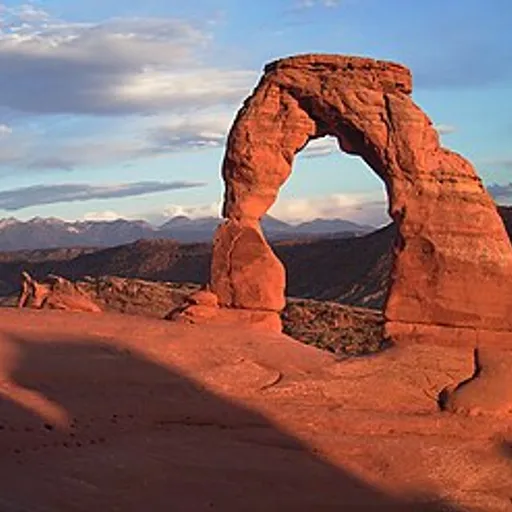
Delicate Arch, standing alone against the La Sal Mountains, became Utah's unofficial emblem and one of the most photographed rock formations on the planet. Over 2,000 natural stone arches packed into a relatively small desert park make it feel like an open-air gallery of erosion's patience. It's compact, walkable, and endlessly photogenic—the park that made red rock Instagram famous before Instagram existed.
Established: 1971Size: 76,000 acresAnnual Visitors: 1,500,000 visitors/yrState: UtahWow Factor: 8/10
added by IJRin 3 rankingsArches National Park
0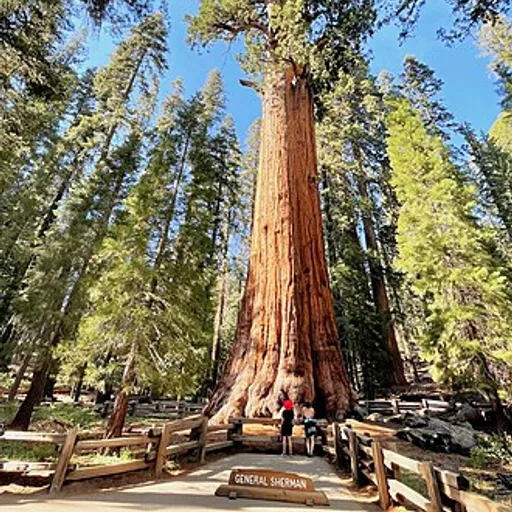
Sequoia National Park
General Sherman, the largest tree on Earth by volume, stands here as a living monument older than the Roman Empire, and walking beneath a grove of sequoias induces a kind of reverent silence you don't get anywhere else. The Giant Forest doesn't just impress, it recalibrates your sense of scale for everything else in nature. Few single organisms carry the argument for a park's greatness the way this one tree does.
Established: 1890Size: 404,000 acresAnnual Visitors: 1,200,000 visitors/yrState: CaliforniaWow Factor: 8/10
added by IJR
0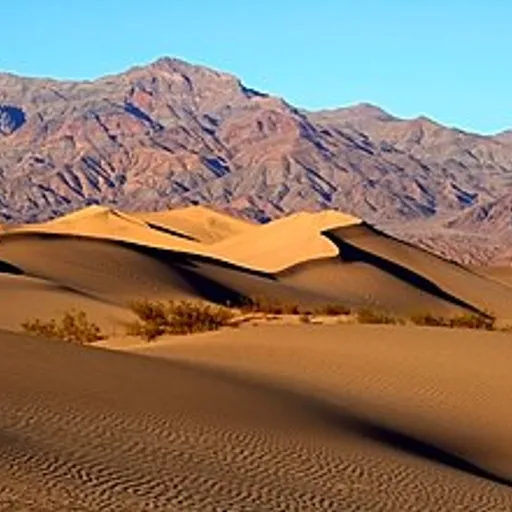
Death Valley National Park
Badwater Basin sits 282 feet below sea level, the lowest point in North America, baking under summer temperatures that have hit 134°F—one of the hottest places ever recorded on Earth. Yet the same park holds Telescope Peak's snow and the surreal salt flats and sand dunes of Mesquite Flat, proving extremity itself can be scenic. It's the national park that dares you to visit it, and rewards you with landscapes that look otherworldly precisely because they're so inhospitable.
Established: 1994Size: 3,400,000 acresAnnual Visitors: 1,100,000 visitors/yrState: California/NevadaWow Factor: 7/10
added by IJRin 2 rankings
0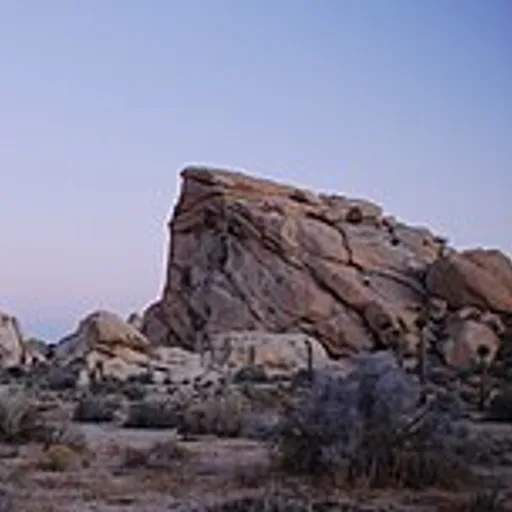
Where the Mojave and Colorado deserts collide, spiky Joshua trees and house-sized boulder piles create a landscape so alien that U2 named an album after it. Climbers flock to the granite formations by day while stargazers take over at night under some of the darkest skies near a major metro area. It's proof the desert can be both stark and packed with visual personality.
Established: 1994Size: 790,000 acresAnnual Visitors: 3,000,000 visitors/yrState: CaliforniaWow Factor: 7/10
added by IJRin 2 rankingsJoshua Tree National Park
0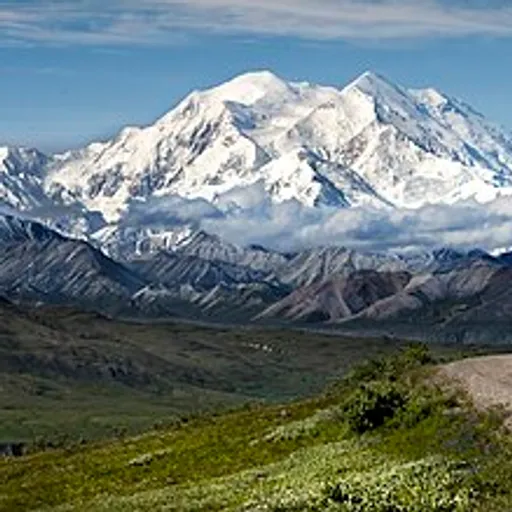
North America's tallest peak, at over 20,000 feet, dominates the horizon on the rare clear day, its sheer vertical rise from surrounding lowlands unmatched anywhere on the continent. The park's single unpaved road and lack of extensive trail infrastructure keep it wild, letting grizzlies, caribou, and wolves roam largely undisturbed. Denali is the park that reminds you Alaska plays by different rules—bigger, wilder, and far less tamed.
Established: 1917Size: 6,000,000 acresAnnual Visitors: 600,000 visitors/yrState: AlaskaWow Factor: 9/10
added by IJRin 2 rankingsDenali National Park
0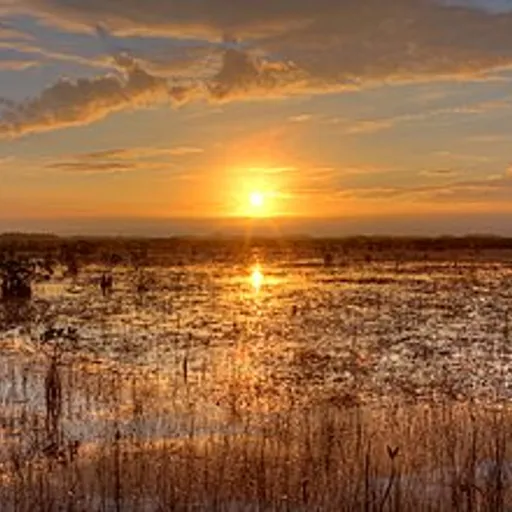
Everglades National Park
This isn't a swamp, it's a slow-moving river of grass a hundred miles wide, home to alligators and the only place on Earth where alligators and crocodiles coexist. Airboat rides through sawgrass marshes reveal a subtropical wilderness unlike any other park on this list—flat, watery, and teeming with wading birds. It's the park that proves biodiversity and ecological uniqueness can rival scenic grandeur.
Established: 1934Size: 1,500,000 acresAnnual Visitors: 1,000,000 visitors/yrState: FloridaWow Factor: 7/10
added by IJR
0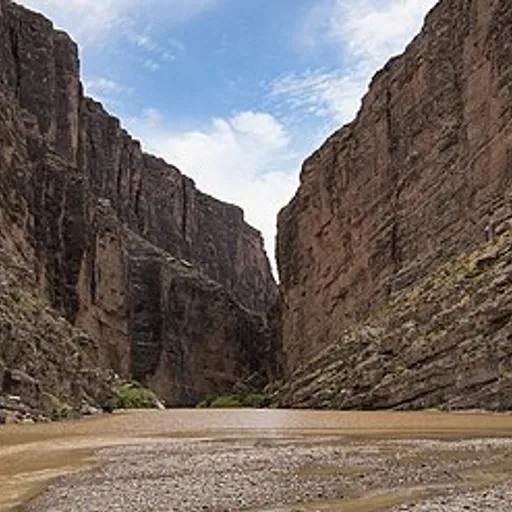
Where the Rio Grande carves through Santa Elena Canyon and the Chisos Mountains rise like an island range in the middle of the Chihuahuan Desert, isolation itself becomes the main attraction—this is one of the least-visited, darkest-skied parks in the Lower 48. Soaking in hot springs right at the river's edge, with Mexico visible on the far bank, is an experience unlike any other park offers. Big Bend rewards the effort of getting there with a solitude that's increasingly rare.
Established: 1944Size: 800,000 acresAnnual Visitors: 500,000 visitors/yrState: TexasWow Factor: 7/10
added by IJRin 3 rankingsBig Bend National Park
0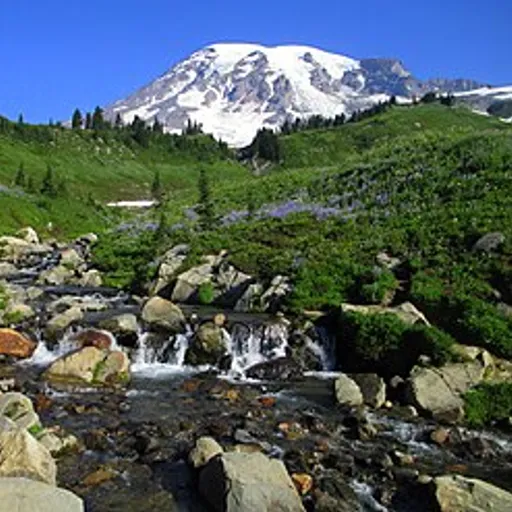
Rainier looms over Seattle as an active volcano wrapped in more glacial ice than any other peak in the contiguous US, and the wildflower meadows of Paradise in July explode into some of the most vivid alpine color anywhere in the country. Sunrise views of the mountain reflected in Reflection Lakes are the park's signature postcard. It's a single, massive mountain that anchors an entire ecosystem and skyline.
Established: 1899Size: 236,000 acresAnnual Visitors: 1,500,000 visitors/yrState: WashingtonWow Factor: 8/10
added by IJRin 2 rankingsMount Rainier National Park
0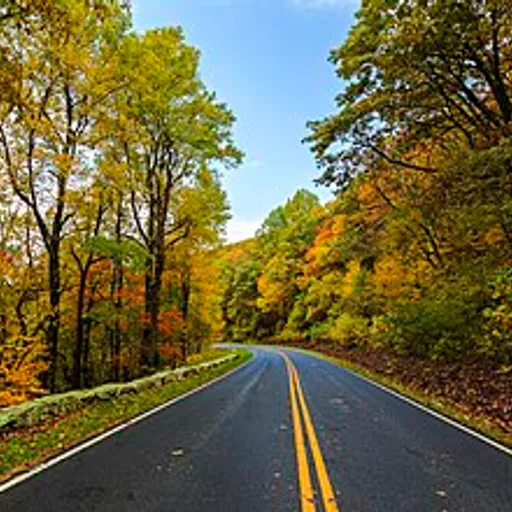
Shenandoah National Park
Skyline Drive winds 105 miles along the Blue Ridge, delivering fall foliage views that turn the whole park into a wash of red and gold each October, drawing crowds from across the DC-to-Richmond corridor. Waterfalls like Dark Hollow tumble through hardwood forest that was largely logged and farmed a century ago before being deliberately regrown into wilderness. It's proof that a national park can be a recovery story as much as a preservation story, and its proximity makes it many Easterners' first real wilderness.
Established: 1935Size: 200,000 acresAnnual Visitors: 1,600,000 visitors/yrState: VirginiaWow Factor: 6/10
added by IJR
0
Keep ranking
Comments
Free account · your comment posts right after signup