Best jazz legends of all time
Jazz has produced towering figures whose innovations reshaped music forever, from the smoky clubs of New Orleans to the bebop revolution and beyond. Debating who truly deserves the title of jazz legend sparks passionate disagreement among fans of every era and style. Cast your vote and help crown the greatest jazz icon of all time.
What counts: Seeded with approximate figures where shown — the crowd's votes decide the order.
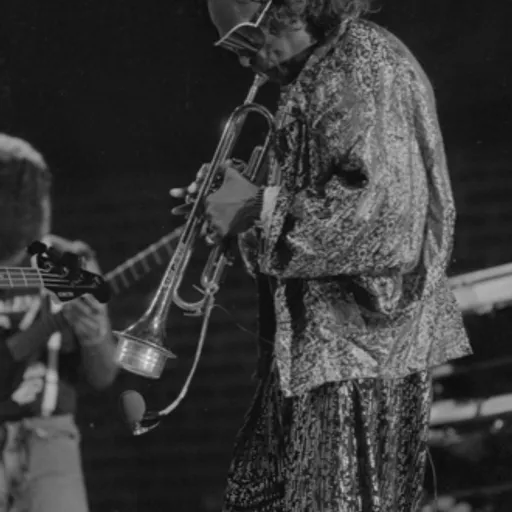
Miles Davis▲ Rising
He didn't just play jazz, he restarted it every decade — 'Kind of Blue' in 1959 rewired the music around modal minimalism, then he plugged in and pissed off purists with 'Bitches Brew,' inventing fusion almost out of spite. The trumpet tone was a whisper that could silence a room, and the sheer number of eras he midwifed — cool, hard bop, modal, electric — makes the case that he's less a legend than jazz's entire nervous system.
Peak era: 1960s
added by IJRin 3 rankings
70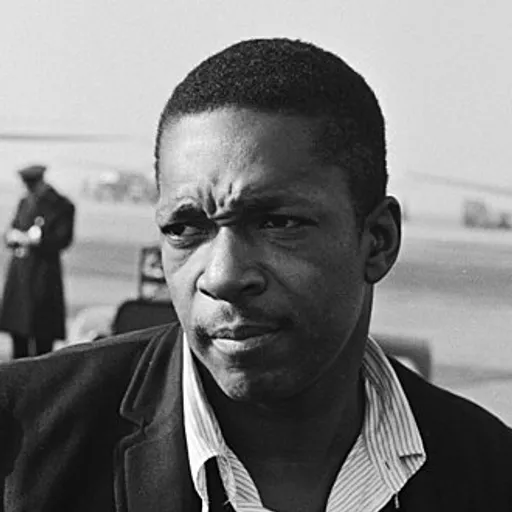
John Coltrane▲ Rising
'A Love Supreme' is the sound of a man playing his own religious conversion into wax, four movements of saxophone testimony that turned a nightclub instrument into a pulpit. He took 'Giant Steps' and its impossible chord cycles and made technical extremity feel like devotion, then tore it all down into free jazz skronk on 'Ascension' just to keep searching. No one before or since made virtuosity feel this spiritually urgent.
Peak era: 1960s
added by IJRin 3 rankingsJohn Coltrane
10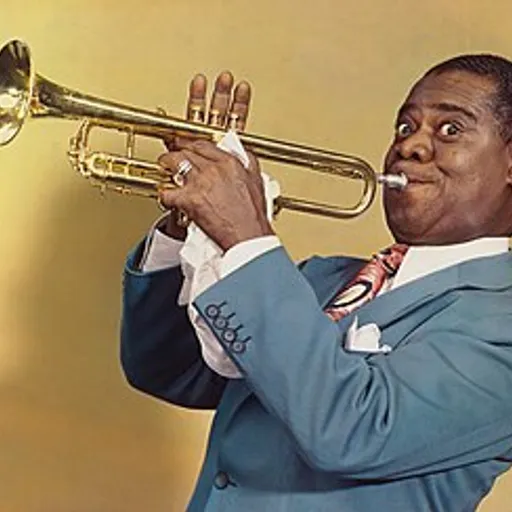
Louis Armstrong▼ Falling
Before Armstrong, jazz was ensemble music; his Hot Five and Hot Seven sides in the late '20s put the soloist at the center and basically invented the idea of a jazz genius, scatting nonsense syllables on 'Heebie Jeebies' because he supposedly dropped his lyric sheet and just kept swinging. That gravel-voiced grin later made him a global ambassador for the music, but the real case for him here is simpler: without his phrasing, there's no Miles, no Sinatra, no modern American vocal or instrumental line at all.
Peak era: 1960s
added by IJRin 3 rankingsLouis Armstrong
-15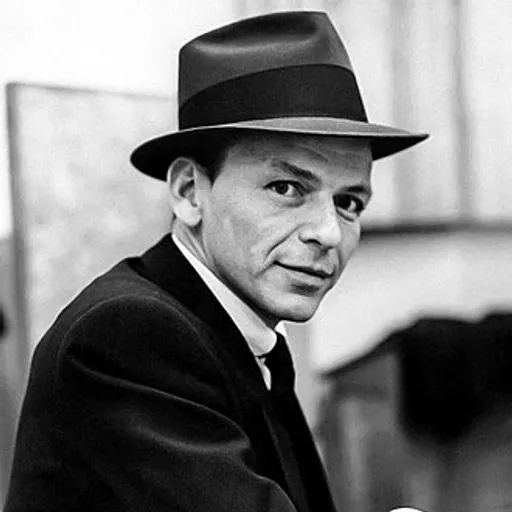
Frank Sinatra▼ Falling
He's the one non-instrumentalist who belongs in this conversation because he treated the American songbook the way Coltrane treated a chord change — bending time, phrasing behind and ahead of the beat, turning saloon songs into confession booths on albums like 'In the Wee Small Hours.' Detractors call him pop, not jazz, but the argument for his inclusion is that no singer swung harder with a big band or taught more about space and breath, making him the vocal bridge between jazz musicianship and mainstream American music.
Peak era: 1960s
added by IJRin 2 rankingsFrank Sinatra
-62
Keep ranking
Comments (7)
Free account · your comment posts right after signup
Exactly the kind of argument the internet was built for.
The crowd is sleeping on the bottom half of this list.
This order is closer to right than any editor would've gotten.
- FFelix KimJul 29, 2026
Voted — and the gap between #1 and #2 should be bigger.