Tariffs Hit Canada; Canada Plans Retaliation
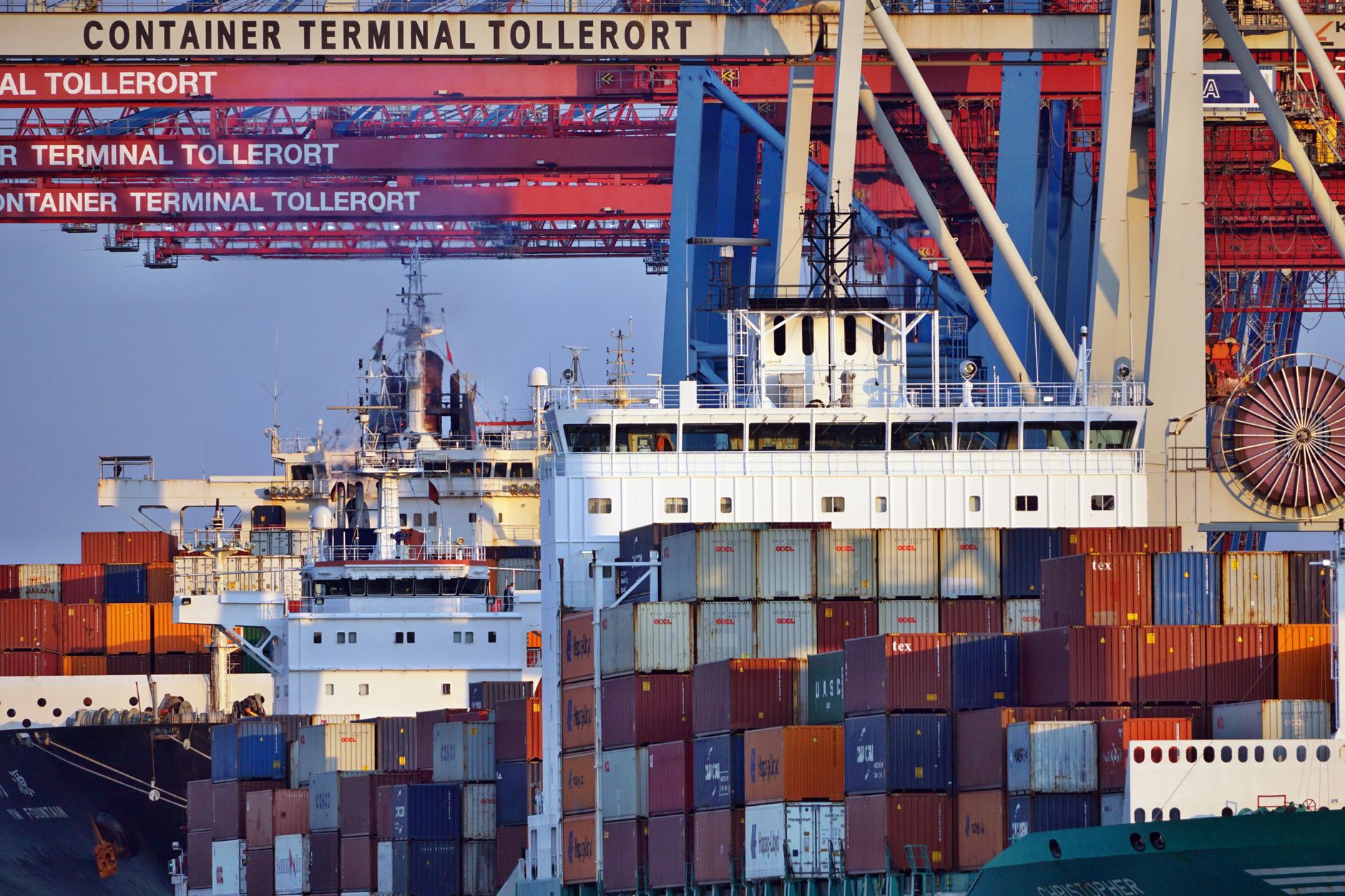
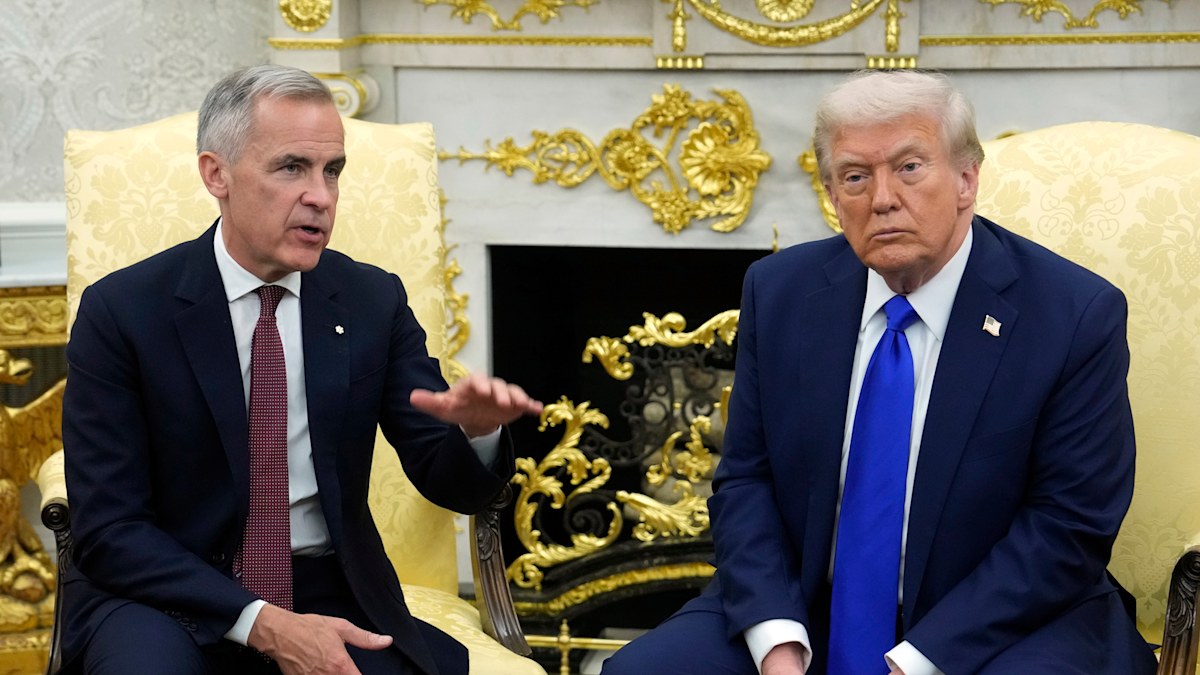
Mark Carney, as Canada’s prime minister, has argued that middle powers must resist economic coercion from larger powers even when it risks hardship, a stance now tested as President Trump imposes sweeping tariffs. Canada suspended talks and the U.S. moved to 50% duties on about $20 billion in Canadian goods, prompting Carney to promise dollar-for-dollar retaliation to begin in September. The confrontation is framed as a broader test of sovereignty and a shift in how allies navigate a world where traditional protections are fraying and economic ties are leveraged for leverage. Carney’s team says Washington’s late-stage demands—seen as attempts to curb Canada’s ability to strike trade deals—are unacceptable and pose a sovereignty question for Ottawa. Analysts and officials suggest the dispute could redefine Canada’s standing and influence how other U.S. allies respond to Trump’s trade tactics, highlighting the risk to long-standing alliances and the idea of middle powers as independent negotiators. The saga places Carney at the center of a debate about whether a single middle power can alter the calculus of great-power diplomacy in an era of economic coercion.
Where do you stand?