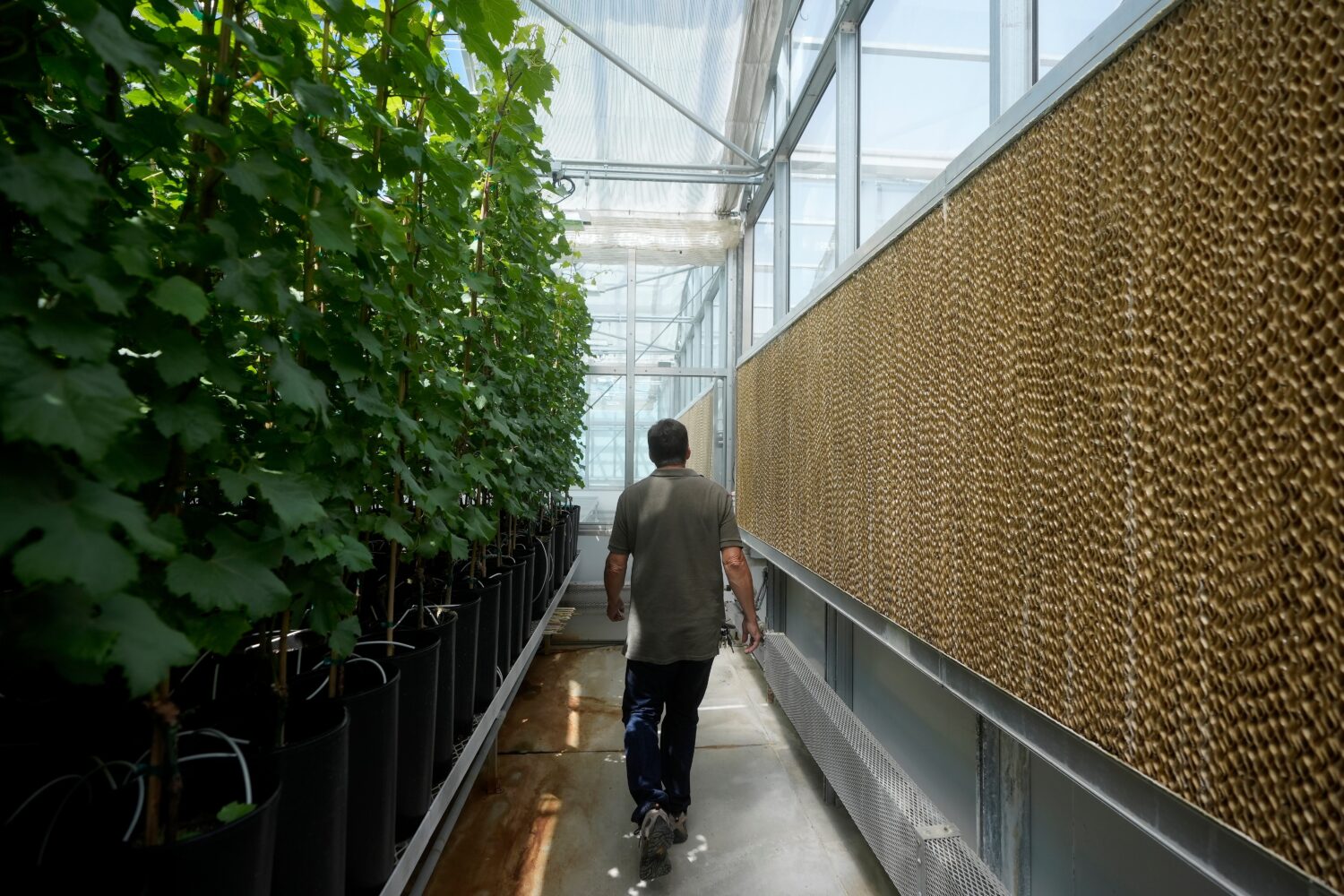
Swamp Coolers Remain Key to Desert Cooling
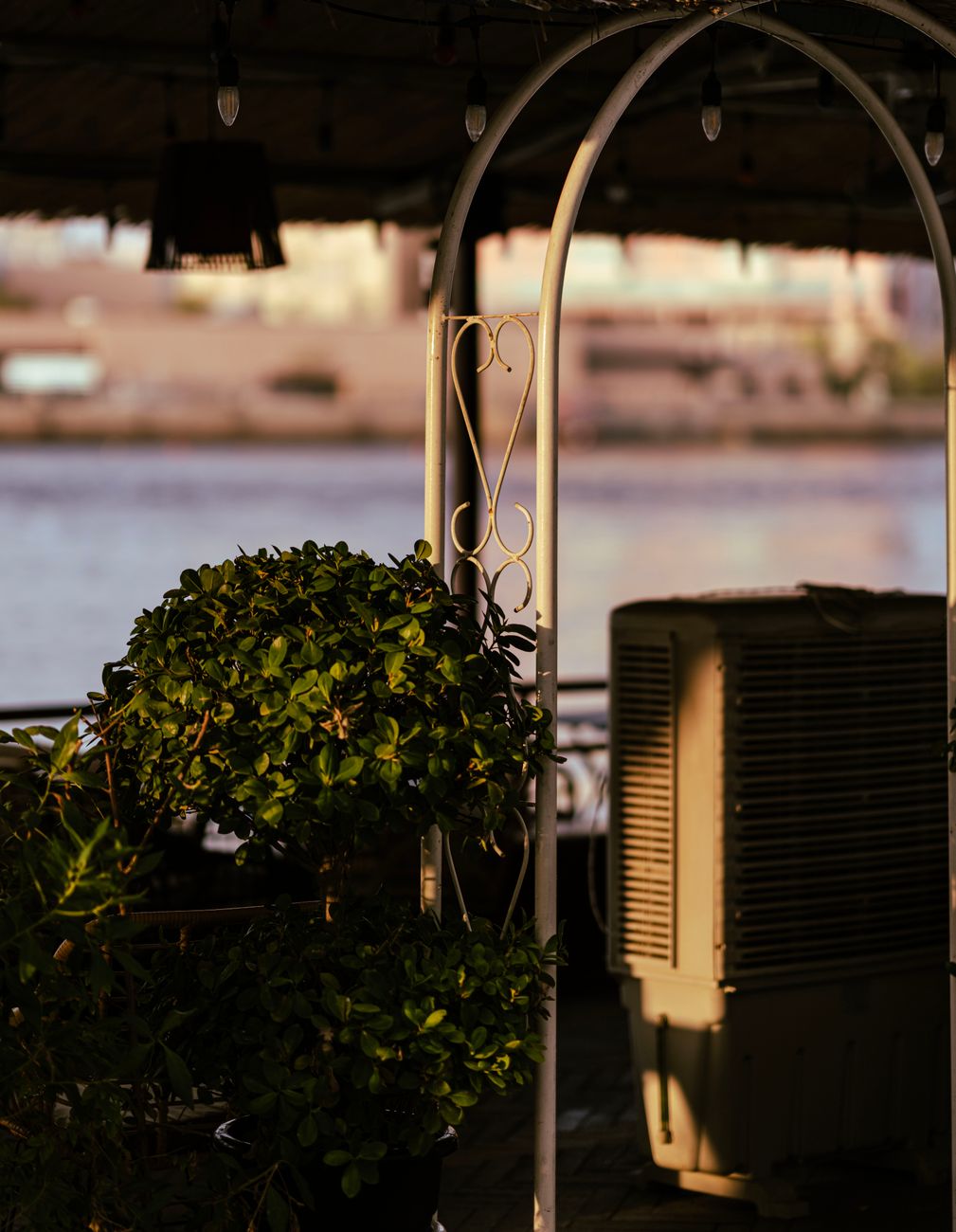
The articles trace the swamp cooler’s rise from an ancient concept to a widely adopted cooling method in the U.S. Southwest, credited to Oscar Palmer’s 1908 Arizona system that fans air through water-saturated pads to cool and humidify indoor spaces. By the 1930s, evaporative cooling reshaped life in arid states like New Mexico and Nevada, and the technology remains a low-cost, energy-efficient option in dry climates. Experts note that swamp coolers are less effective in humid regions where air is already saturated, though they continue to offer a practical alternative where air conditioning is scarce or expensive. Modern advocates emphasize their adaptability and affordability, while acknowledging limitations compared with traditional central air, especially in non-dry environments. The articles also highlight ongoing research and advocacy around evaporative cooling as a sustainable option for agriculture and households in arid regions.
Where do you stand?