Screwworm outbreak disrupts Texas adoptions, triggers nationwide restrictions

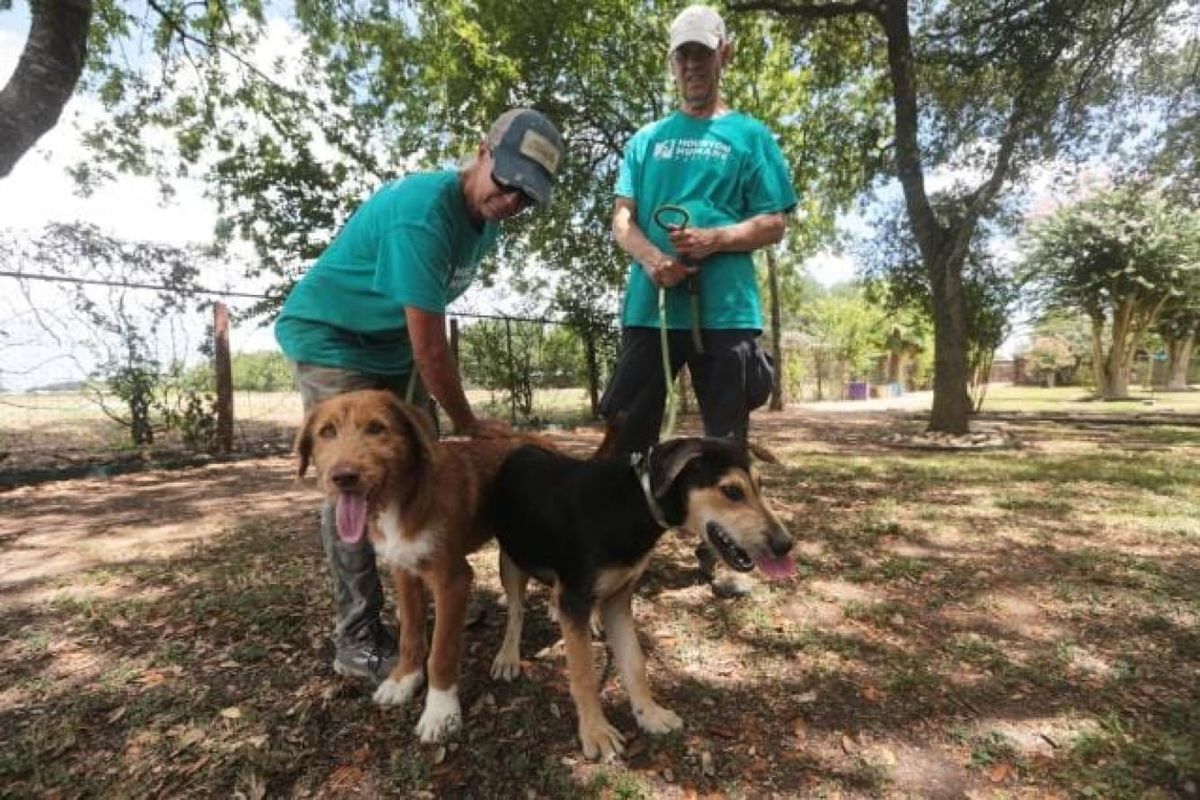
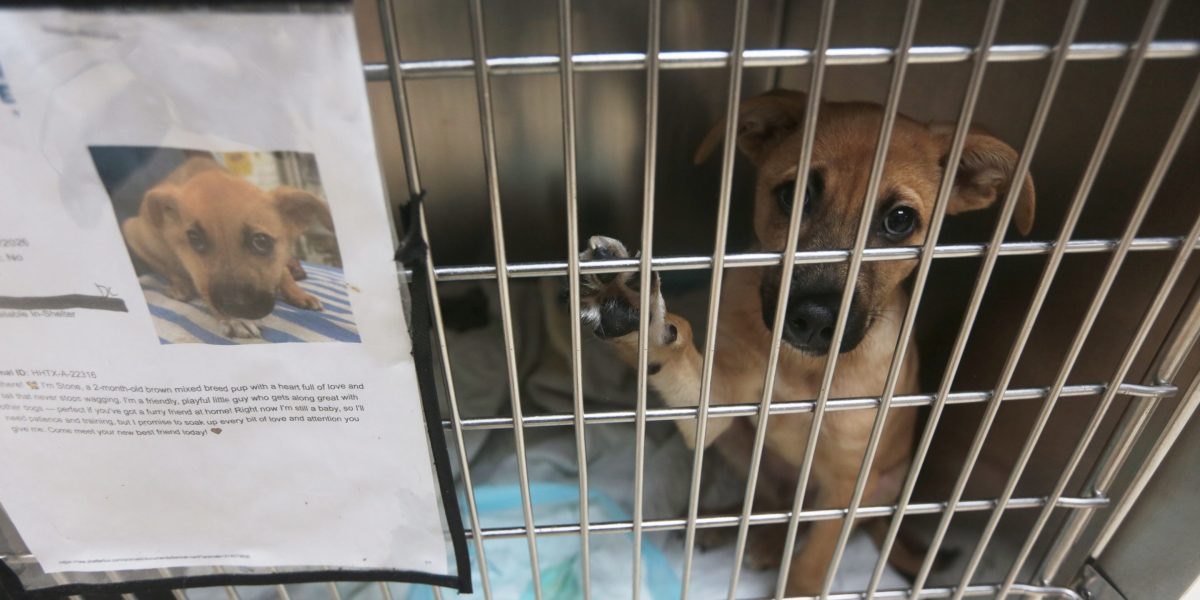
A rare New World screwworm outbreak in Texas, the first in about six decades, has triggered federal and state restrictions that halt interstate transfers of dogs and cats and push shelters toward overcrowding and potential euthanasia. The restrictions, aimed at stopping a flesh-eating parasite that can also threaten cattle, have disrupted transfer networks that Texas shelters rely on to manage surges in intake, with facilities like the Gulf Coast Humane Society seeing animal populations swell as a result. About 44 states have restricted pet movements from infested areas, prompting shelters to screen animals for screwworm before interstate travel and causing some new admissions to remain in local facilities for longer periods. Shelter workers warn the crisis jeopardizes adoption prospects and increases stress on animals, potentially delaying or preventing rehoming. The situation mirrors broader concerns for the beef industry and farm animals due to border controls and the need to balance livestock protection with animal welfare in rescue operations. Houston and other Texas shelters report a sharp rise in numbers, with some facilities noting intake jumps from hundreds to near five hundred as adoptions stall.
Where do you stand?