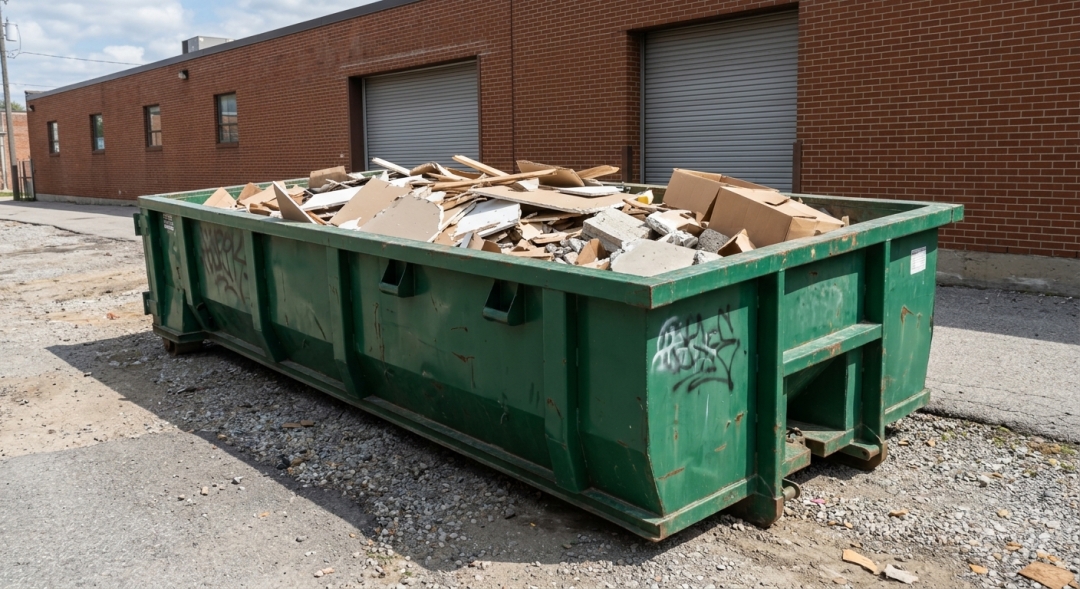
Municipal Waste Rules Prohibit Hazardous Items in Standard Dumpsters
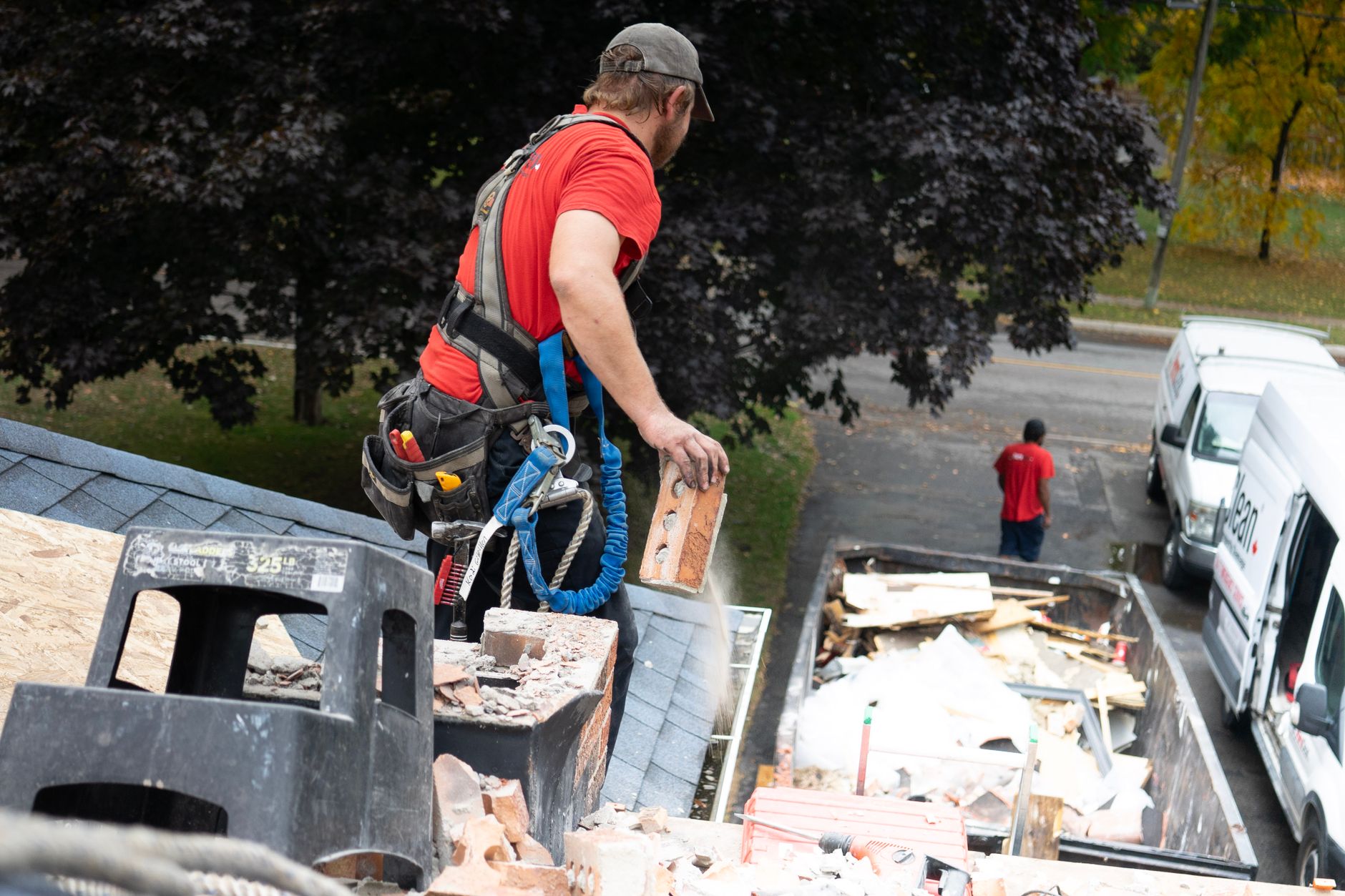
Homeowners, contractors, and developers should plan dumpster use by understanding local disposal rules, weight limits, and what items require special handling to avoid fines and service refusals. Proper dumpster size selection is crucial, as volume, waste type, project length, and site constraints influence efficiency, with mid-sized containers often fitting typical residential jobs while larger units suit bigger cleanouts or remodeling. Pricing clarity and upfront rates help budgeting, especially when including delivery, pickup, weight allowances, and potential overage or extra-day fees, with some providers publishing flat rates to reduce hidden costs. For renovations and tenant improvements on active worksites, integrating a dedicated waste solution minimizes site hazards, keeps hallways clear, and reduces project delays by preventing last-minute hauls. Weight and disposal fees are major cost drivers; accurately estimating debris density and separating lighter from denser materials can prevent surprises and keep projects within budget and safety guidelines. Across residential, commercial, and construction contexts, a proactive approach to waste planning—covering guidance on prohibited items, container sizing, and cost drivers—helps projects run smoothly from start to finish.