Iran war forces families to choose groceries over gas

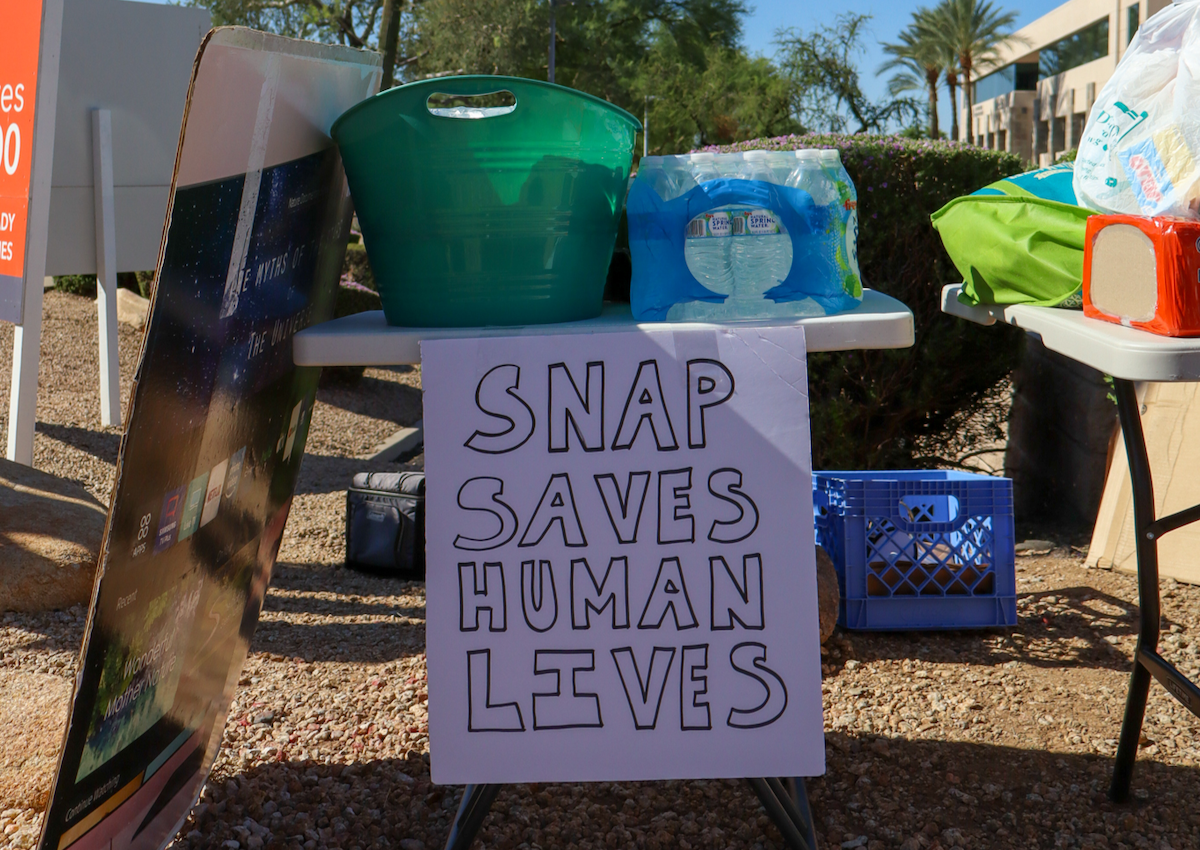
The Iran war has ripple effects around the world, intensifying fuel costs that are squeezing families and altering education in Cambodia while also shaping domestic policy in the United States. In Cambodia’s Tonle Sap region, rising gasoline prices are making school transportation unaffordable for the poorest families, forcing students like Sou Sreynich to miss days or delay schooling as boats and fuel become more expensive. UNICEF warns that as many as 23.4 million more children could fall into poverty this year, with most affected in Africa and Asia, underscoring the broader risk to education and well-being amid climate and fuel-price pressures. Back home, Arizona food banks say SNAP cuts under the OBBBA have left many families worse off, with higher gas costs intensifying the need and local networks stepping in to distribute more food and meals. The unfolding crisis illustrates how geopolitics and energy markets can translate into measurable hardships for students and families across continents.
Where do you stand?