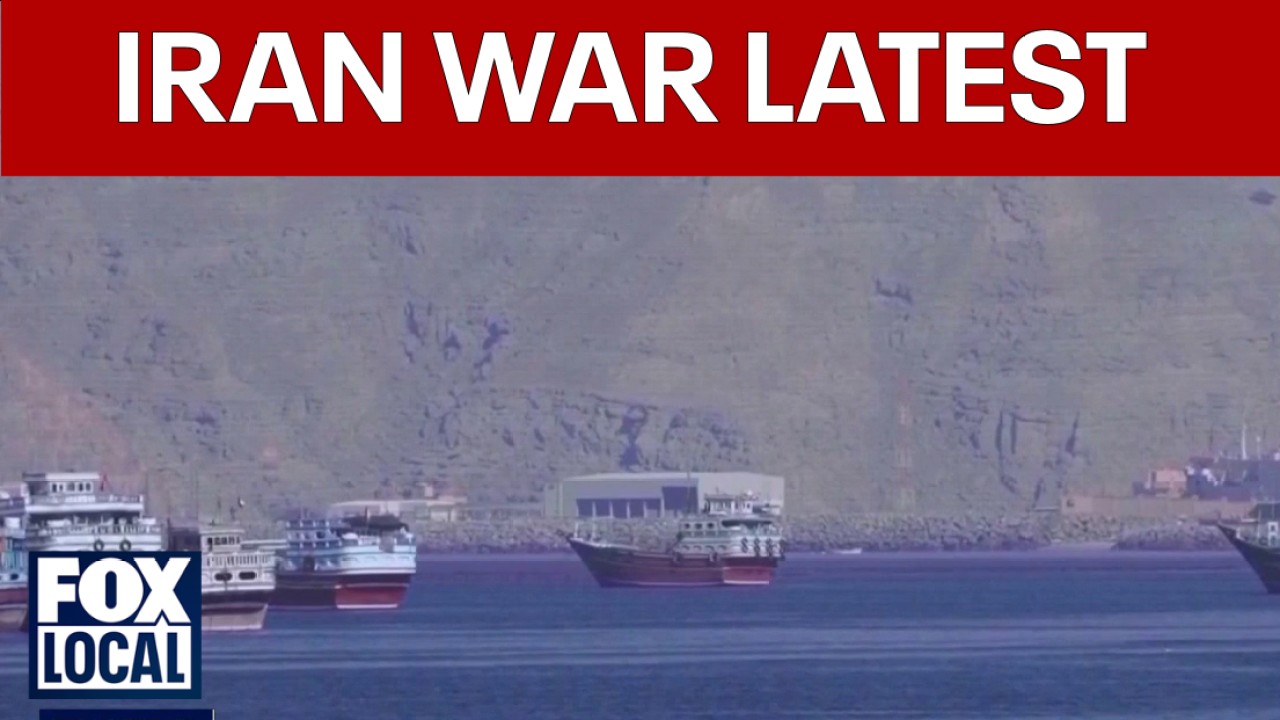
Iran Pushes to Keep Hormuz Closed During Talks

Iran has signaled that the Strait of Hormuz will remain closed or partially closed until the United States meets a broad set of demands, including ending its threats and wars in the region, lifting the naval blockade and sanctions, releasing frozen assets, and compensating Iran for war damages. Tehran has been negotiating with Oman on a temporary arrangement to allow passage, but officials say this would not equate to a full reopening and that any reopening depends on U.S. behavior and other conditions. Iran’s demands have been echoed across several reports, with IRGC officials stating the reopening is contingent on Washington accepting Iran’s terms rather than solely on Iran-Oman talks. The regional dynamic has been further strained by developments such as the UAE reporting a missile attack on one of its vessels, Yemen’s military activity against Houthi positions, and Turkiye advancing a Kurdish peace bill. Washington has not publicly conceded to Iran’s broader conditions, while diplomats say a 60-day window for finalizing a broader deal remains in play. The convergence of security tensions, economic sanctions, and mediating talks with Oman keeps the Strait of Hormuz as a critical and volatile flashpoint for global energy flows.