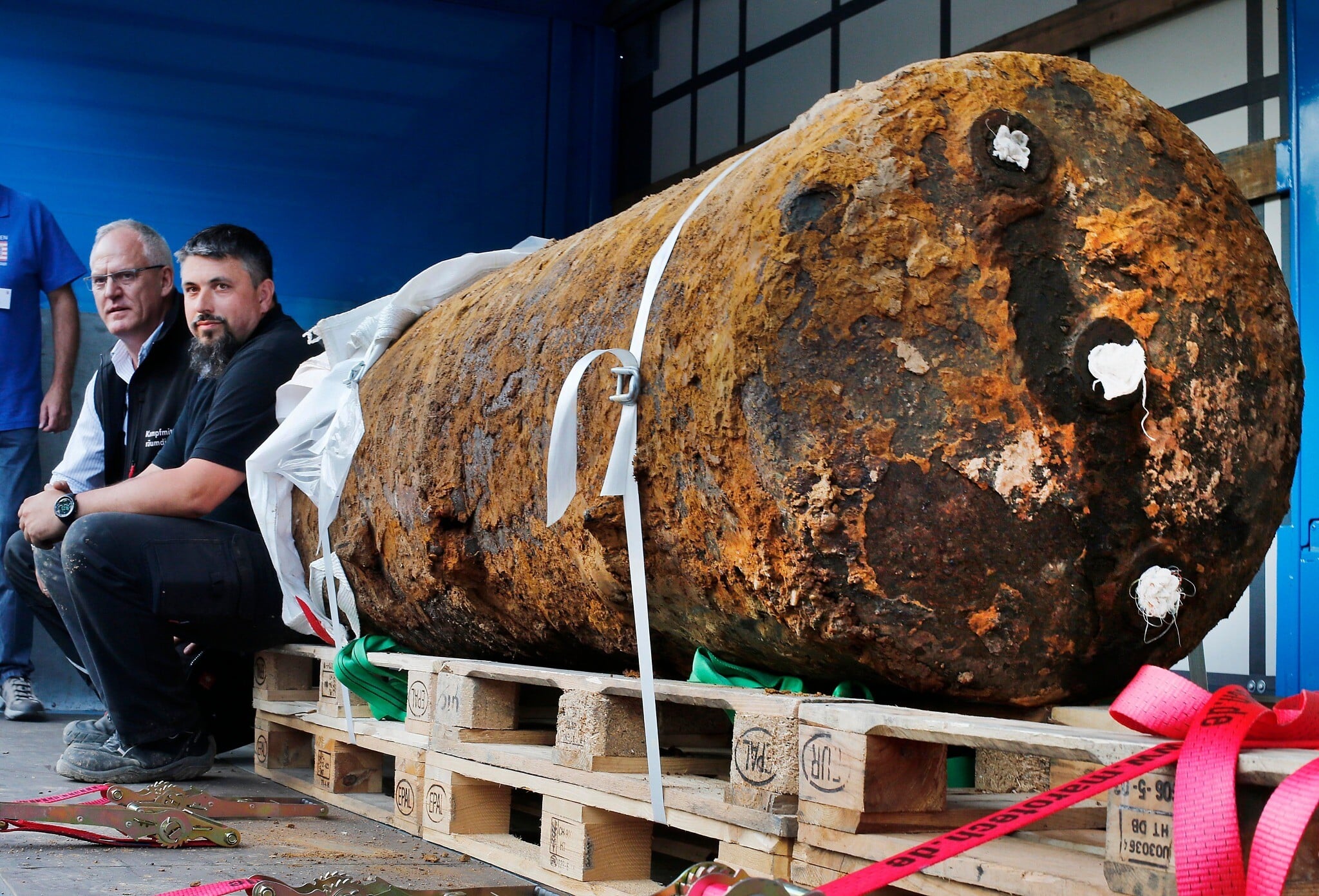
Europe Wildfires Expose Buried WWI, WWII Munitions

European wildfires this summer have uncovered a dangerous legacy of World War I and II-era bombs and mines buried in forests, posing fresh hazards to firefighters and responders as blasts have already occurred in France, Belgium, Germany and the Netherlands. Scientists and officials say climate-change-fueled heat, drought and erratic weather are unearthing and reactivating dormant munitions that had remained buried, turning fires into dangerous scavenger hunts for unexploded ordnance. The fires have torn through historic battlefields, with authorities in Belgium reporting sporadic detonations and bomb-disposal teams being dispatched to affected areas near former combat sites. The unusual risk is compounded by a January spurt of rainfall that fueled vegetation, creating tinder that intensified when heat returned, according to a World Weather Attribution study cited by experts. Local leaders, including Gov. Hervé Jamar in Liege, say crews must adapt to the munition hazard while continuing to fight the fires, highlighting a deadly intersection of climate change and war remnants that persists long after the guns fell silent. The developing pattern underscores the broader threat climate change poses to Europe’s landscape and public safety as responders navigate both active fires and buried remnants.
Where do you stand?