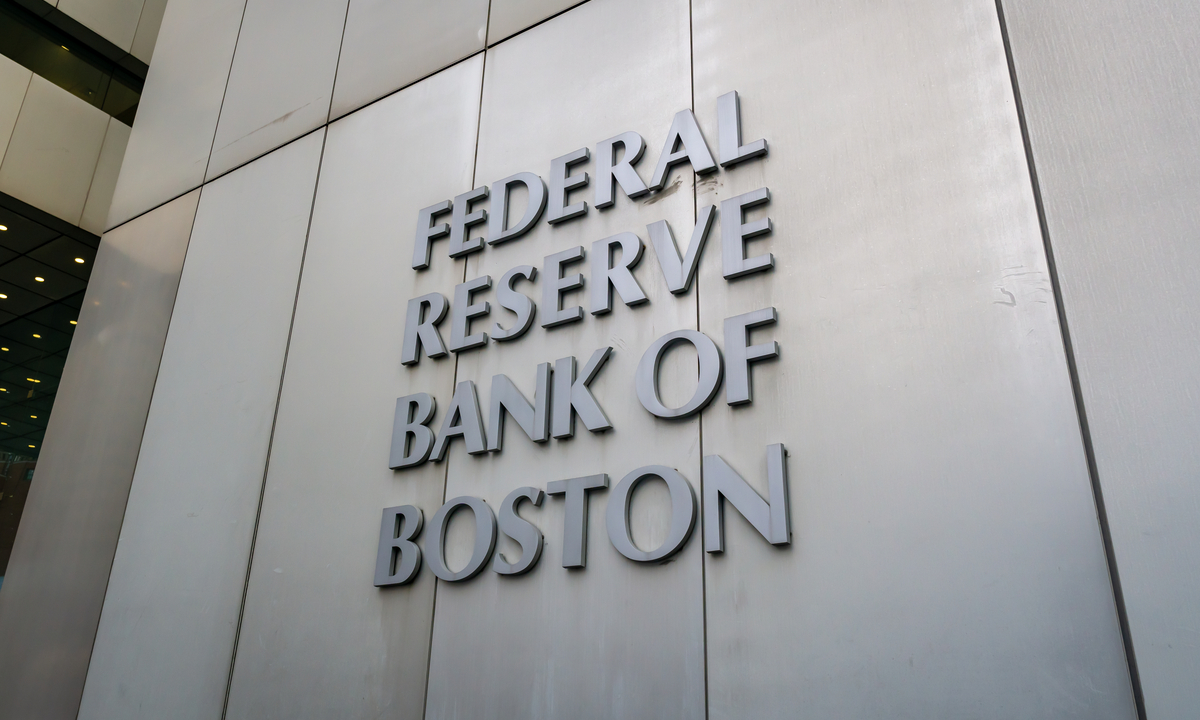
Boston Fed finds productivity offsets 2025 tariff inflation
A Federal Reserve Bank of Boston study finds that tariffs introduced during President Donald Trump’s 2025 term did not fully drive inflation because productivity gains offset much of the higher costs. The research shows sectors most affected by tariffs also posted strong productivity growth, with hours worked falling and output kept steady, contributing to a net 0.5 percentage point rise in core PCE inflation rather than a full pass-through. While tariffs rose from about 2.5% to 10%, the accompanying productivity boosts and efficiency improvements helped keep inflation closer to 2% instead of the 3% level observed, though other factors may still be at play. Some analyses, including a New York Fed survey, indicate tariffs were passed through more quickly in some cases, suggesting the inflation story is not uniform across industries. The Boston Fed papers emphasize that productivity gains and wage dynamics also influence how much tariffs can push prices, complicating the view that trade policy alone explains ongoing inflation. Overall, the research argues tariffs are not the sole driver of inflation and points to broader structural factors behind price movements, with debate continuing about the precise contributions of policy actions vs. other forces.
Where do you stand?