Archaeologists Uncover 1,400-Year-Old Skeleton at Lima Pucllana Ritual Site
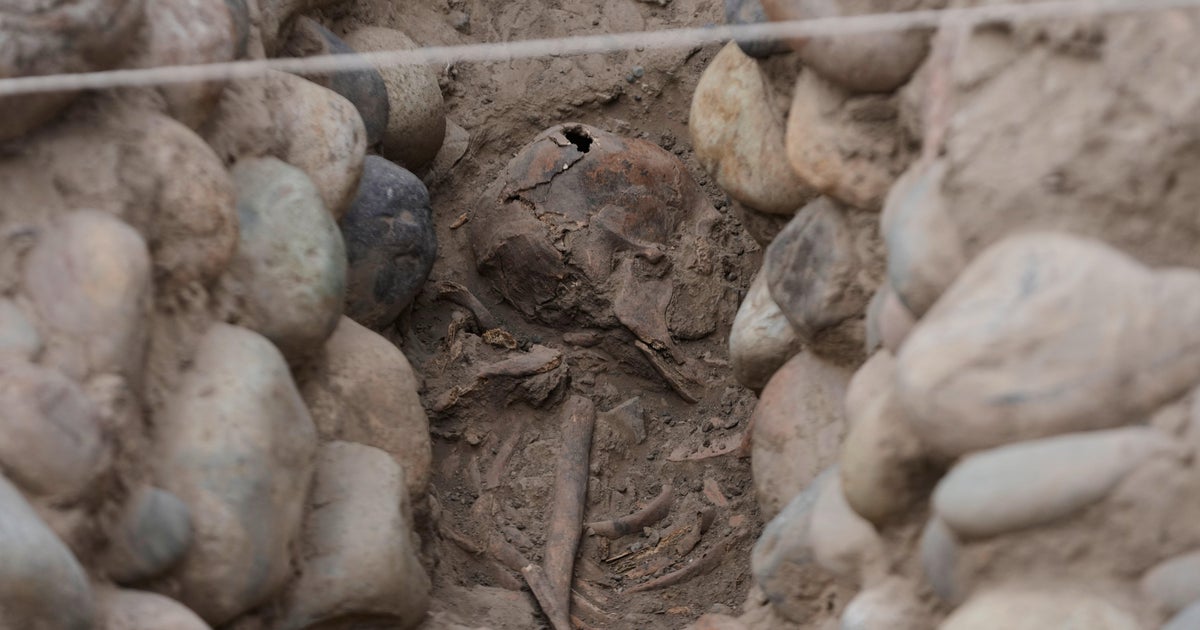
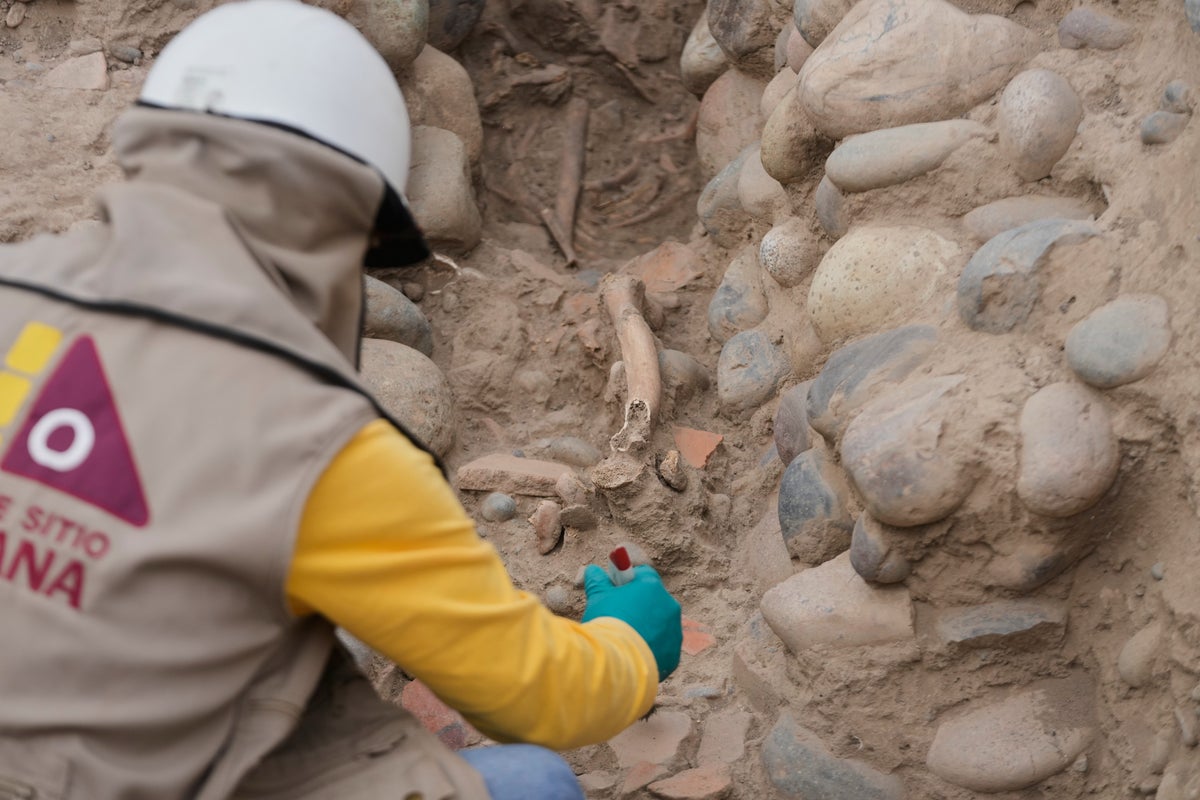
Archaeologists in Lima have unveiled the skeletal remains of an adult buried near the base of the Huaca Pucllana pyramid, believed to be a ritual offering during the closure of a canal connected to a ceremonial pool. The remains were placed on the left side with the skull facing the pyramid and the Pacific Ocean, suggesting a deliberate orientation tied to the site’s sacred function. The find is dated to roughly 650 AD, placing it within the Lima culture’s suppression more than a thousand years before the Inca Empire. The Lima civilization, which thrived along Peru’s central coast from the 1st to the 7th century, built Huaca Pucllana as a major ceremonial and administrative center now surrounded by modern Lima. Archaeologists, led by Gladys Paz, say the discovery helps deepen understanding of Lima culture rituals, with representatives noting similar burial practices have been observed in coastwide contexts and during other excavations. The site remains open to visitors in the Miraflores and San Isidro districts, underscoring its enduring status as a key archaeological landmark in Peru.
Where do you stand?