4,000-Year-Old Portable Austronesian Art Found on Wetar
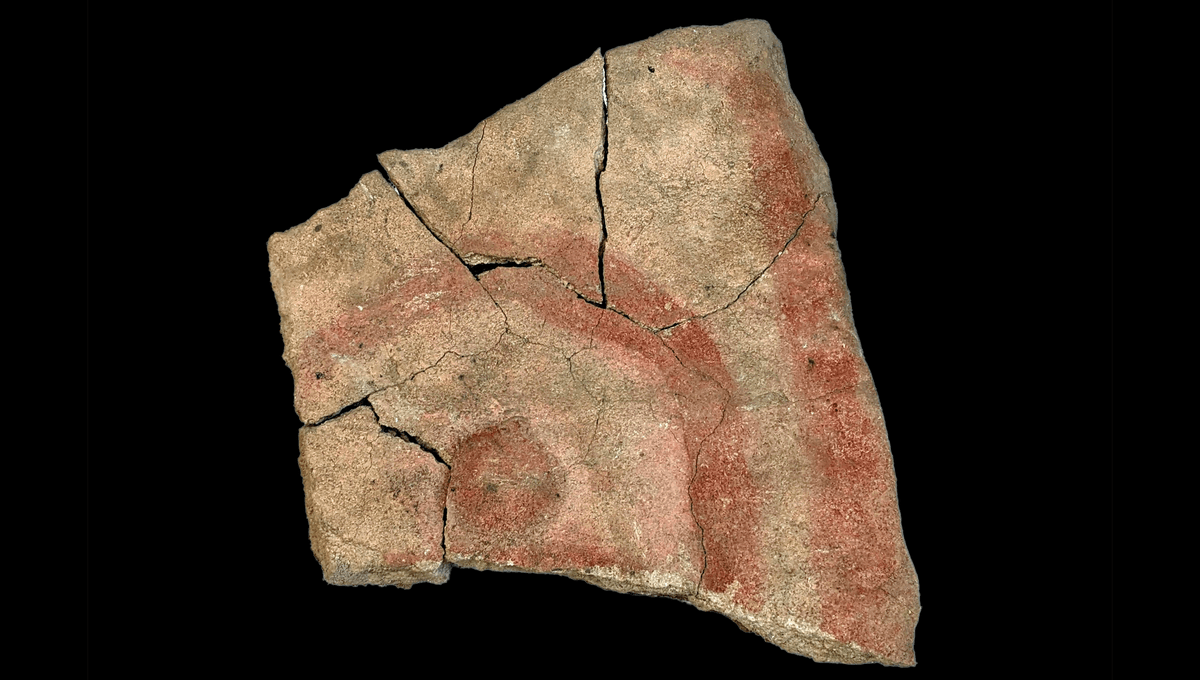
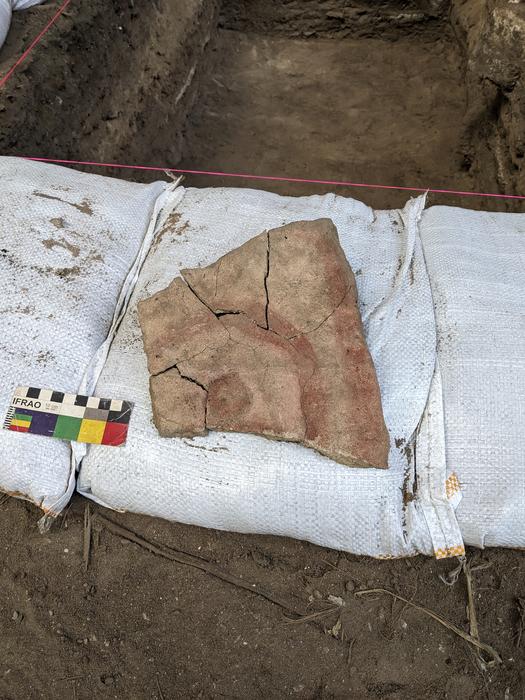
A team led by archaeologists from The Australian National University and Indonesia’s BRIN has unearthed a 4,000-year-old painted stone plaque on Wetar Island, marking the first portable example of the Austronesian Painting Tradition and providing a securely dated context for this widespread motif. The red concentric-circle and sun-ray design found on the small object shows that APT, previously known mainly from cave and rock-shelter art, traveled on portable items and likely accompanied Austronesian-speaking people during their rapid dispersal across Island Southeast Asia and the Western Pacific. Radiocarbon dating places the plaque around 4,090 to 3,900 years ago, offering a rare dated instance that helps illuminate the chronology of APT and its appearance before other Neolithic markers like pottery at Wetar. Researchers say the portability of the art implies symbols of protection and group identity could move between island communities, shedding light on cultural exchange during one of humanity’s great maritime migrations. The findings support a view of the Austronesian expansion as driven not only by technology and resources but also by shared beliefs and ideological forces, underscoring art’s central role in this history. The discovery has been reported across science outlets and is published in the Proceedings of the National Academy of Sciences, reinforcing its significance in understanding early seafaring and cultural connectivity.
Where do you stand?